The Night Life
1930
No user ratings available yet
Representation score: 1.1 out of 10
Representation Score
Minimal
1933
NRDirector
James Parrott
Runtime
20 minutes
Average Rating
No ratings yetNew Showbiz Analysis
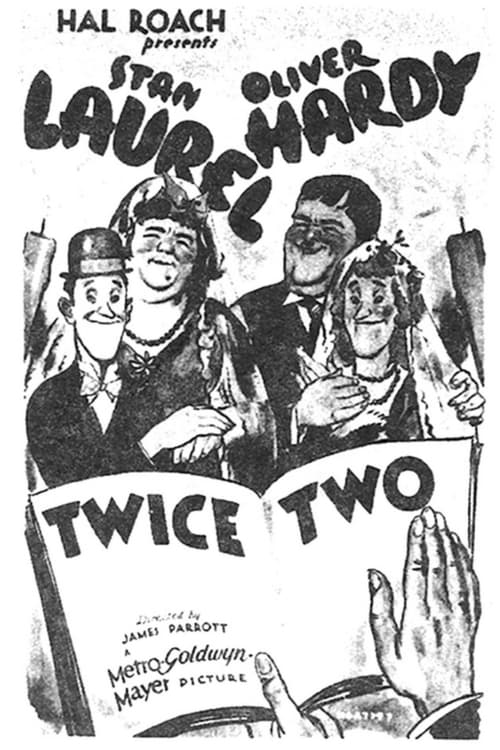
Twice Two is a product of the early 1930s slapstick era, prioritizing comedic timing and social harmony over complex representation. The narrative hinges on the setup of a double-wedding scenario to drive the plot. The film operates within a highly traditional framework that upholds established social norms. It emphasizes maintaining a conventional domestic life without challenging social hierarchies. Overall, the work lacks depth in reflecting multiple aspects of identity. It serves as a classic example of mainstream entertainment centered on the stability of the nuclear family unit.
Category Breakdown
The film follows early 20th-century standards where everyone is assumed to be straight. The plot revolves around a double wedding between male characters and their sisters, emphasizing traditional romantic relationships.
Gender roles are very traditional. Men are the main drivers of the comedy, while women play important roles in the domestic setting but have limited influence over events.
The cast seems to consist mainly of people with similar backgrounds, typical of the Anglo-centric urban settings of 1930s comedies. There is no indication of racial diversity or non-white casting.
The story promotes traditional Western values, focusing on the importance of marriage and the family unit. It avoids any anti-institutional or secular themes.
There is no specific evidence that disability is a central plot point or subject of ridicule. The film focuses on the humorous aspects of everyday life at home.
Present on Screen
Limited or Absent
Official Synopsis
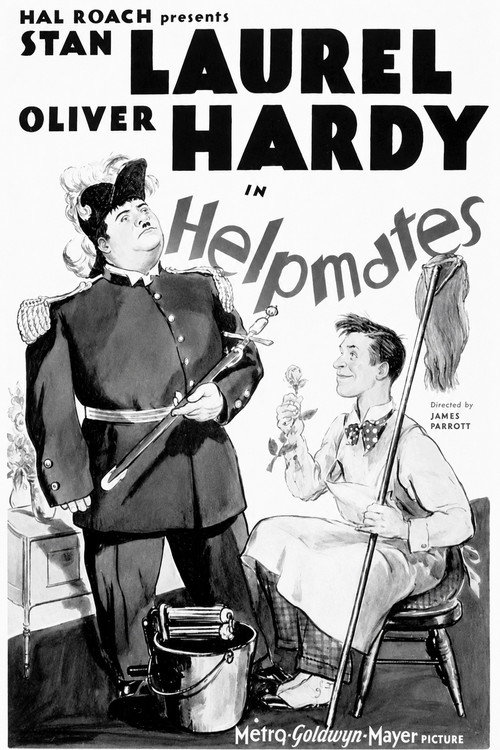
A year prior to the first scene, Stan married Ollie's sister, and Ollie married Stan's sister in a double wedding. They all live together and Stan and Ollie work in the same office.
1930

1936
1935
1933
1933
1932

1931
1935
No reviews yet. Be the first to share your thoughts on this movie!
Use the rating form above to leave a star rating and optional review.