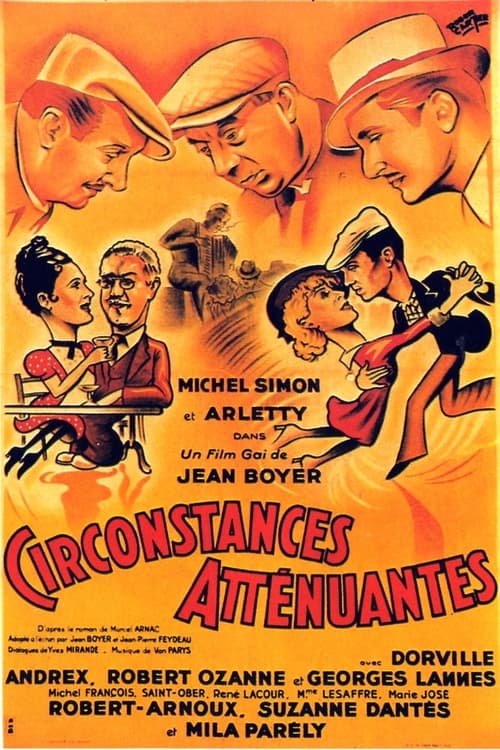
Extenuating Circumstances
1939
No user ratings available yet
Diversity score: 3.0 out of 10
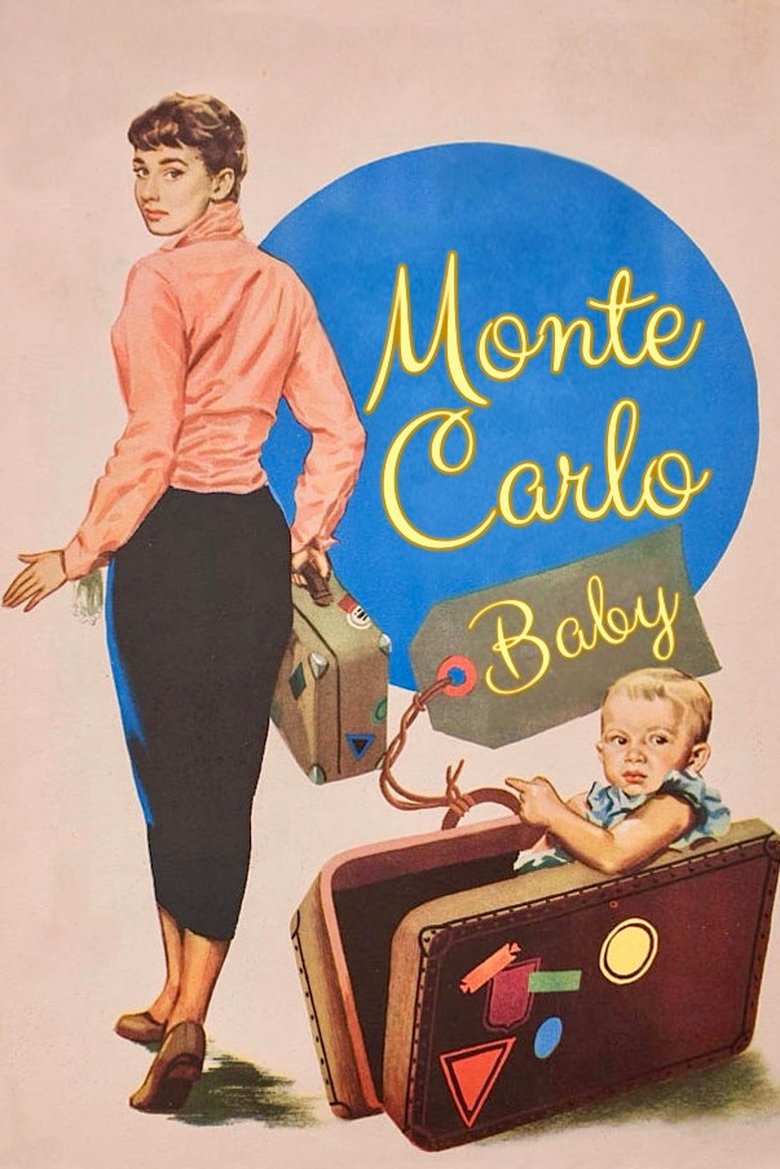
1951
Director
Jean Boyer
Runtime
101 minutes
Average Rating
No ratings yetSynopsis
When a measles epidemic forces the temporary closing of a child care center, the son of a film star and her estranged husband, a concert pianist, is mistakenly delivered to a touring musician.
Overall Score
Minimal
Category Breakdown
LGBTQ+ Representation
The film follows a conventional romantic trajectory typical of 1950s comedy. It lacks non-cisnormative gender identities or narratives that challenge heteronormative structures.
Gender Representation
Gender dynamics are defined by traditional social roles. While featuring a film star and a pianist, the character arcs do not disrupt established masculine or feminine archetypes.
Racial & Ethnic Diversity
The setting depicts a largely homogeneous social environment. There is no significant evidence of characters of color driving the narrative within this glamorous Monte Carlo backdrop.
Religious & Cultural Diversity
This escapist comedy prioritizes aspirational glamour over social commentary. It adheres to the standard social mores of its era without engaging in anti-Western or secularist narratives.
Disability Representation
No visible or invisible disabilities are integrated into the character arcs. The narrative does not utilize disability as a central theme or plot device.
Strengths
Areas for Improvement
AI Analysis
Monte Carlo Baby is a product of its historical context, functioning as a traditional situational comedy. The plot relies on mistaken identity and class-based misunderstandings rather than the disruption of systemic power dynamics. The film reinforces the established cultural norms of 1950s European cinema. It lacks the intentionality required to challenge traditional social, racial, or gendered hierarchies, focusing instead on lighthearted escapism. Ultimately, the work serves as a period-specific entertainment piece that maintains the status quo of its era.
1939
1942
1958
1944
1942

1944

1946
1929

1940
1945
1935
1938
No reviews yet. Be the first to share your thoughts on this movie!
Use the rating form above to leave a star rating and optional review.