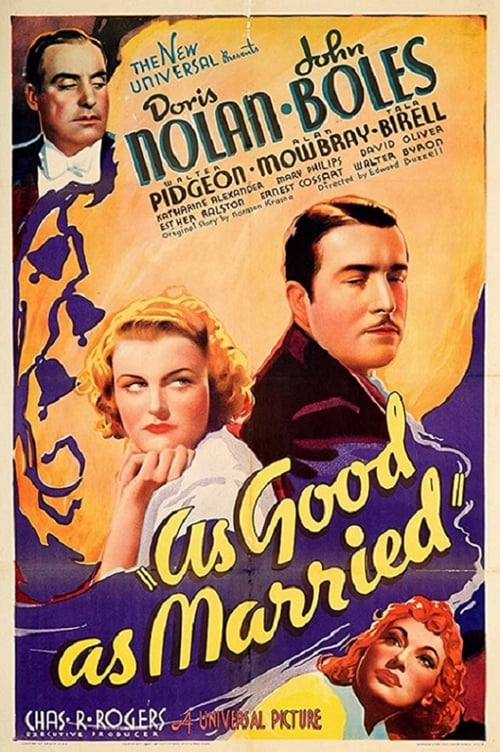
As Good as Married
1937
No user ratings available yet
Diversity score: 1.4 out of 10

1944
NRDirector
Sam Wood
Runtime
94 minutes
Average Rating
No ratings yetSynopsis
Cass Brown is about to marry for the second time. His first marriage, to Isabel, was annulled. But when he discovers that Isabel has just had their baby, Cass kidnaps the infant to keep her from being adopted. Isabel's parents hunt for the child and discover that Cass and Isabel are still hopelessly in love.
Overall Score
Minimal
Category Breakdown
LGBTQ+ Representation
The film adheres strictly to heteronormative structures. There is no presence of non-cisnormative gender identities or same-sex intimacy.
Gender Representation
The narrative follows traditional 1940s hierarchies. While the female lead is active, the plot is driven primarily by the male protagonist's decisions.
Racial & Ethnic Diversity
The cast is homogeneous, reflecting the era's standard demographic norms. There is no significant evidence of racial blending or non-white agency.
Religious & Cultural Diversity
The story reinforces Western social institutions and the sanctity of the nuclear family. It validates traditional domestic stability through its resolution.
Disability Representation
Characters are presented as able-bodied and neurotypical archetypes. No visible or invisible disabilities are integrated into the character arcs.
Strengths
Areas for Improvement
AI Analysis
Casanova Brown is a quintessential example of mid-century studio cinema. It prioritizes conventional narrative structures and mainstream social norms over any form of systemic subversion. The film reinforces traditional views on family, gender roles, and social stability. It functions as a reinforcement of the status quo rather than a critique of it. Demographic variety is absent, reflecting the systemic production constraints of 1944. The work lacks intersectional complexity, focusing instead on a homogeneous, traditionalist worldview.
1937
1951

1948
1946

1946
1942
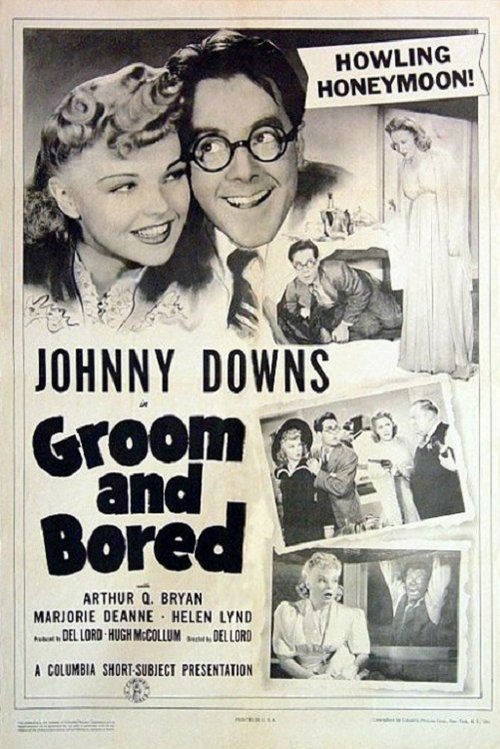
1942
1942
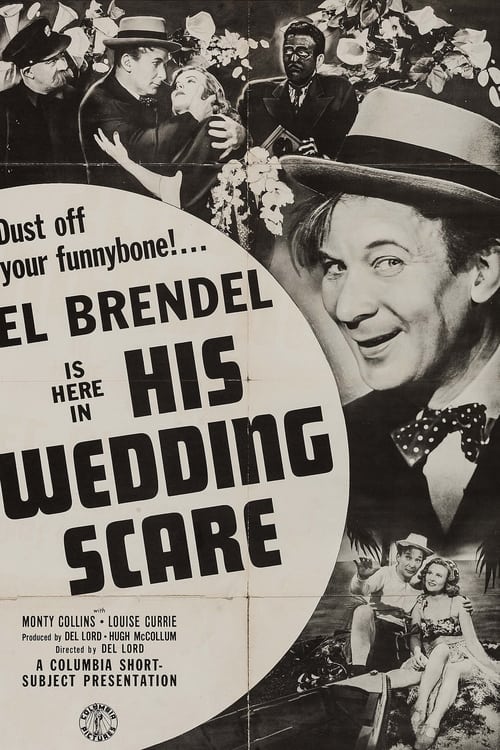
1943
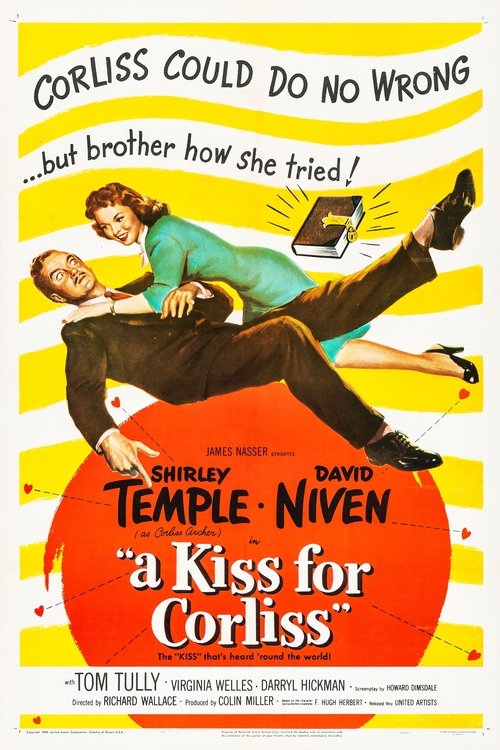
1949
1948

1940
No reviews yet. Be the first to share your thoughts on this movie!
Use the rating form above to leave a star rating and optional review.