A Blunderful Time
1950
No user ratings available yet
Representation score: 1.4 out of 10
Representation Score
Minimal
1957
Director
Jules White
Runtime
16 minutes
Average Rating
No ratings yetNew Showbiz Analysis
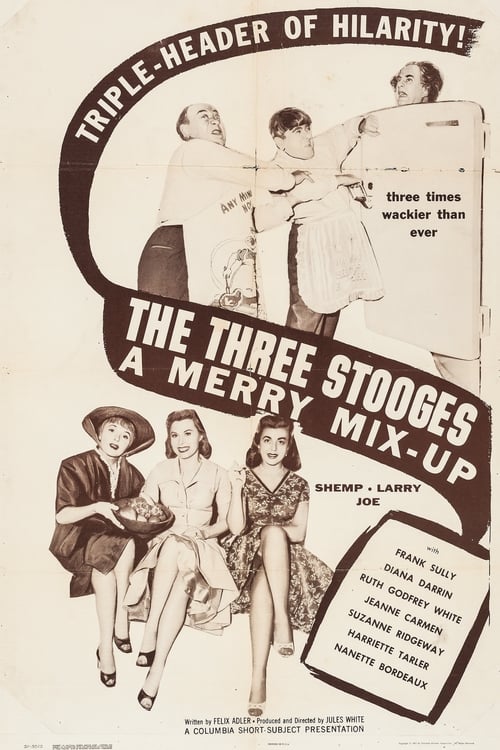
A Merry Mix-Up is a product of its era, utilizing classic farce and mistaken identity clichés to drive its comedy. The narrative structure prioritizes slapstick and situational confusion over any meaningful social commentary or layered storytelling. The film reinforces mid-century social hierarchies, particularly regarding gender and domesticity. It functions as a traditional comedic piece that seeks to restore social order rather than challenge existing norms. Ultimately, the work lacks the intentionality required to provide nuanced representation, instead adhering to the conservative, homogeneous standards of 1950s American media.
Category Breakdown
The film operates within an assumption that everyone is straight or cisgender. It focuses on wives and sweethearts, offering no visibility for LGBTQ+ identities.
Women function primarily as reactive elements to the male-driven slapstick. The narrative centers on the chaos caused to them rather than providing independent roles for women.
The production reflects the homogeneous demographic standards of 1950s mainstream media. There is no evidence of diverse casting or non-white characters with significant roles.
The story reinforces mid-century Western social structures and the nuclear family. It concludes by restoring traditional social order and domestic stability.
The provided material contains no information regarding the portrayal of physical or neurodivergent disabilities.
Present on Screen
Limited or Absent
Official Synopsis
The stooges appear in triplicate as three sets of triplets who were separated a long time ago. Their reunion causes confusion and troubles for various wives and sweethearts, but it all works out in the end.
1950

1957
1953
1952
1951
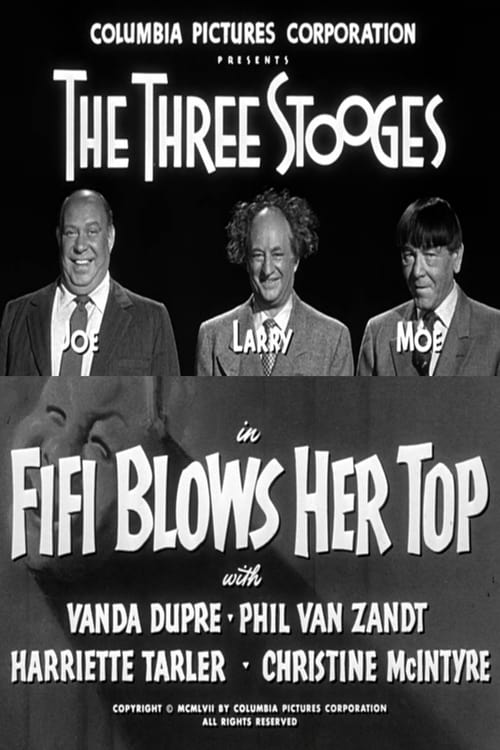
1958
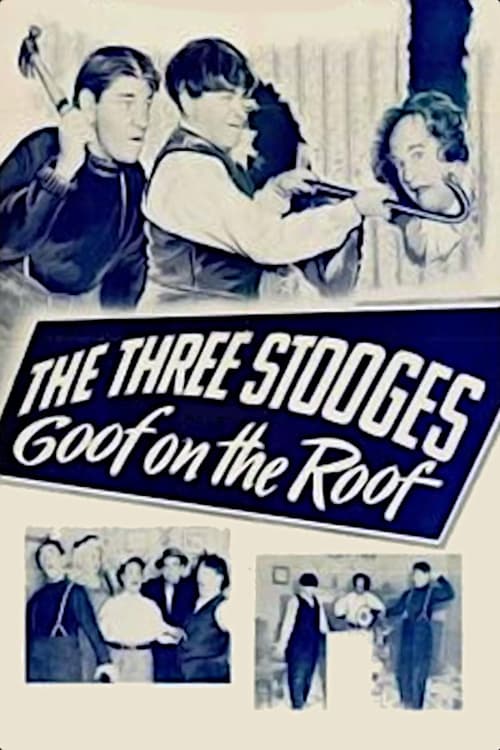
1953
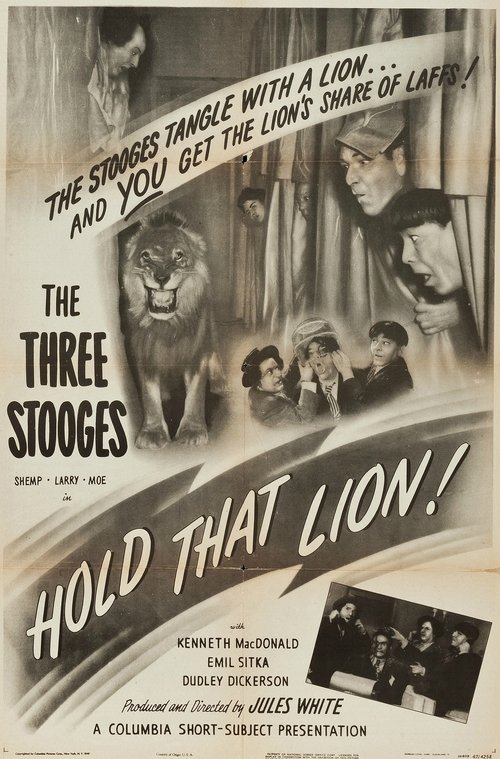
1947
No reviews yet. Be the first to share your thoughts on this movie!
Use the rating form above to leave a star rating and optional review.