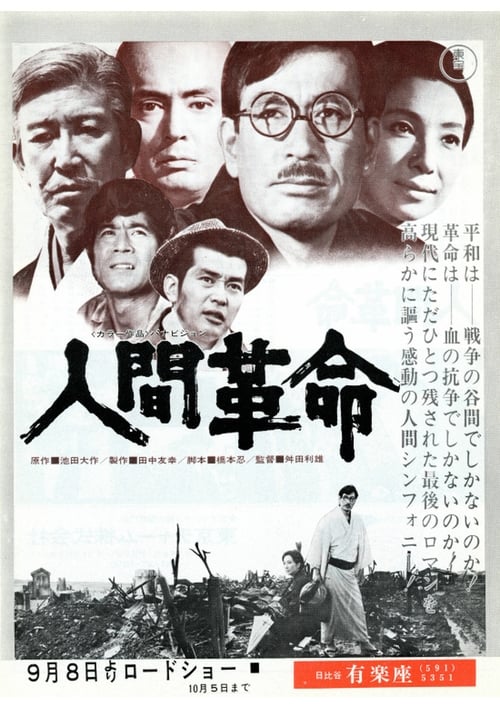
The Human Revolution
1973
No user ratings available yet
Representation score: 1.7 out of 10

Representation Score
Fair
1937
Director
Sadao Yamanaka
Runtime
86 minutes
Average Rating
No ratings yetNew Showbiz Analysis
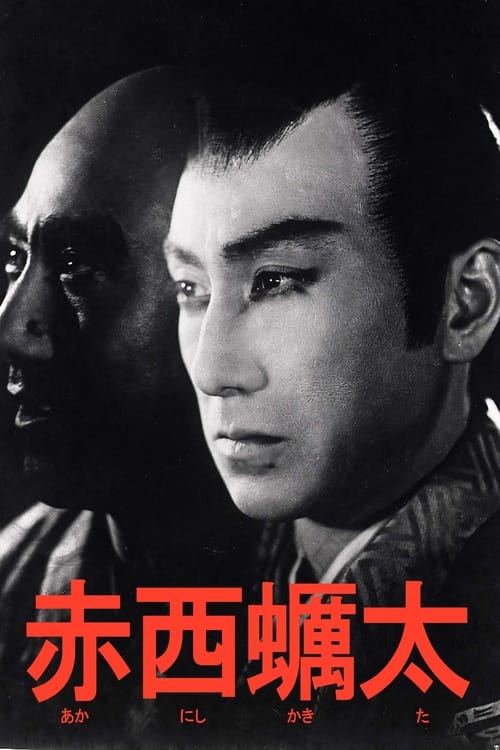
Sadao Yamanaka’s work challenges the idealized heroism typical of traditional period dramas. By focusing on the shomin-geki genre, the film offers a realistic portrayal of the disenfranchised rather than the elite. The film succeeds in broadening the social spectrum of historical Japan. It shifts the focus from aristocratic clichés to the everyday lives of those in the slums and pleasure quarters. However, the film’s status as a lost work restricts the ability to confirm contemporary identity markers. There is no evidence of LGBTQ+ representation or disability, leaving those dimensions unexplored.
Category Breakdown
The film does not provide clear examples of LGBTQ+ characters or stories. Despite the historical context suggesting complex sexuality, there are no specific narratives involving LGBTQ+ individuals.
The film challenges traditional gender roles by highlighting the lives of women in the pleasure quarters and lower socioeconomic groups. It focuses on their struggles for dignity rather than portraying them as domestic figures.
Set in Edo-period Japan, the film portrays a culturally uniform society. However, it achieves diversity by focusing on the lives of non-aristocratic populations, including those in the slums.
The film critiques social stratification through the shomin-geki genre. It emphasizes the struggles of common people rather than glorifying institutional power and rigid structures.
Due to its status as a lost work, there is no visual or narrative information available to assess the portrayal of physical or neurodivergent disabilities.
Present on Screen
Limited or Absent
Official Synopsis
In a slum in Edo Japan, a ronin hopes that his deceased father's former master will hire him while a disgraced hairdresser attempts to regain his pride by kidnapping the daughter of a wealthy pawnbroker, who is set to be married.
1973
1952

1981

1952
1953
1936

1960
1935
No reviews yet. Be the first to share your thoughts on this movie!
Use the rating form above to leave a star rating and optional review.