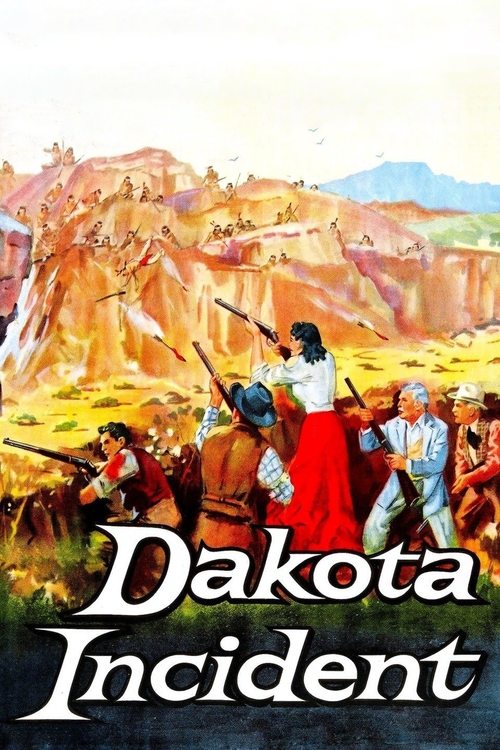
Dakota Incident
1956
No user ratings available yet
Representation score: 1.3 out of 10
Representation Score
Minimal
1958
NRDirector
Ray Nazarro
Runtime
71 minutes
Average Rating
No ratings yetNew Showbiz Analysis
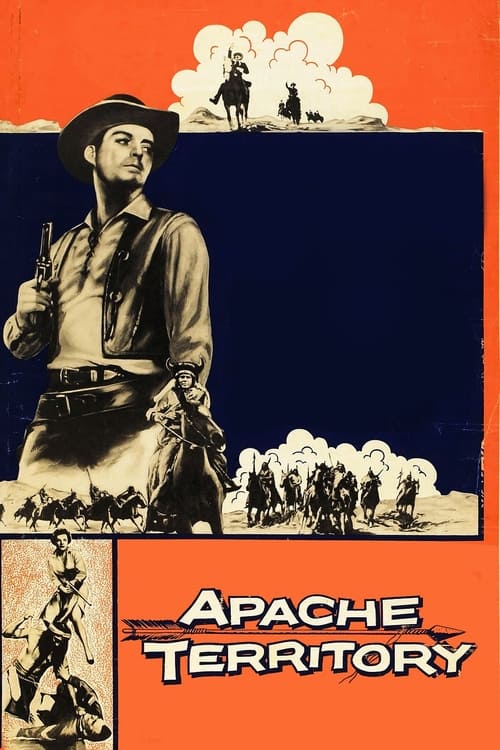
Apache Territory is a typical mid-century Western that follows the genre conventions of its time. The narrative structure emphasizes linear conflict and established social hierarchies over nuanced character development. The film reinforces traditional power dynamics, using gendered passivity and racial antagonism to drive the plot. It operates as a standard product of the 1950s studio system, focusing on the survival of settlers against an indigenous threat. Ultimately, the work does not attempt to challenge conventional expectations or provide meaningful representation for underrepresented groups, instead upholding the status quo of the period.
Category Breakdown
The film does not include any non-straight or non-cisgender identities. The story focuses entirely on a straight and cisgender rescue mission.
Male characters like Logan Cates play a significant role in driving the story, while the female character remains passive, embodying the traditional damsel in distress cliché.
The cast is mostly white, with Apache characters serving mainly as antagonists. The film does not explore the cultural nuances of indigenous populations.
The story promotes traditional frontier survival values without questioning Western institutions. It presents a straightforward moral struggle between settlers and the 'other'.
There are no visible or invisible disabilities shown. Characters are defined solely by their physical abilities needed for frontier survival.
Present on Screen
Limited or Absent
Official Synopsis
Logan Cates sets out to rescue a white woman captured by Apache Indians and prevent a war. On the way he is joined by a few civilians and a small band of soldiers at a water hole. They are ambushed and laid siege to by Apache. As their food and water supplies dwindle a storm arrives which enables Cates to put an escape plan into action.
1956
1960
1965
1954
1959
1966
1970

1953
No reviews yet. Be the first to share your thoughts on this movie!
Use the rating form above to leave a star rating and optional review.