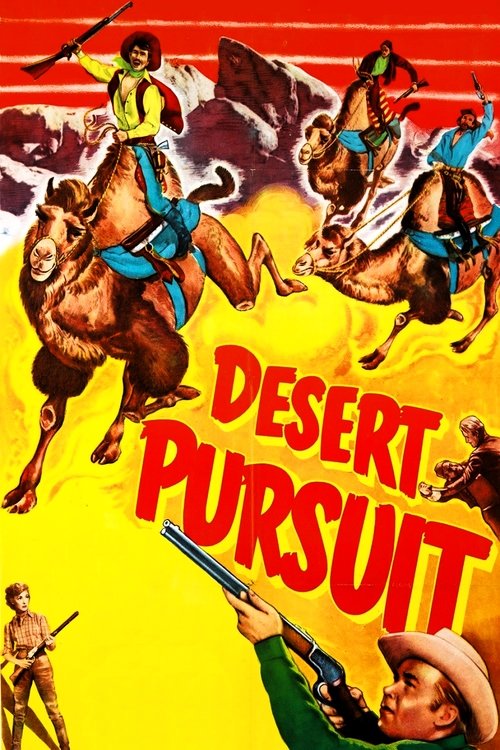
Desert Pursuit
1952
No user ratings available yet
Representation score: 0.9 out of 10
Representation Score
Minimal
1954
NRDirector
Ray Nazarro
Runtime
75 minutes
Average Rating
No ratings yetNew Showbiz Analysis
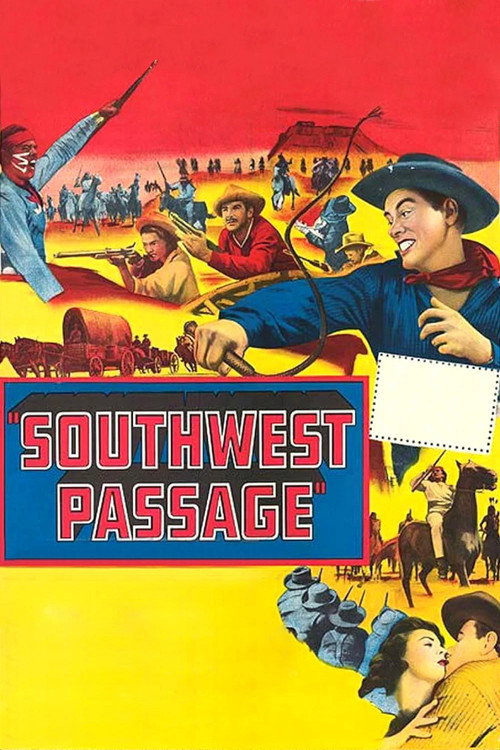
Southwest Passage is a quintessential mid-century Western that reinforces traditional social and racial hierarchies. While it includes Arab camel drivers to provide some ethnic variety, these characters lack substantial narrative roles. The film’s core logic remains rooted in promoting westward expansion and conventional gender roles. It relies on standard antagonist archetypes, particularly regarding indigenous populations, which limits its cultural depth. Ultimately, the work functions as a conservative cinematic framework of its era, prioritizing the triumph of the settler group over nuanced representation of underrepresented identities.
Category Breakdown
The film does not include any identifiable LGBTQ+ characters or those with non-traditional gender identities. It stays within a strictly traditional social framework without addressing queer themes.
Men play the primary roles, driving the plot through physical labor and defense. Women have limited roles, serving primarily as supportive figures.
The inclusion of Arab camel drivers adds ethnic variety, though they mainly serve a functional plot purpose. Apaches are depicted using conventional antagonist stereotypes.
The narrative celebrates Western expansion and the pioneer spirit, promoting traditional views of patriotism and the 'civilizing' of the frontier.
The film does not feature any characters with visible or invisible disabilities. There are no depictions of neurodivergence or chronic illness used as narrative devices.
Present on Screen
Limited or Absent
Official Synopsis
As the Cavalry tests the viability of bringing camels to US deserts, a surveyor, Arab drivers, and fugitive bank robbers confront Apaches and thirst. Originally filmed in 3-D
1952
1939
1958
1930

1957
1966
1955
1941
No reviews yet. Be the first to share your thoughts on this movie!
Use the rating form above to leave a star rating and optional review.