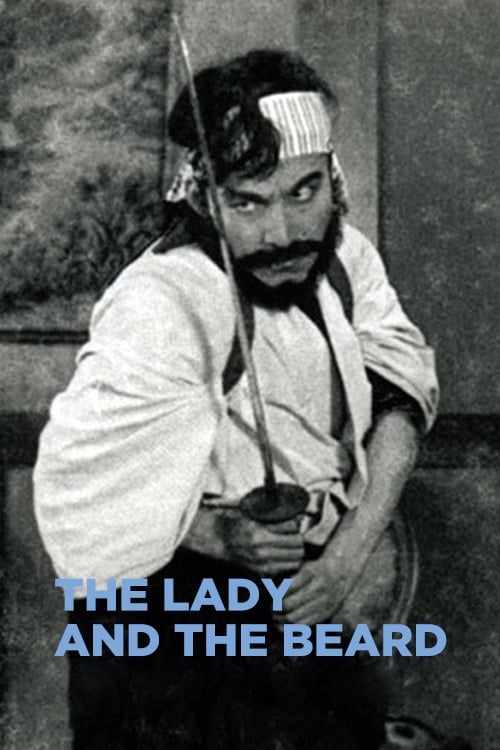
The Lady and the Beard
1931
No user ratings available yet
Diversity score: 5.0 out of 10
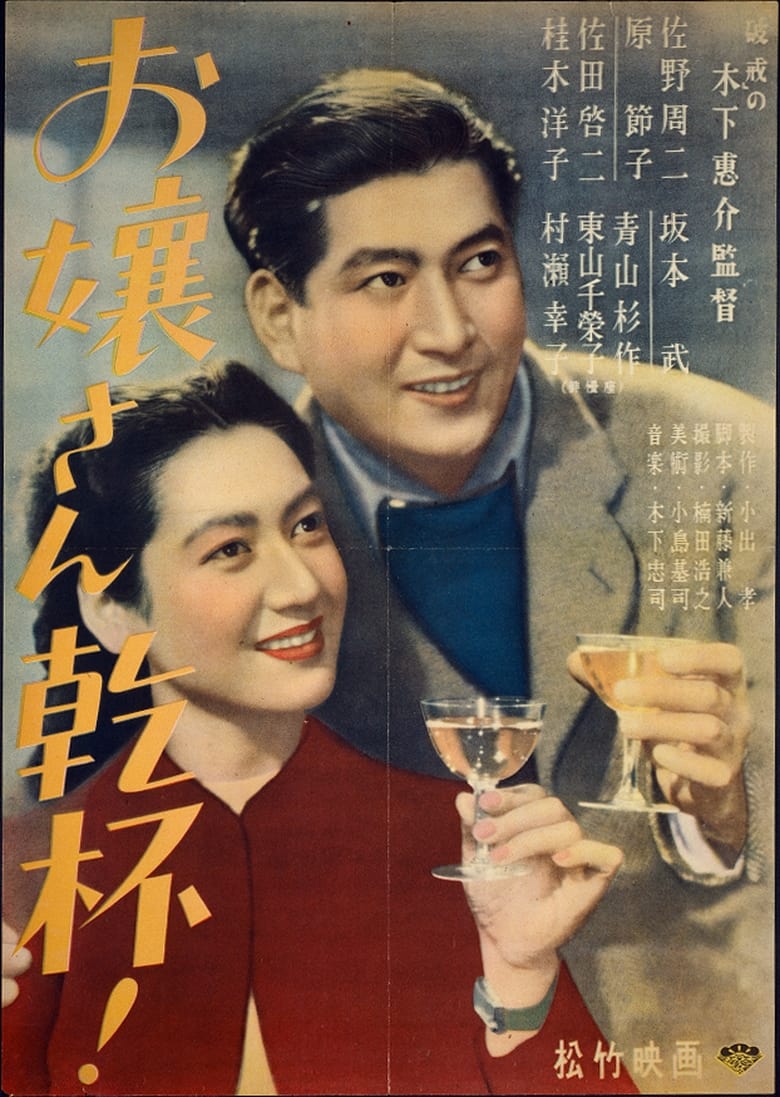
1949
Director
Keisuke Kinoshita
Runtime
90 minutes
Average Rating
No ratings yetSynopsis
A matchmaker looks to unite a young woman from a wealthy Tokyo family with the humble owner of an auto garage.
Overall Score
Fair
Category Breakdown
LGBTQ+ Representation
The film operates within conventional romantic frameworks of 1949. There is no explicit evidence of queer narratives or non-cisnormative identities present in the story.
Gender Representation
The plot centers on a wealthy young woman, making her agency a primary driver. While matchmaking can imply passivity, she may disrupt patriarchal structures through her partner choice.
Racial & Ethnic Diversity
This domestic production depicts a homogeneous social environment. It focuses on internal Japanese class distinctions rather than multi-ethnic or international casting.
Religious & Cultural Diversity
The narrative challenges rigid class structures by proposing a union between the elite and a garage owner. This disrupts traditional hierarchies by validating the humble worker.
Disability Representation
No specific details regarding characters with physical or neurodivergent traits are available in the context.
Strengths
Areas for Improvement
AI Analysis
Keisuke Kinoshita’s romantic comedy explores the friction between established social strata and personal agency. By utilizing the trope of a wealthy heiress and a humble laborer, the film examines the tension between traditional expectations and individual desire. The work functions primarily as a study of social mobility. While it lacks modern intersectional markers, it uses the romantic genre to subtly critique the perceived superiority of the upper class through its central relationship. Ultimately, the film's diversity lies in its narrative architecture regarding class, even as it remains demographically homogeneous and adheres to the era's conventional romantic norms.
1931

2012
1957

1941

1959
1953
1961

1949
1941
1946
1954
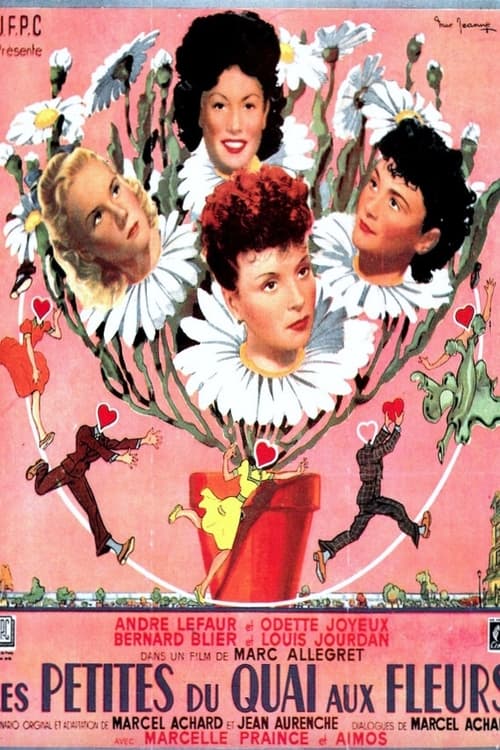
1944
No reviews yet. Be the first to share your thoughts on this movie!
Use the rating form above to leave a star rating and optional review.