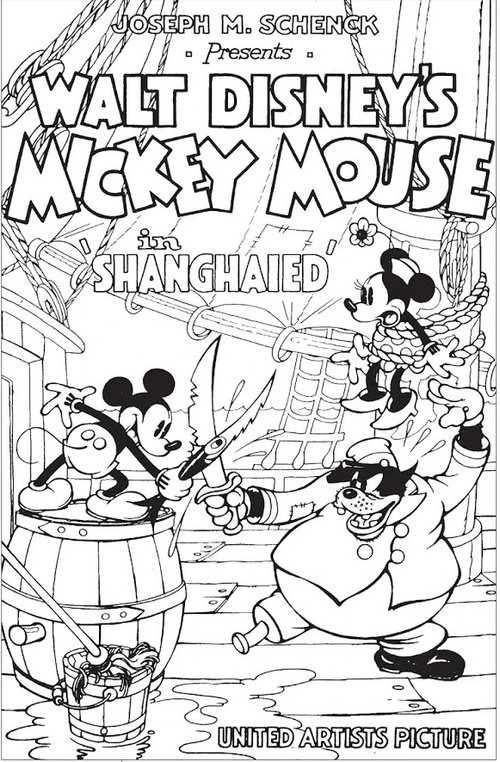
Shanghaied
1934
No user ratings available yet
Representation score: 0.4 out of 10
Representation Score
Minimal
1936
Director
Jack King
Runtime
7 minutes
Average Rating
No ratings yetNew Showbiz Analysis
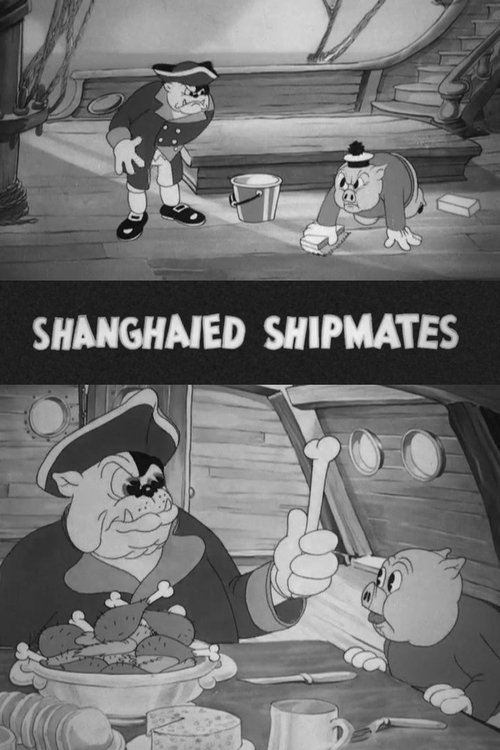
This 1936 animation relies on traditional maritime clichés and slapstick humor. The narrative revolves around a singular, abusive authority figure and a crew of sailors, reinforcing the social hierarchies of the time. The film lacks complexity in representing diverse identities, focusing solely on a male-dominated maritime setting. It functions primarily as a simple tale of mutiny and poetic justice, without attempting to deconstruct broader systemic power or social structures.
Category Breakdown
The film does not depict any non-binary or LGBTQ+ identities, sticking to the assumption that everyone is straight or cisgender. It follows the traditional social structures typical of 1930s maritime animation.
The story focuses on a male-dominated environment of sailors and a pirate captain. There are no female characters to challenge traditional male hierarchies.
The narrative does not provide specific details about the crew's racial composition. It likely reflects the homogeneous casting norms prevalent in 1936 animation.
The plot explores systemic oppression through a captain's denial of food. However, it serves as a slapstick morality tale rather than a deep cultural critique.
There is no evidence of characters with physical or neurodivergent disabilities. The focus remains on standard slapstick character archetypes.
Present on Screen
Limited or Absent
Official Synopsis
Porky and some of his fellow sailors are on shore leave in a bar. A pirate captain discovers that his own crew has jumped ship and forces everyone in the bar to become his crew. The captain treats the crew badly, particularly denying them food (eating the meat off bones, then passing them only the bones). The crew mutinies after a week; the captain tries to fend them off with a cannon, but ends up sending himself into the explosives stores.
1934
1945
1938
1935
1936
1938
1939
1942
No reviews yet. Be the first to share your thoughts on this movie!
Use the rating form above to leave a star rating and optional review.