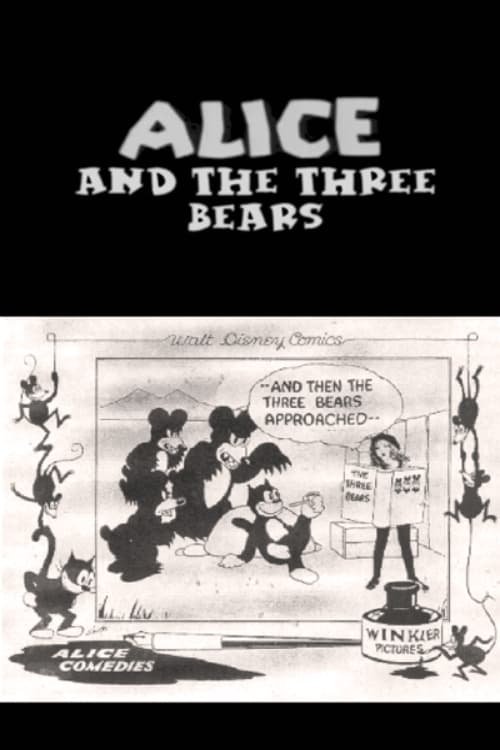
Alice and the Three Bears
1924
No user ratings available yet
Representation score: 1.8 out of 10
Representation Score
Minimal
1927
Not RatedDirector
Walt Disney
Runtime
6 minutes
Average Rating
No ratings yetNew Showbiz Analysis
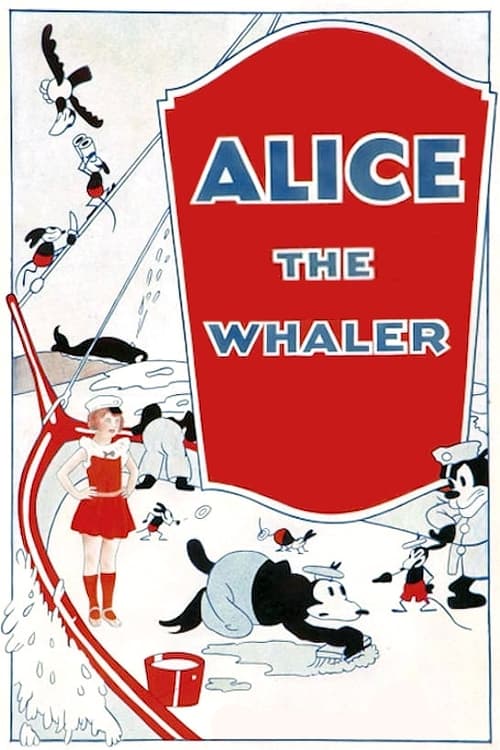
Alice the Whaler is a product of the experimental, slapstick era of early animation. It relies on established comedic clichés and hierarchical character dynamics rather than social complexity. The film's reliance on anthropomorphic animals and traditional labor roles results in a lack of diverse human representation. It functions as a functional, cohesive unit of storytelling that adheres to the era's standard social expectations. Ultimately, the work serves as a historical snapshot of early 20th-century animation, prioritizing physical comedy over the disruption of conventional social or identity-based norms.
Category Breakdown
The film does not depict any non-binary or LGBTQ+ identities or same-sex relationships. It focuses entirely on a chaotic maritime crew typical of 1920s cinema.
Roles are defined by a hierarchy of labor, such as the chef and his assistant. Characters align with traditional early-century archetypes without challenging masculine leadership.
The cast consists of anthropomorphic animals, including a cat, mouse, and goat. These characters reflect homogeneous archetypes common to early animation rather than diverse human identities.
The story follows a standard maritime setting and a simple quest-reward loop. It reinforces traditional storytelling rather than challenging Western institutions or social structures.
There is no mention of characters with visible or invisible disabilities. The narrative does not address neurodivergence or sensory impairments.
Present on Screen
Limited or Absent
Official Synopsis
Alice is dancing aboard her ship with a veritable zoo of a crew. Meanwhile, in the galley, the chef (a cat) is preparing food while his assistant, a mouse, is peeling potatoes. When the chef complains that they need eggs, the mouse is enlisted to retrieve them from the crow's nest. The birds there give him a rough time, but he's eventually able to capture one and strong-arm three eggs out of it. When he returns, though, he finds the chef now wants some milk, and so he's off to find the ship's goat, with similar comedic results.
1924
1926
1925
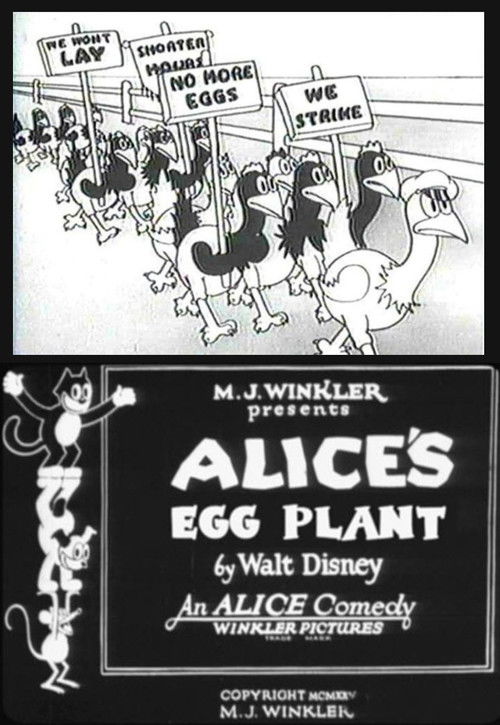
1925

1924
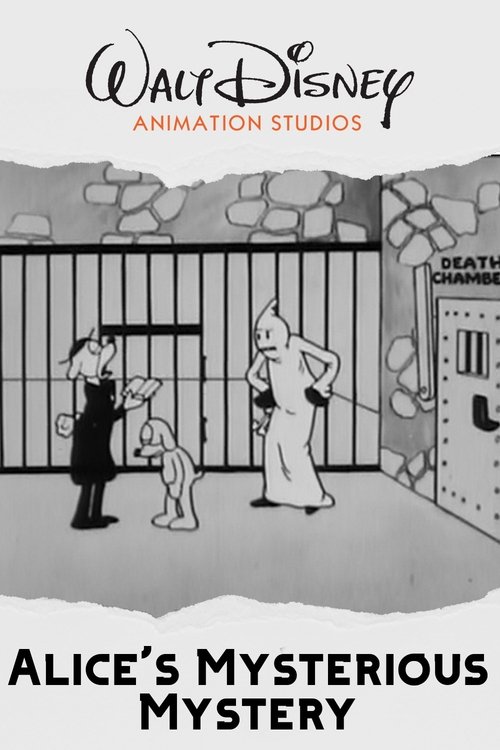
1926
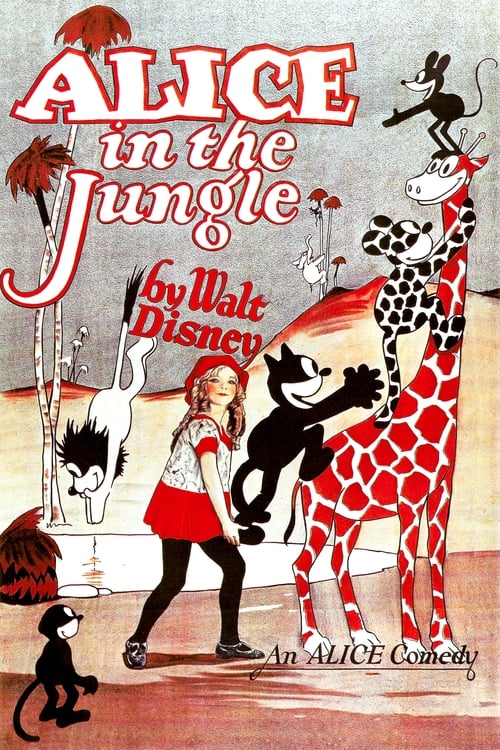
1925

1922
No reviews yet. Be the first to share your thoughts on this movie!
Use the rating form above to leave a star rating and optional review.