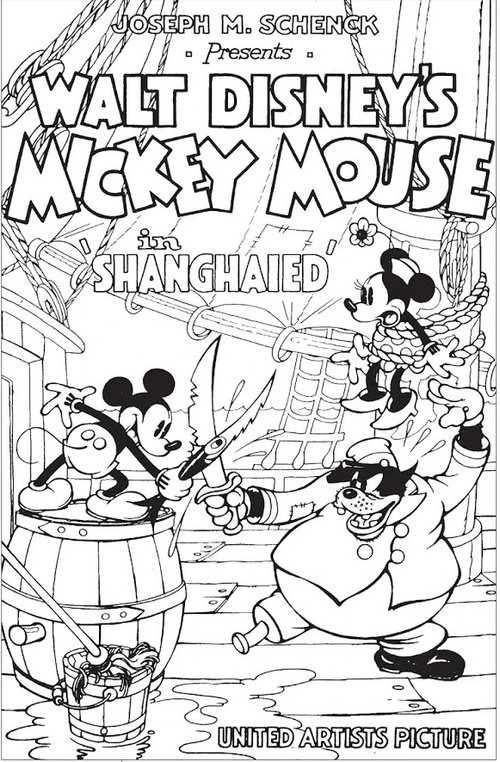
Shanghaied
1934
No user ratings available yet
Representation score: 0.4 out of 10
Representation Score
Minimal
1936
Director
Burt Gillett, Tom Palmer
Runtime
7 minutes
Average Rating
No ratings yetNew Showbiz Analysis
This 1936 animation is a product of its historical era, prioritizing slapstick comedy and physical clichés over social complexity. The narrative relies on a singular, dominant male protagonist and a clear-cut villain, reinforcing traditional archetypes of the time. Representation is minimal across the board. The film adheres to the homogeneous casting and moral structures common to early 20th-century media, lacking depth or attempts to challenge established social hierarchies. Ultimately, the work functions as a straightforward hero-versus-villain tale. It lacks the intentionality required to provide diverse perspectives or challenge the status quo of its period.
Category Breakdown
The film does not include any LGBTQ+ characters or stories about non-assuming gender matches what was assigned at birth identities. It follows a traditional structure focused on straight relationships.
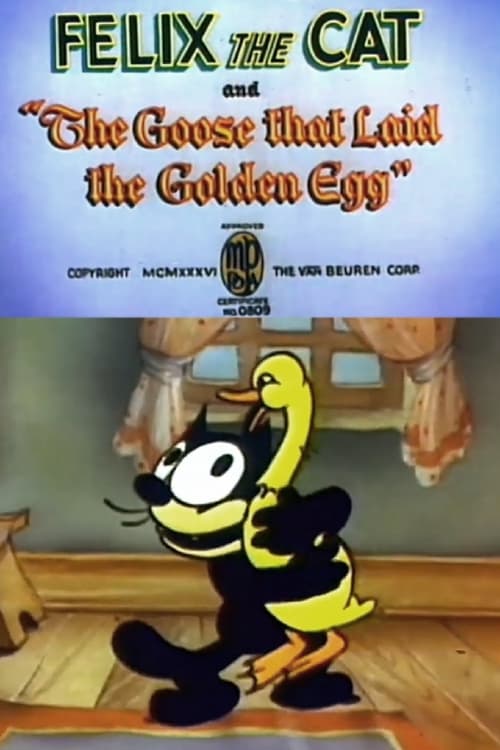
The story centers around Felix, a male character who drives the plot through his actions. Goldie the goose serves mainly as a supportive character rather than an independent one.
The cast appears homogeneous, following the conventional casting standards of the era. There is no indication of a diverse or multicultural cast.
The narrative follows a traditional Western moral framework. It uses a standard capitalist resolution where gold solves community problems without questioning the underlying systems of power.
There is no evidence of the portrayal of physical or neurodivergent disabilities. Slapstick humor is used for comedic effect rather than exploring disability issues.
Present on Screen
Limited or Absent
Official Synopsis
Felix is handing out relief, thanks to a goose that lays golden eggs. The evil Captain Kidd sees the goose and breaks into Felix's house to get it. He brings the goose to his pirate ship. Felix arrives too late to catch the ship. Goldie won't lay for the pirates. Felix sees a cannon and turns himself into a human cannonball to catch teh ship. With help from Goldie and another cannon, he subdues the crew, wrapping them in the sail and depositing them in the hold. He and Kidd have a swordfight, but their swords melt together. Kidd chases Felix up the mast, then foolishly cuts off his own support. He falls into the hold. They sail for home, where Felix fires off cannonloads of gold coins.
1934
1938

1945
1939
1974
1937
1937

1924
No reviews yet. Be the first to share your thoughts on this movie!
Use the rating form above to leave a star rating and optional review.