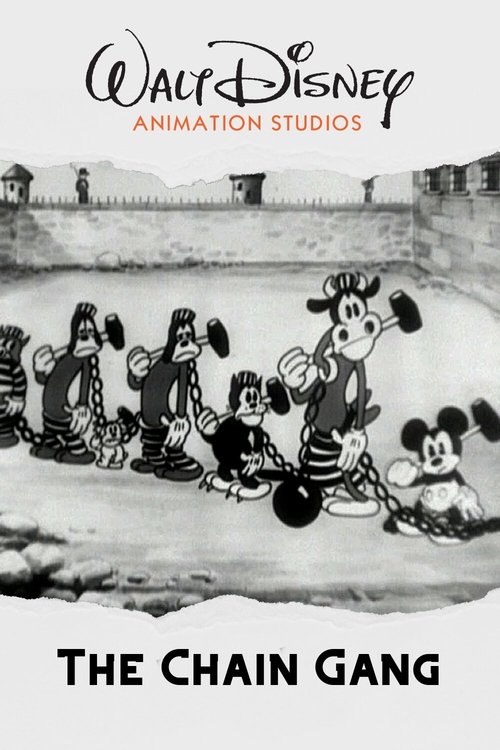
The Chain Gang
1930
No user ratings available yet
Representation score: 1.6 out of 10
Representation Score
Minimal
1932
NRDirector
Burt Gillett
Runtime
7 minutes
Average Rating
No ratings yetNew Showbiz Analysis
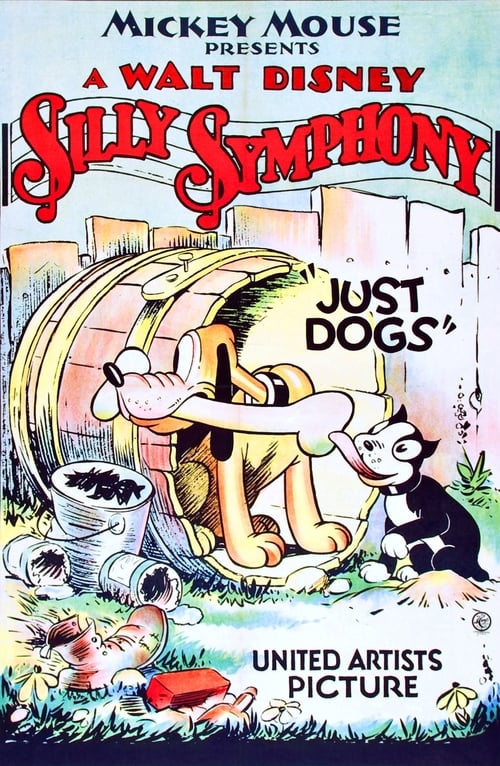
Just Dogs is a product of the early 1930s animation era, emphasizing character-driven slapstick humor over demographic representation. The narrative centers on universalized, instinctual character types through Pluto's interactions with other dogs. Given that the characters are anthropomorphic animals, the film steers clear of human-centric categories such as race, religion, or gender identity. Instead, it focuses on physical dominance and the comedic chaos of a bone chase. Overall, the film lacks intentional diversity, reflecting the era's standard animation clichés focused on situational comedy rather than social or multi-layered narratives.
Category Breakdown
The film focuses on canine social dynamics and resource competition. There are no depictions of LGBTQ+ identities or same-sex relationships.
The story centers on Pluto and his interactions with another dog. Gender roles are not a factor in the conflict, which revolves around territory and resources.
Since the film features anthropomorphic animals, there is no depiction of human racial or ethnic diversity. Characters are defined by their species and behavior.
The film portrays a local community involving a dog pound and a park. It highlights an instinctual sense of right and wrong related to ownership and survival.
There are no characters with visible or invisible disabilities. The characters operate within typical physical capabilities found in slapstick animation.
Present on Screen
Limited or Absent
Official Synopsis
Pluto's cage-mate at the dog pound breaks out and lets all the other dogs out as well. In the park, that terrier keeps following Pluto too closely for Pluto's tastes, until he digs up a huge bone and gives it to Pluto (who doesn't particularly want to share). But soon all the other escaped dogs are chasing after the bone.
1930
1946

1949
1942
1942

1950
1947

1945
No reviews yet. Be the first to share your thoughts on this movie!
Use the rating form above to leave a star rating and optional review.