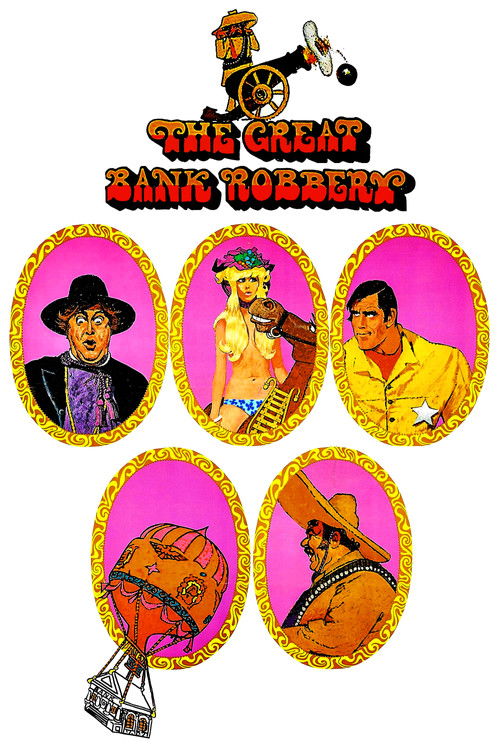
The Great Bank Robbery
1969
No user ratings available yet
Representation score: 3.3 out of 10

Representation Score
Minimal
1971
PGDirector
Andrew V. McLaglen
Runtime
108 minutes
Average Rating
No ratings yetNew Showbiz Analysis
One More Train to Rob is a conventional Western that closely follows traditional social and narrative structures. The story revolves around a standard heist-and-revenge plot, emphasizing masculine archetypes and the pursuit of stolen goods in the 1880s. The film lacks diverse representation, offering limited perspectives on race, culture, and LGBTQ+ identities. The narrative structure reinforces mid-century cinematic norms rather than challenging them. Overall, the film serves as a typical Western genre piece, relying on established clichés of the era and presenting a narrow view of the frontier through a largely homogeneous lens.
Category Breakdown
The film does not include any characters with non-binary or LGBTQ+ identities, nor does it show any same-sex relationships. The character interactions follow traditional gender roles.
The story centers on male characters involved in theft and revenge. Katy, a female character, is involved in the heist but her role is defined by her connection to the male characters.
The film is set in 1880s California and focuses on a group of white male characters without showing any diversity. The narrative reflects the homogeneous society typical of Western films from that era.
The film uses a classic Western framework focused on individualistic pursuits and frontier justice. It emphasizes themes of wealth recovery without addressing broader social or institutional issues.
There are no characters with visible or invisible disabilities mentioned in the film. The narrative does not address neurodivergence or physical impairments.
Present on Screen
Limited or Absent
Official Synopsis
Harker Flet and compatriots Timothy X. Nolan and Katy, along with three other men, steal $40,000 in money and jewelry from a California train in the gold-mining country of the 1880's. The six split up and while they are hiding out awaiting the rendezvous to divide the loot, Hark is cornered, framed and sent to prison. He is released after two-and-a-half years and sets out to find Katy and Nolan and get his share of the loot.
1969
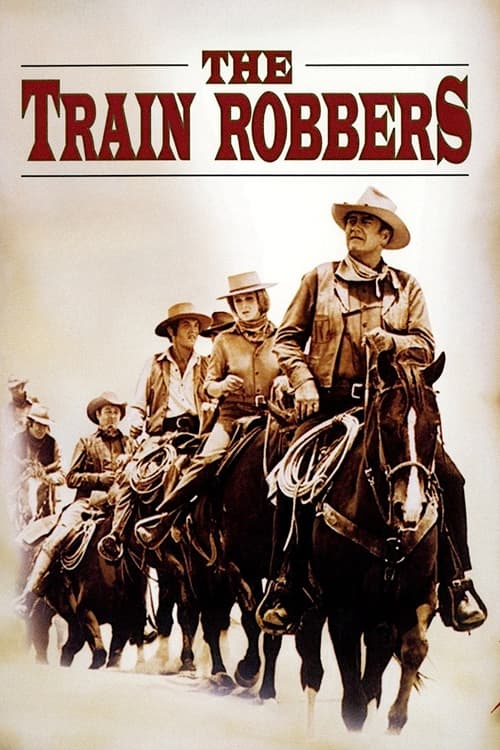
1973
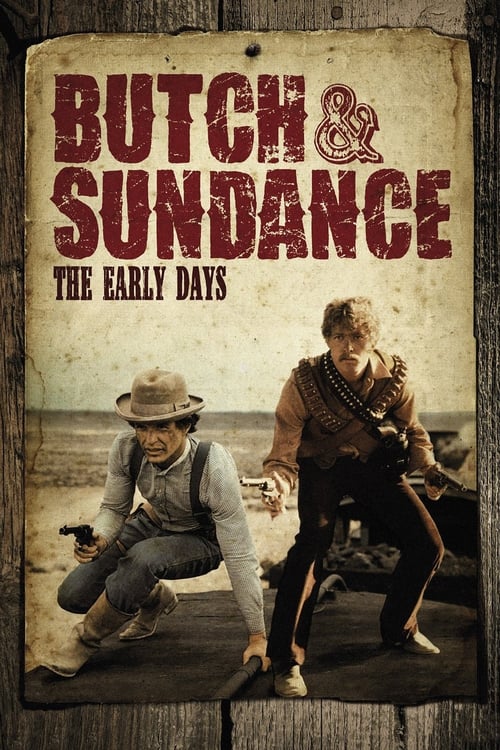
1979
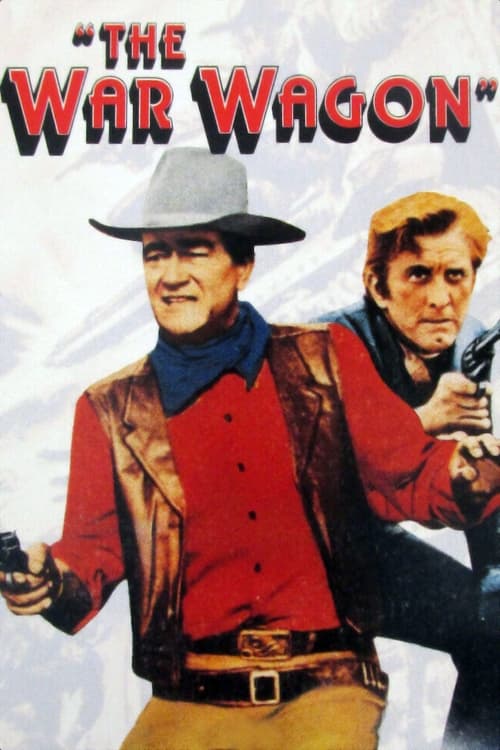
1967
1973
1969
1964
1970
No reviews yet. Be the first to share your thoughts on this movie!
Use the rating form above to leave a star rating and optional review.