
One More Train to Rob
1971
No user ratings available yet
Diversity score: 1.7 out of 10
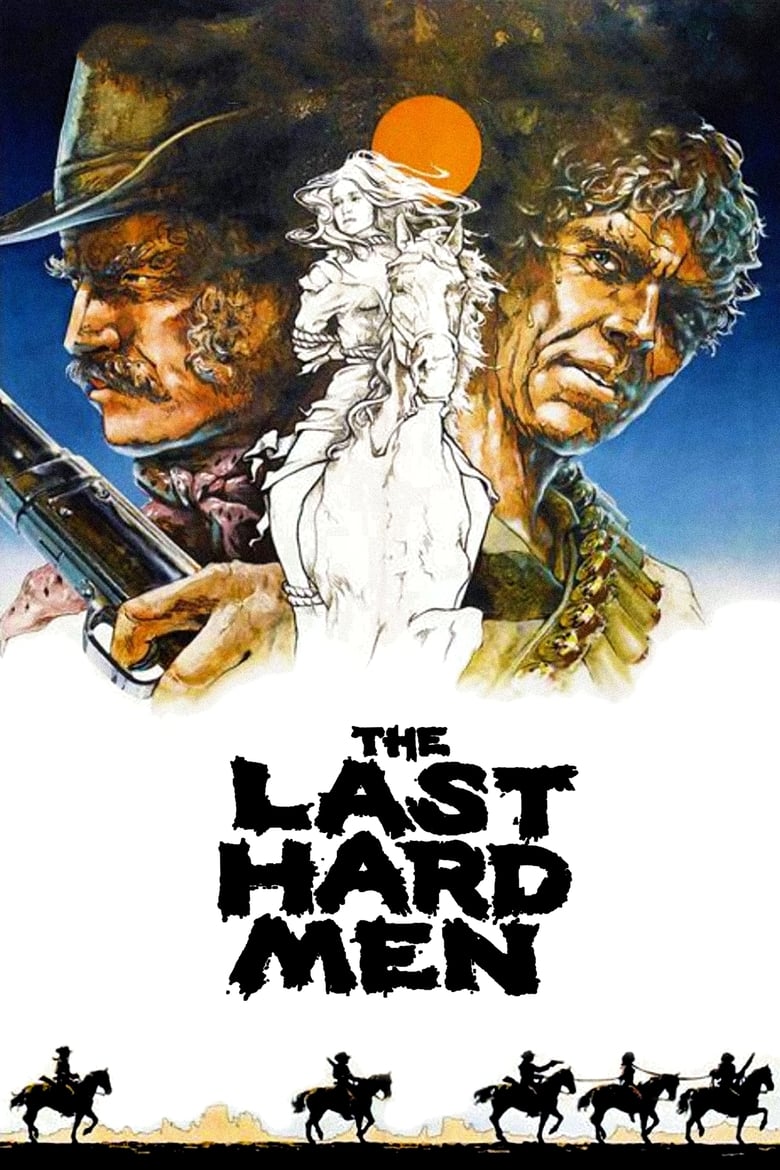
1976
RDirector
Andrew V. McLaglen
Runtime
98 minutes
Average Rating
No ratings yetSynopsis
In 1909 Arizona, retired lawman Sam Burgade's life is thrown upside-down when his old enemy Provo and six other convicts escape a chain-gang in the Yuma Territorial Prison and come gunning for Burgade.
Overall Score
Minimal
Category Breakdown
LGBTQ+ Representation
The film contains no visible LGBTQ+ characters or non-heteronormative identities. The narrative focuses entirely on conventional masculine camaraderie without exploring queer identity.
Gender Representation
Male agency drives the entire plot, focusing on the conflicts between lawmen and outlaws. Women are relegated to secondary, domestic roles that lack active participation in the story.
Racial & Ethnic Diversity
Casting is predominantly white, reflecting the era's cinematic norms and the historical setting. There is a notable absence of characters of color with meaningful agency.
Religious & Cultural Diversity
The story emphasizes traditional Western values and individual codes of honor. It portrays law enforcement through a lens of professional necessity rather than critiquing Western institutions.
Disability Representation
There are no prominent depictions of physical, neurodivergent, or mental health-related disabilities. Characters are defined strictly by their physical combat readiness and capability.
Strengths
Areas for Improvement
AI Analysis
The film serves as a preservation of traditional Western tropes, prioritizing classical storytelling and masculine archetypes. It reinforces established social hierarchies rather than attempting to subvert them. The narrative architecture is built around a homogeneous demographic, focusing on the stoicism of lawmen and outlaws. This creates a world centered on white, male authority within a frontier setting. Ultimately, the work aligns with the conservative cinematic norms of the mid-1970s, offering a standard depiction of the American West without intersectional complexity or diverse perspectives.
1971
1947
1956
1951
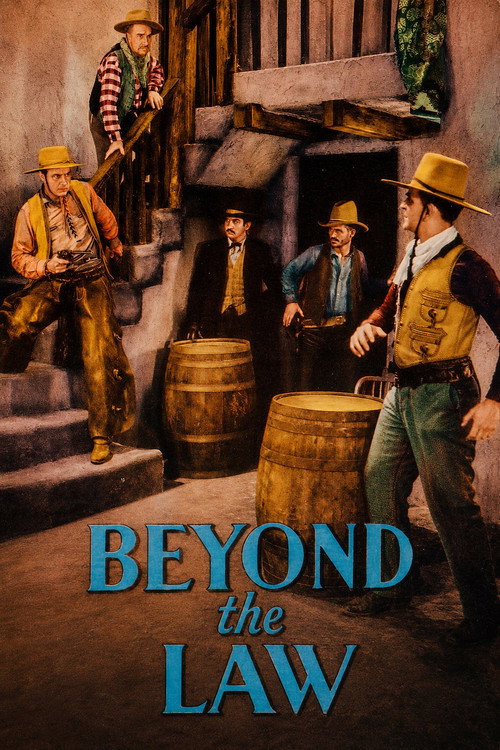
1930
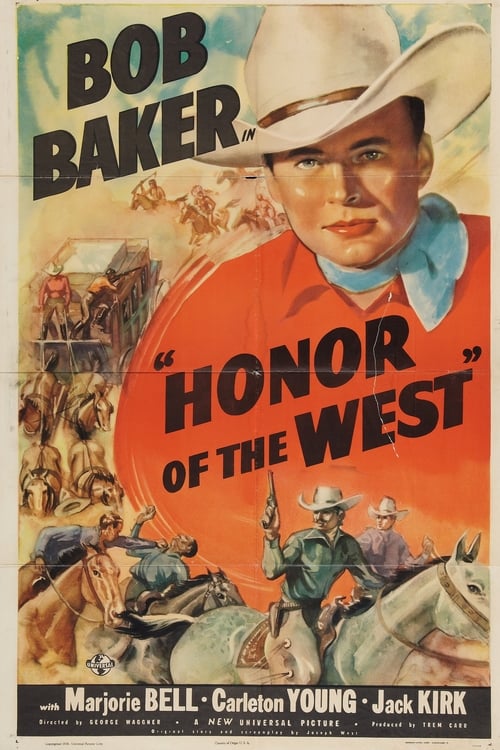
1939
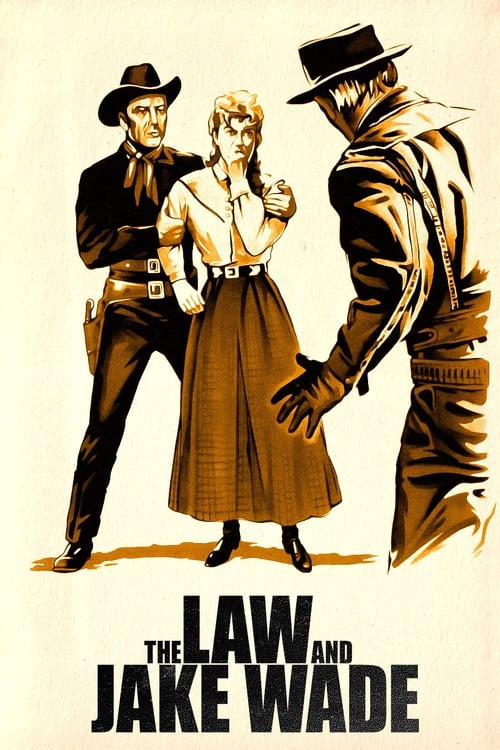
1958
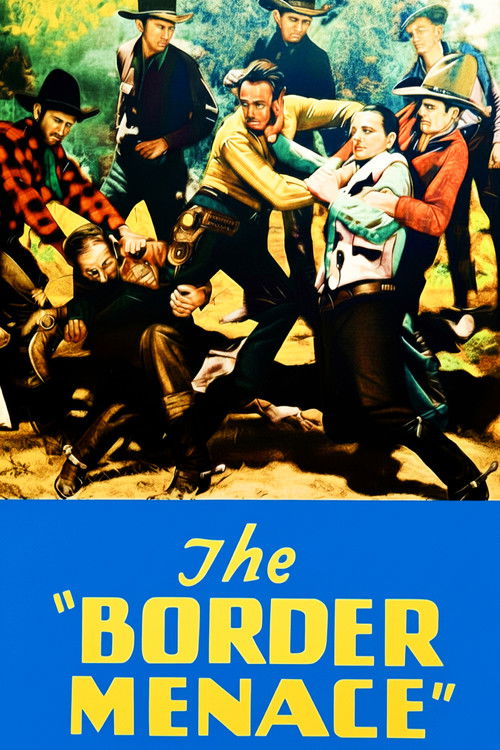
1934
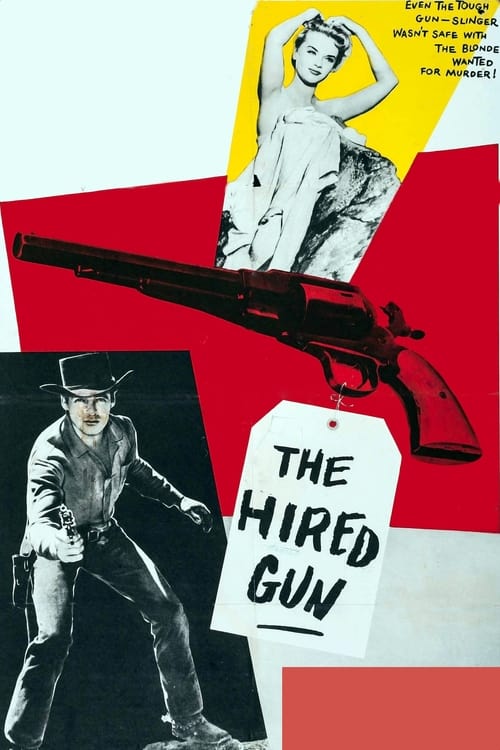
1957
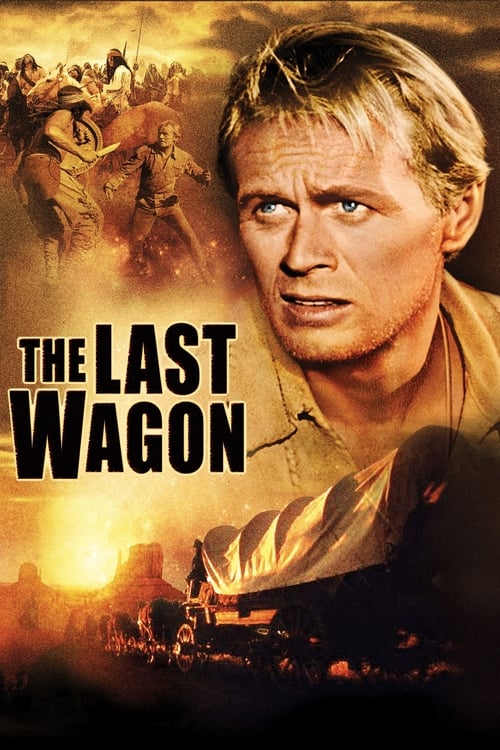
1956
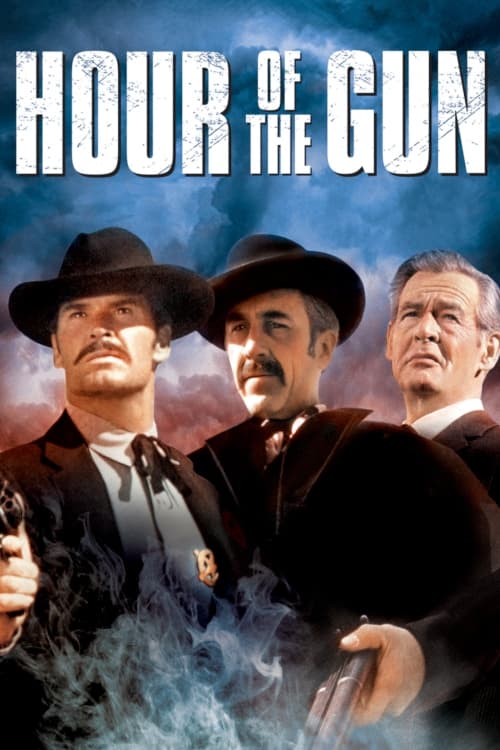
1967
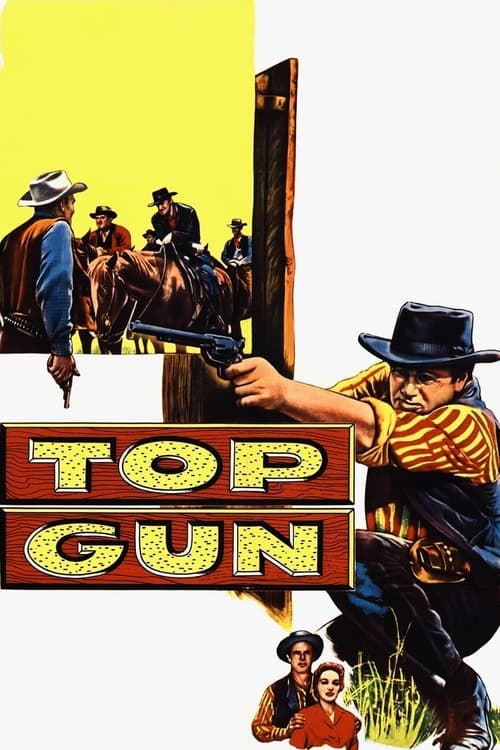
1955
No reviews yet. Be the first to share your thoughts on this movie!
Use the rating form above to leave a star rating and optional review.