Spoilers of the Range
1939
No user ratings available yet
Diversity score: 1.9 out of 10
1939
PassedDirector
George Sherman
Runtime
62 minutes
Average Rating
No ratings yetSynopsis
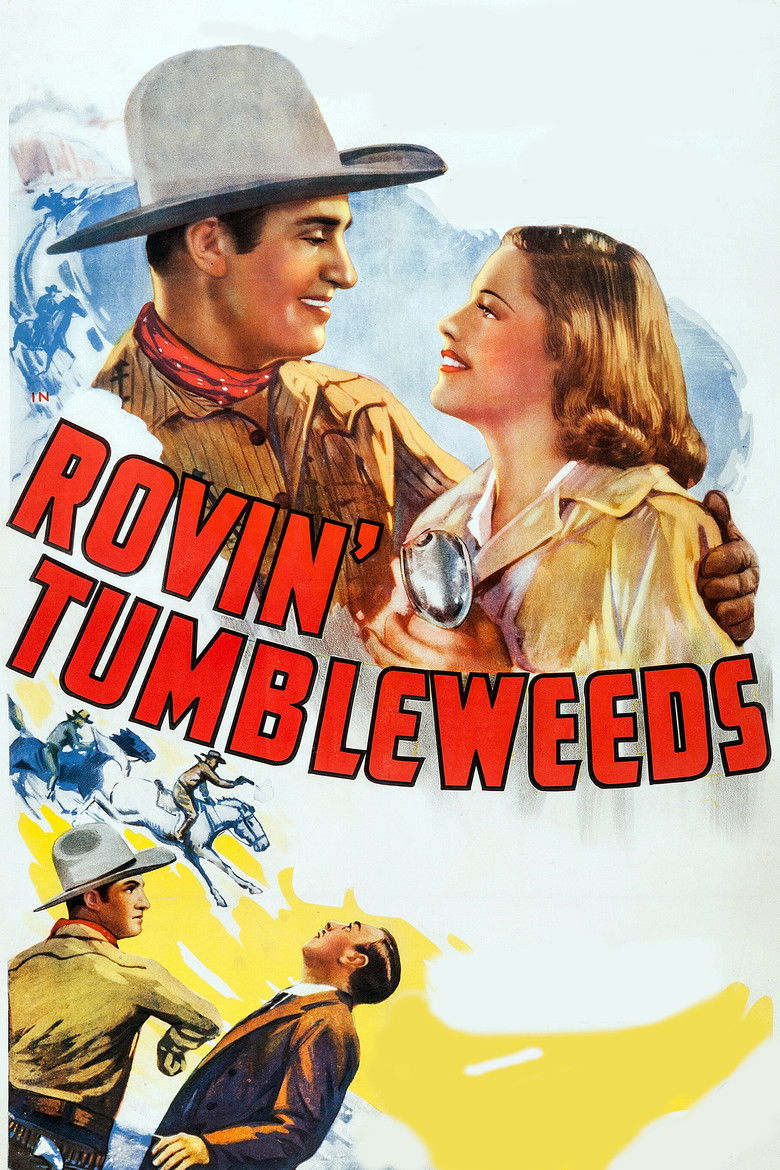
Rancher Autry takes a job singing on the radio to aid farmers and ranchers whose lands were destroyed by raging floods. Blaming crooked politicians, he goes to Washington and tries to put through a food control bill and finds he has a lot to learn. In this classic release, Gene introduces his immortal theme song, "Back in the Saddle Again," which has gone on to become a piece of American History.
Overall Score
Minimal
Category Breakdown
LGBTQ+ Representation
The film lacks any evidence of LGBTQ+ characters or non-heteronormative identities. It adheres to the strict heteronormative social structures typical of 1939 cinema.
Gender Representation
Agency is centered almost entirely on the male lead, Gene Autry. Female roles appear relegated to supporting or decorative capacities within traditional gender hierarchies.
Racial & Ethnic Diversity
The narrative focuses on Anglo-Saxon perspectives of the frontier. It reinforces a traditional Western paradigm of white hegemony common to the era.
Religious & Cultural Diversity
The story promotes patriotism and the sanctity of ranching. It celebrates traditional American resilience and communal stability through conservative cultural archetypes.
Disability Representation
Characters are presented as idealized, able-bodied archetypes. There is no indication of characters navigating physical, sensory, or neurodivergent disabilities.
Strengths
Areas for Improvement
AI Analysis
Rovin' Tumbleweeds functions as a traditionalist musical Western that prioritizes established social hierarchies. The narrative centers on masculine agency and a celebratory view of American frontier institutions, offering little intersectional complexity. The film reflects the era's tendency toward homogeneous casting and rigid social structures. While it critiques local political corruption, it does so within a framework that reinforces existing power dynamics rather than subverting them. Ultimately, the work serves to uphold the cultural norms of 1930s cinema, focusing on romanticized Americana and traditionalist values.
1939
1944
1939
1949
1937
1943
1940
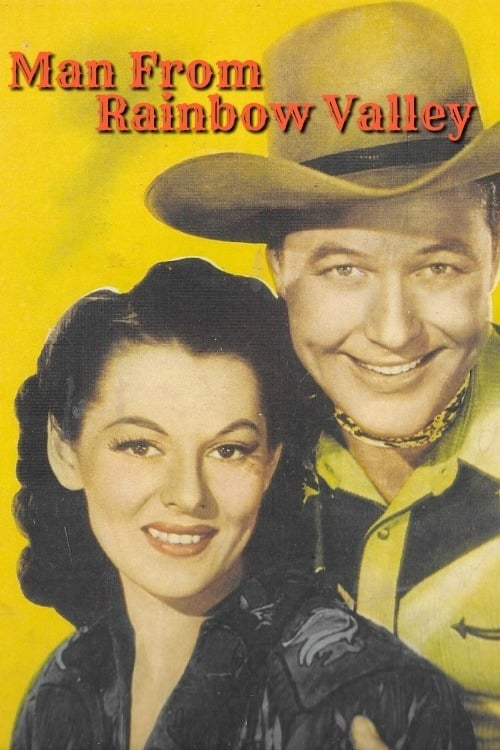
1946
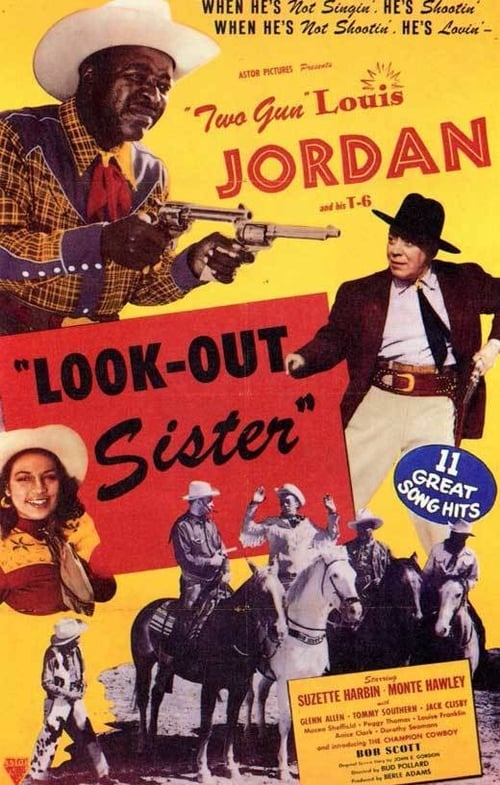
1947
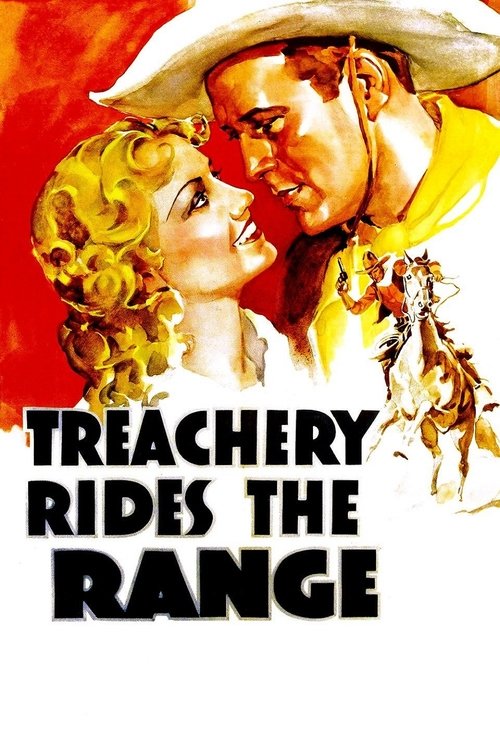
1936
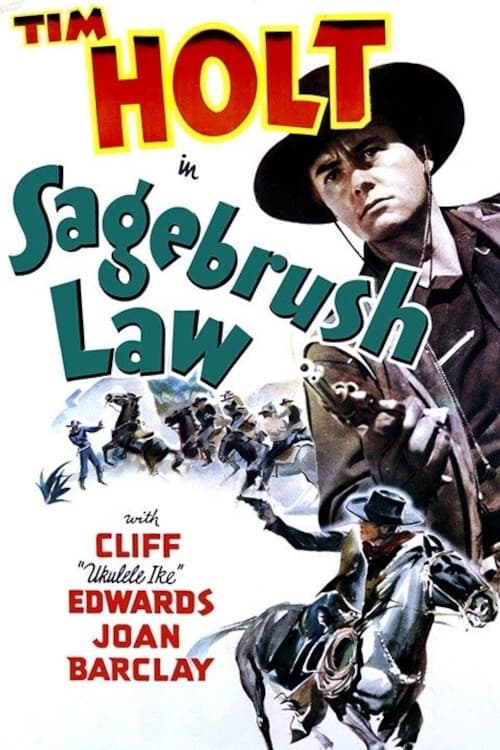
1943

1941
No reviews yet. Be the first to share your thoughts on this movie!
Use the rating form above to leave a star rating and optional review.