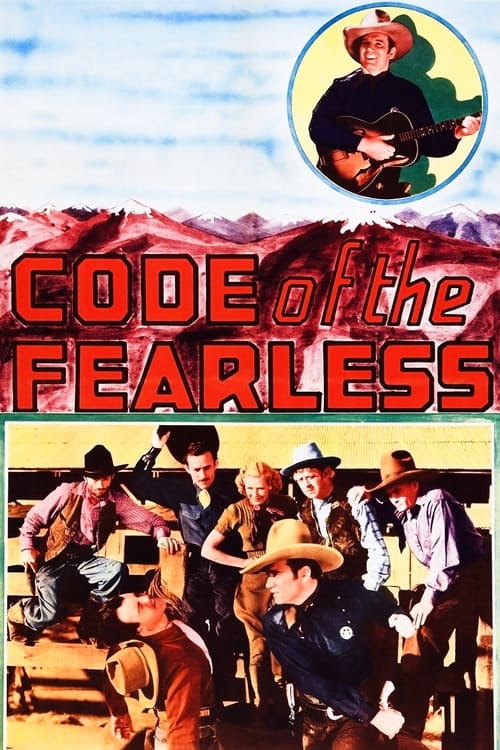
Code of the Fearless
1939
No user ratings available yet
Diversity score: 1.6 out of 10

1940
ApprovedDirector
Raymond K. Johnson
Runtime
57 minutes
Average Rating
No ratings yetSynopsis
With the Government Remount Service unable to meet it's quota of horses, Marshal Fred Martin arrives to try and find the rustlers. Apparently just a singing cowhand dressed in white, he becomes the masked Two Gun Troubador dressed in black when he goes after the outlaws. He quickly learns Tex Walters is the leader of the gang but he must find out who is the big boss that gives Walters his orders.
Overall Score
Limited
Category Breakdown
LGBTQ+ Representation
The film lacks any evidence of non-cisnormative identities or same-sex intimacy. It focuses on a traditional masculine hero and standard antagonist structures.
Gender Representation
The story centers on Marshal Fred Martin performing traditional masculine roles like law enforcement and vigilantism. Women are not mentioned, suggesting a lack of female agency.
Racial & Ethnic Diversity
The narrative follows a classic lawman versus outlaw dynamic. It likely centers on Anglo-American institutional authority without significant racial intersectionality or non-white agency.
Religious & Cultural Diversity
The film reinforces traditional Western institutions and legal authority. It upholds the status quo through conventional depictions of justice and patriotism.
Disability Representation
There is no mention of characters possessing visible or invisible disabilities within the narrative.
Strengths
Areas for Improvement
AI Analysis
Ridin' the Trail is a standard genre piece that adheres strictly to 1940s Western archetypes. The narrative prioritizes traditional masculine leadership and the preservation of established social hierarchies through the figure of the Two Gun Troubadour. The film lacks intersectional complexity, focusing instead on institutional stability and the enforcement of law. It functions as a conventional hero's journey that reinforces the social norms of its era rather than challenging them.
1939
1937
1943
1939
1943
1939
1946

1941
1935
1947
1938
1945
No reviews yet. Be the first to share your thoughts on this movie!
Use the rating form above to leave a star rating and optional review.