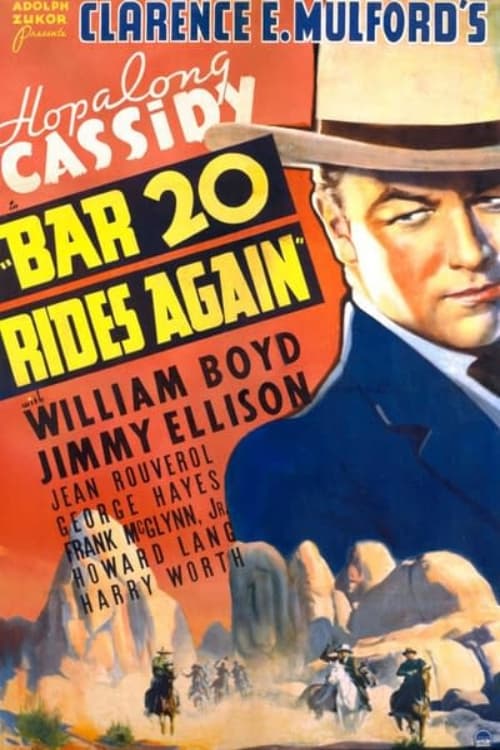
Bar 20 Rides Again
1935
No user ratings available yet
Representation score: 0.3 out of 10
Representation Score
Minimal
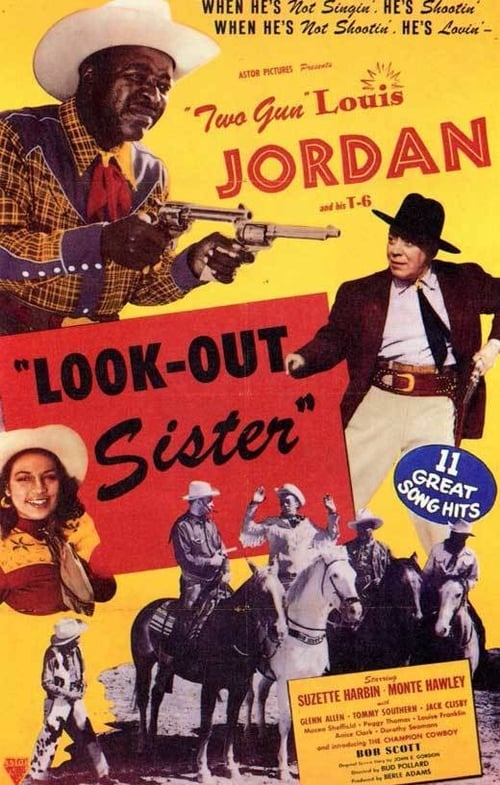
1947
ApprovedDirector
Bud Pollard
Runtime
63 minutes
Average Rating
No ratings yetNew Showbiz Analysis
Look-Out Sister is a product of its 1947 era, adhering strictly to the genre conventions of musical Westerns. The narrative relies on established social hierarchies and traditional storytelling frameworks common to the post-war period. The film lacks complexity in representing various identities and backgrounds, focusing instead on a singular conflict between a protagonist and a villain. This structure reinforces standard cultural norms rather than challenging them. Ultimately, the work functions as a conventional genre piece that prioritizes traditional romantic and territorial clichés over diverse or systemic representation.
Category Breakdown
The film follows a typical romantic storyline. There is no evidence of non-straight or non-cisgender identities or same-sex relationships.
The female lead plays a significant role in defending her ranch. However, her role is tied to traditional romantic and territorial stakes.
The Western setting suggests a likely homogeneous cast. There is no indication of a diverse ensemble or non-white characters with substantial roles.
The story operates within conventional Western morality tales. It focuses on preserving a traditional lifestyle rather than questioning cultural institutions.
The protagonist's exhaustion serves only as a temporary plot device. There is no sustained exploration of chronic illness or neurodivergence.
Present on Screen
Limited or Absent
Official Synopsis
A famous bandleader, suffering from overwork and exhaustion, goes to a sanitarium for a rest. While there he dreams of being out west at a dude ranch, where he finds himself involved in the beautiful owner's struggle to keep her ranch from falling into the hands of the villain, who wants either her or her ranch (or, preferably, both).
1935
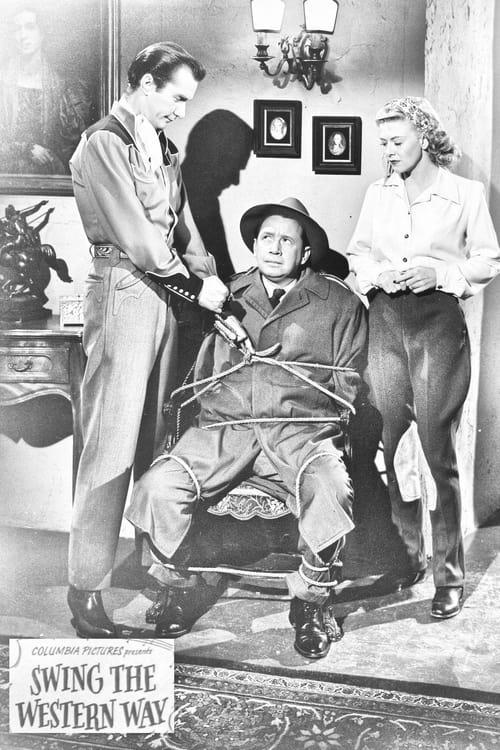
1947
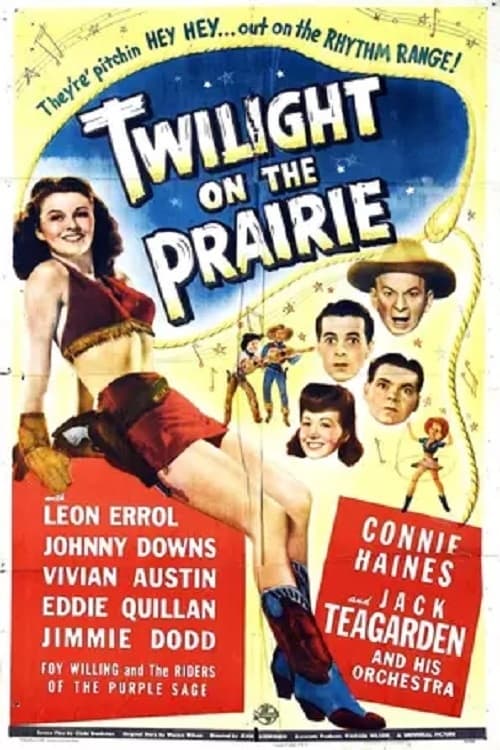
1944
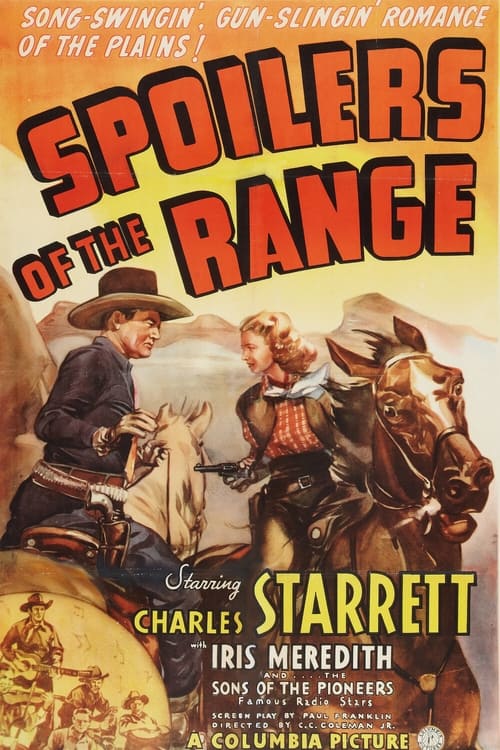
1939
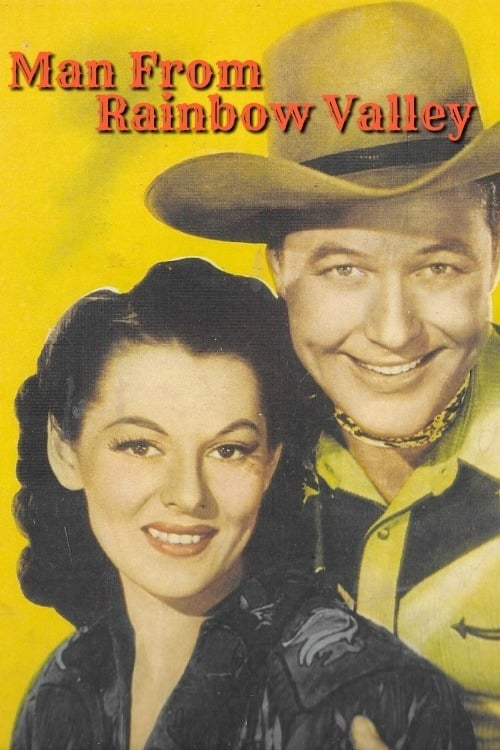
1946

1941
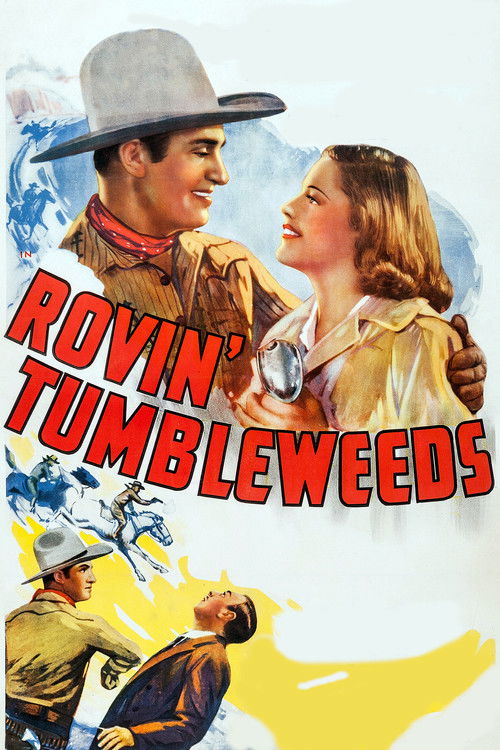
1939
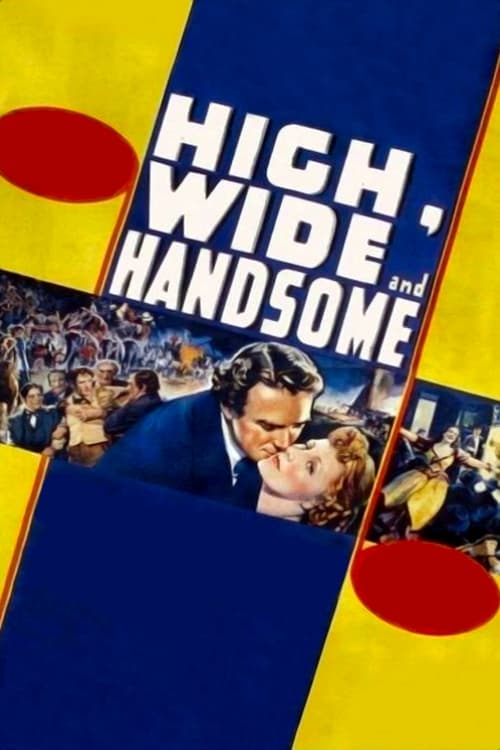
1937
No reviews yet. Be the first to share your thoughts on this movie!
Use the rating form above to leave a star rating and optional review.