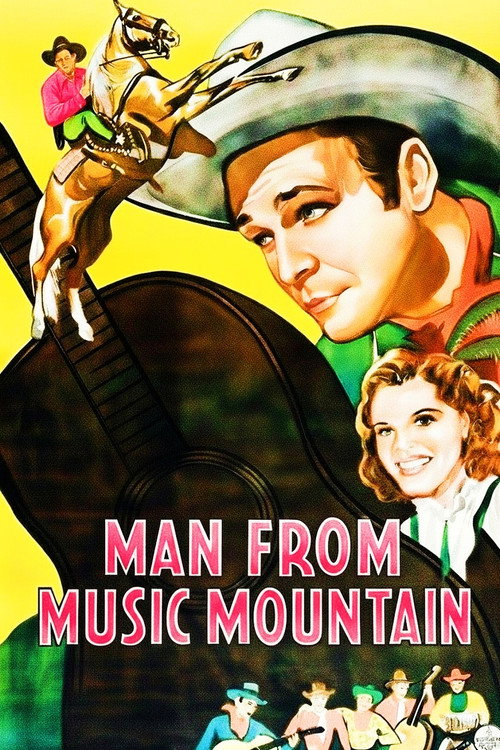
Man from Music Mountain
1943
No user ratings available yet
Diversity score: 1.9 out of 10
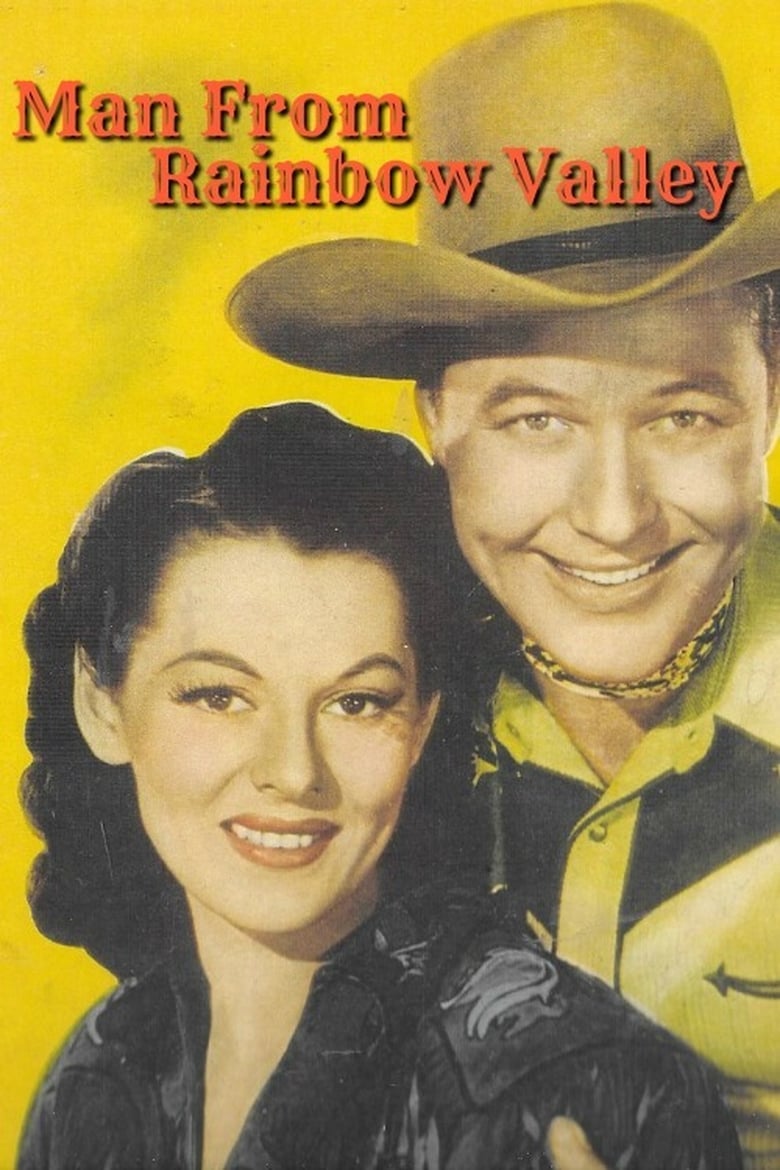
1946
ApprovedDirector
R.G. Springsteen
Runtime
56 minutes
Average Rating
No ratings yetSynopsis
When unscrupulous rodeo promoter Colonel Winthrop gets the idea of capturing "Outlaw" and making him a show horse, his niece Kay North tricks Monte into believing she is a writer assigned to do an article on the real horse.
Overall Score
Limited
Category Breakdown
LGBTQ+ Representation
The film contains no visible or implied LGBTQ+ characters. It operates entirely within the heteronormative constraints of 1940s cinema.
Gender Representation
Gender dynamics follow established historical hierarchies. While Kay North shows some agency through deception, she remains a traditional supporting archetype.
Racial & Ethnic Diversity
The cast is predominantly white, reflecting standard Western conventions of the era. There is no evidence of intentional racial diversification.
Religious & Cultural Diversity
The film upholds traditional Western values like frontier justice and property sanctity. It presents these structures as necessary for a stable society.
Disability Representation
There are no discernible depictions of physical, sensory, or neurodivergent disabilities. Characters fit standard B-Western physical archetypes.
Strengths
Areas for Improvement
AI Analysis
Man from Rainbow Valley is a quintessential 1940s B-Western that prioritizes the restoration of social order through traditional archetypes. The narrative reinforces established hierarchies rather than attempting to subvert them. The film lacks intersectional character development or any critique of systemic power. It functions as a conservative genre piece that upholds the cultural norms of its time. Because the story relies on conventional tropes and lacks diverse representation, it offers no progressive narrative intent or modern social complexity.
1943
1936
1939
1943
1949
1939
1950
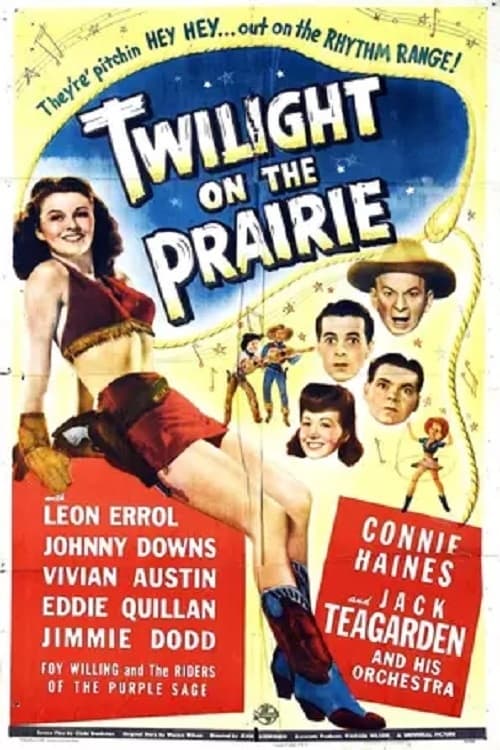
1944

1941
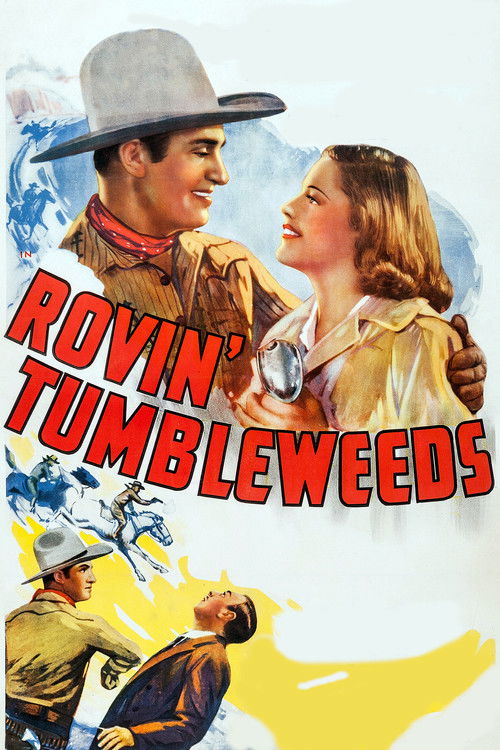
1939
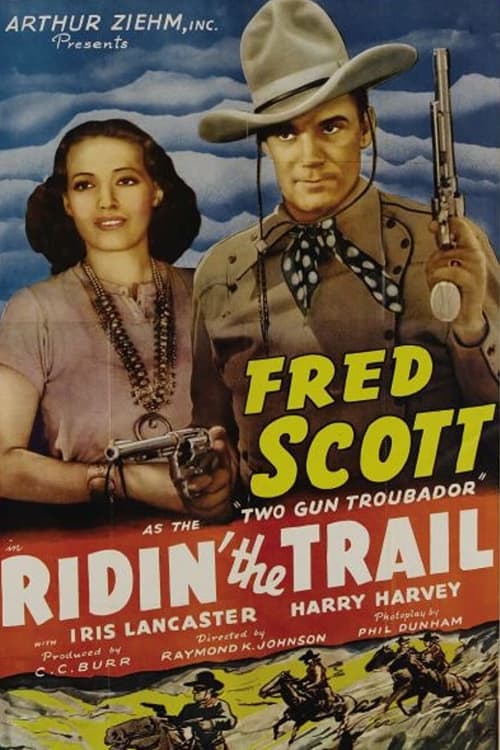
1940
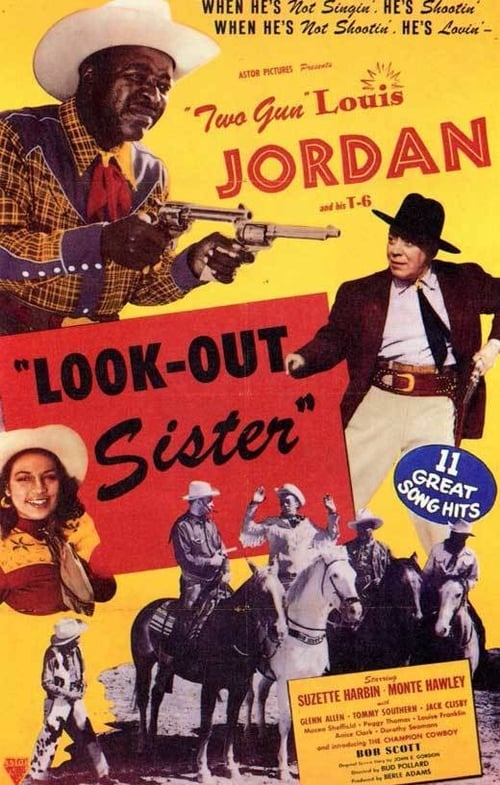
1947
No reviews yet. Be the first to share your thoughts on this movie!
Use the rating form above to leave a star rating and optional review.