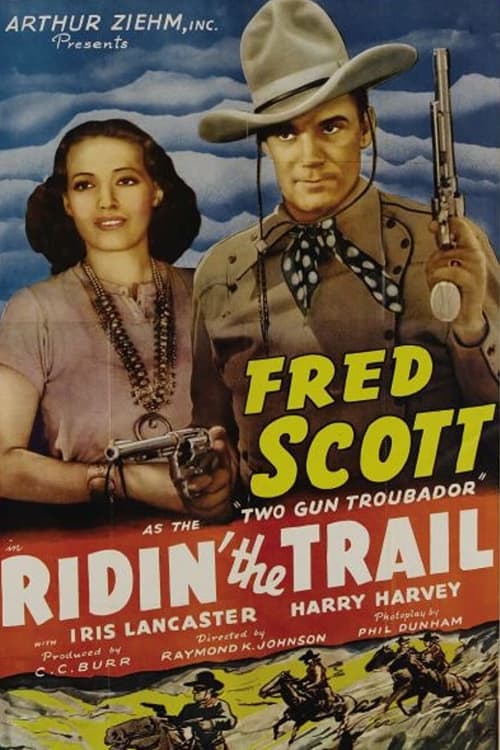
Ridin' the Trail
1940
No user ratings available yet
Representation score: 1.3 out of 10
Representation Score
Minimal
1939
PassedDirector
Raymond K. Johnson
Runtime
56 minutes
Average Rating
No ratings yetNew Showbiz Analysis
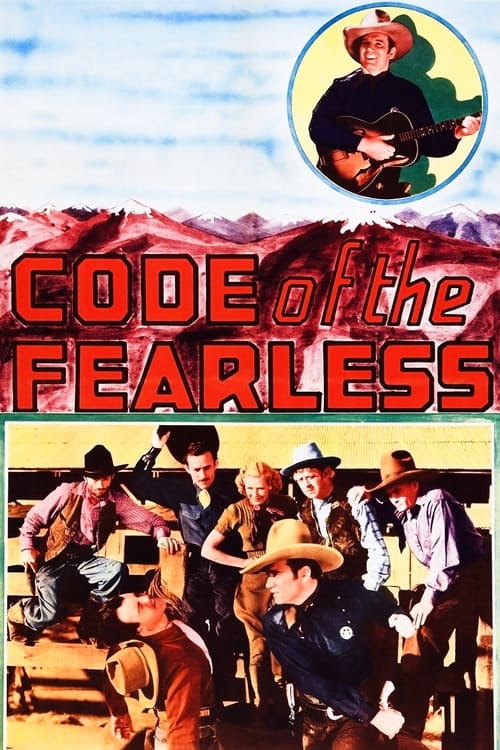
Code of the Fearless is a period-typical Western musical that adheres to the conventional social hierarchies of 1939. The story centers on a protagonist's undercover mission to dismantle a criminal gang, a cliché that prioritizes traditional masculine archetypes and institutional authority. The film functions to uphold the cultural status quo of its era. By focusing on the restoration of trust in law enforcement, the narrative reinforces established moral frameworks and traditional power structures rather than challenging them. Overall, the production lacks representation across most diversity metrics, reflecting the genre constraints and social norms prevalent in early Hollywood.
Category Breakdown
The film does not include any LGBTQ+ identities or same-sex relationships, and it likely upholds the heterosexual norms typical of the 1939 era.
Male characters play a central role in the story, focusing on male-dominated institutions like the Rangers and criminal gangs. There is no indication of gender roles being challenged.
The film likely reflects the era's tendency towards homogeneous, Anglo-centric casting. The conflict between Rangers and gangs follows traditional 1930s cinematic patterns.
The plot celebrates established authority and the stability of law and order. It promotes a classic moral framework rather than offering systemic or secular critiques.
There are no mentions of characters with visible or invisible disabilities. No such character arcs are indicated within the narrative.
Present on Screen
Limited or Absent
Official Synopsis
When it appears that Fred Jamison is a member of Red's gang, he is kicked out of the Rangers. But it's just a plot between Fred and the Ranger Captain. Fred then gets into Red's gang and makes plans that will enable the Rangers to bring them all in. But his message to the Captain is intercepted and the hoax revealed.
1940
1943
1943
1946
1939
1938
1937
1941
No reviews yet. Be the first to share your thoughts on this movie!
Use the rating form above to leave a star rating and optional review.