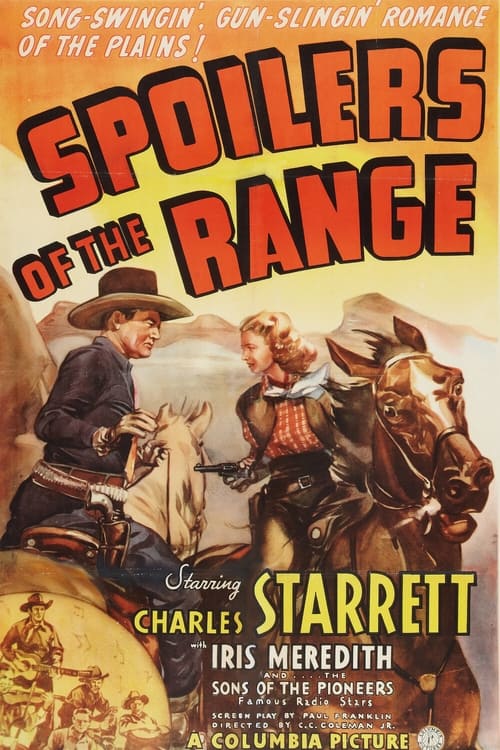
Spoilers of the Range
1939
No user ratings available yet
Diversity score: 1.9 out of 10
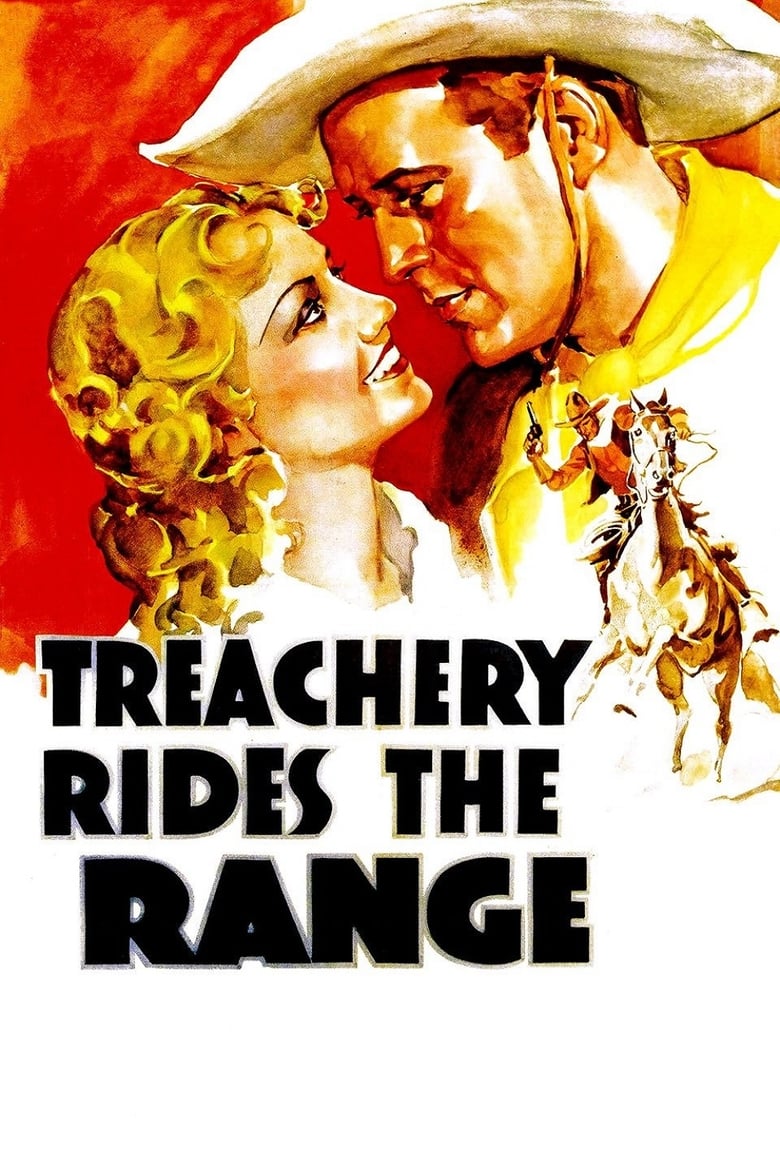
1936
PassedDirector
Frank McDonald
Runtime
56 minutes
Average Rating
No ratings yetSynopsis
The Indians need the Buffalo to survive and the Government has promised to keep the herds free from hunters. But Carter, of Carter and Barton, just signed a big contract for furs and Buffalo meat so they want the herds. The only way they can get them is to rile the Indians up enough to go on the warpath and break the treaty. After the trouble starts, the Indians get the Colonel's daughter and hold her prisoner. Written by Tony Fontana
Overall Score
Minimal
Category Breakdown
LGBTQ+ Representation
The film contains no depiction of non-heteronormative identities or same-sex intimacy. The narrative relies entirely on traditional romantic and familial structures common to the 1930s.
Gender Representation
Gender roles are strictly hierarchical and traditional. The female lead serves a reactive role as a captive, while the plot focuses on male-driven action and leadership.
Racial & Ethnic Diversity
Indigenous characters function primarily as a catalyst for conflict rather than individuals with agency. The story reflects a homogeneous Western perspective typical of the era's genre tropes.
Religious & Cultural Diversity
The film emphasizes frontier justice and the protection of property and contracts. It reinforces pro-institutional values and the necessity of law and order in the West.
Disability Representation
There is no evidence of characters with visible or invisible disabilities. The narrative does not address neurodivergence or chronic illness.
Strengths
Areas for Improvement
AI Analysis
Treachery Rides the Range is a quintessential 1930s B-Western that reinforces existing social and power hierarchies. The film relies on established tropes of masculine leadership and clear-cut morality to drive its plot. The narrative architecture prioritizes traditional Western values, such as the protection of legal treaties and property rights. It functions as a standard reinforcement of frontier order rather than a critique of social norms. Representation of marginalized groups is minimal or functional. Indigenous populations are used to trigger conflict, and female characters are relegated to reactive roles, maintaining the era's conventional social structures.
1939
1940
1946
1943
1943
1939
1935
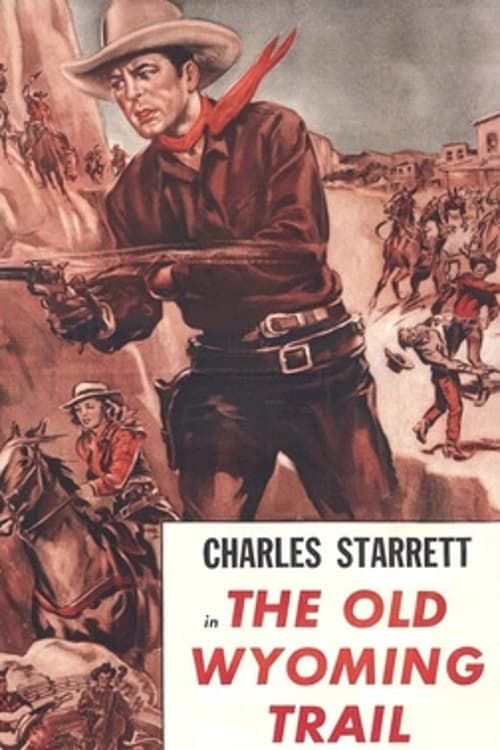
1937
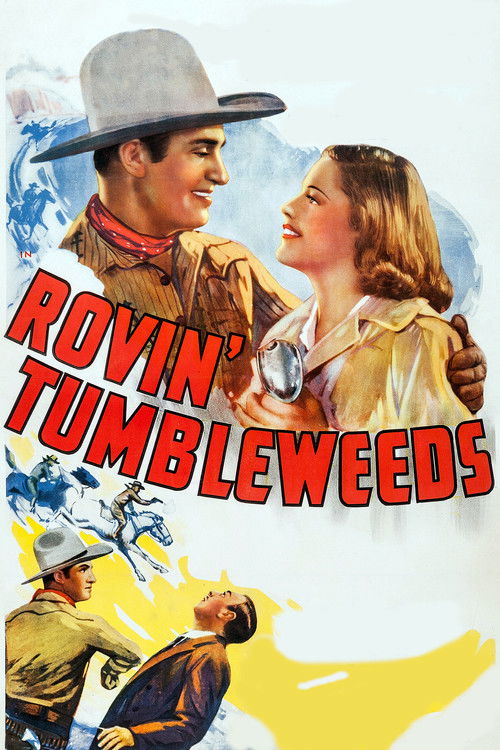
1939
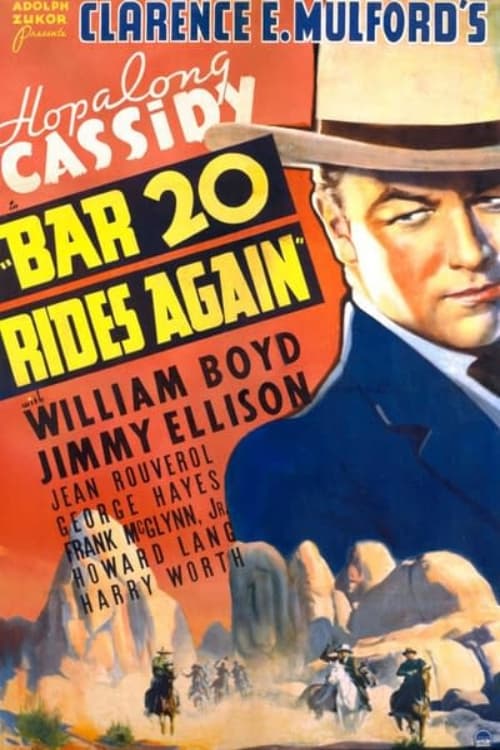
1935
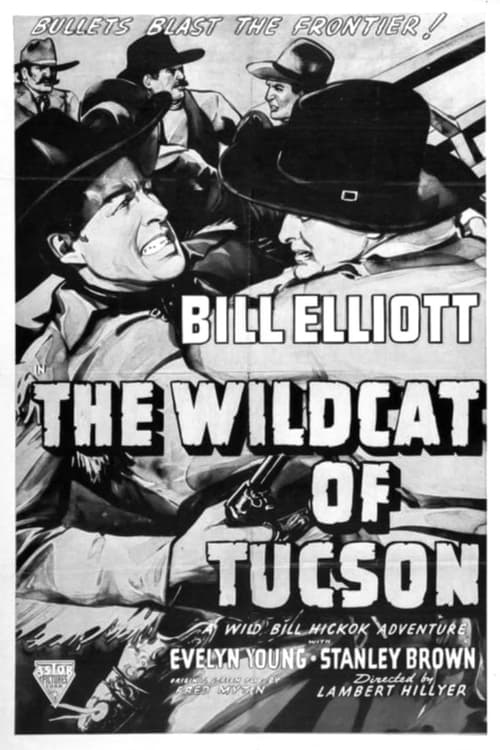
1940
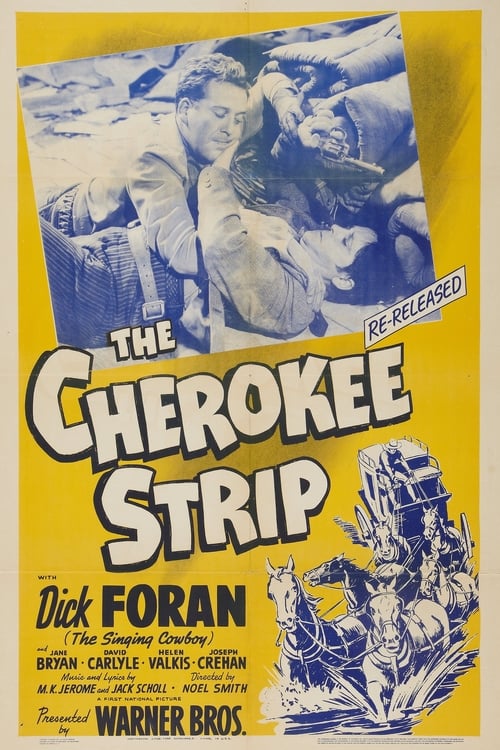
1937
No reviews yet. Be the first to share your thoughts on this movie!
Use the rating form above to leave a star rating and optional review.