
Prairie Stranger
1941
No user ratings available yet
Diversity score: 1.0 out of 10

1944
ApprovedDirector
Jean Yarbrough
Runtime
62 minutes
Average Rating
No ratings yetSynopsis
In this musical western, a cowboy band is offered the chance to appear in a Hollywood movie and begins the journey to the West Coast. Unfortunately, the band ends up stranded in Texas and must take a job running a ranch. Musical mayhem ensues: Songs include: "Let's Love Again," "Where the Prairie Meets the Sky," "Don't You Ever Be a Cowboy," "Texas Polka," "No Letter Today," "I Got Mellow in the Yellow of the Moon," "Sip Nip Song," "Salt-Water Cowboy," "The Blues," "Little Brown Jug" and "And Then."
Overall Score
Minimal
Category Breakdown
LGBTQ+ Representation
The film lacks any evidence of non-cisnormative identities or same-sex intimacy. It adheres to the heteronormative social structures typical of 1944 musical westerns.
Gender Representation
Gender roles follow traditional Western frameworks, centering masculine competence in the cowboy archetype. Female characters appear relegated to supporting or romantic roles within the musical mayhem.
Racial & Ethnic Diversity
The production reflects the era's Anglo-centric casting tendencies. There is no indication of characters of color possessing significant agency within the Texas ranch setting.
Religious & Cultural Diversity
The narrative focuses on musical performance and situational comedy rather than cultural critique. It avoids themes of moral relativism or anti-establishment sentiment.
Disability Representation
There is no documented presence of characters with visible or invisible disabilities. Such representation was largely absent from primary casts in 1940s genre filmmaking.
Strengths
Areas for Improvement
AI Analysis
Twilight on the Prairie functions as a standard piece of mid-century escapist entertainment. It relies heavily on established genre tropes, prioritizing musical numbers and cowboy archetypes over any meaningful social subversion. The film's structure reinforces the demographic and cultural norms of 1940s Hollywood. It lacks the narrative depth required to challenge systemic hierarchies or provide intersectional perspectives. Ultimately, the work serves as a conventional musical western that maintains the status quo of its era through traditional casting and storytelling.
1941
1939
1937
1940
1939
1939
1949
1943
1946
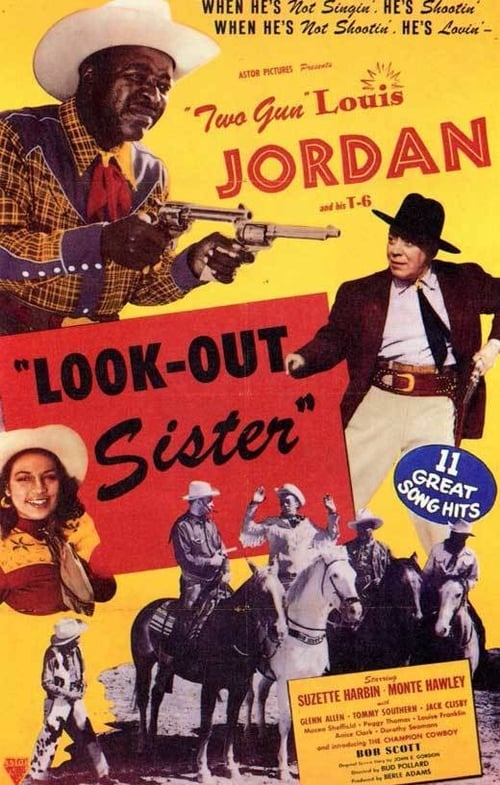
1947
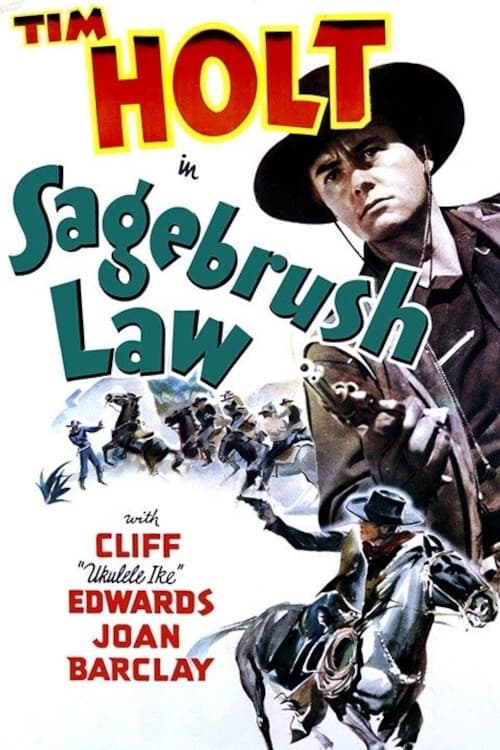
1943
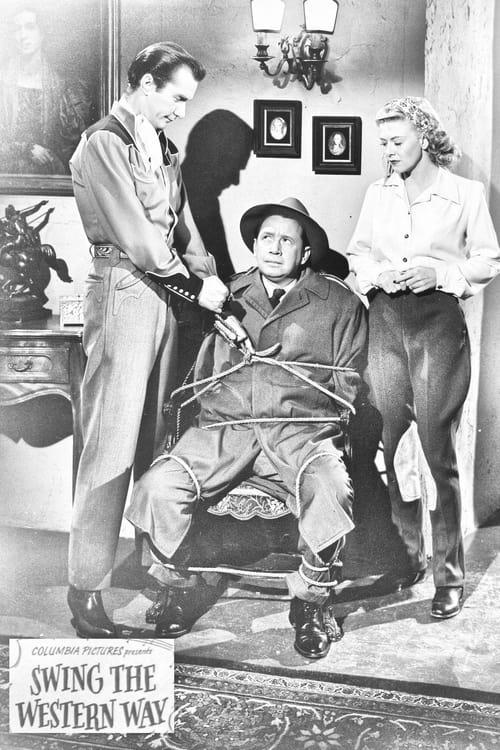
1947
No reviews yet. Be the first to share your thoughts on this movie!
Use the rating form above to leave a star rating and optional review.