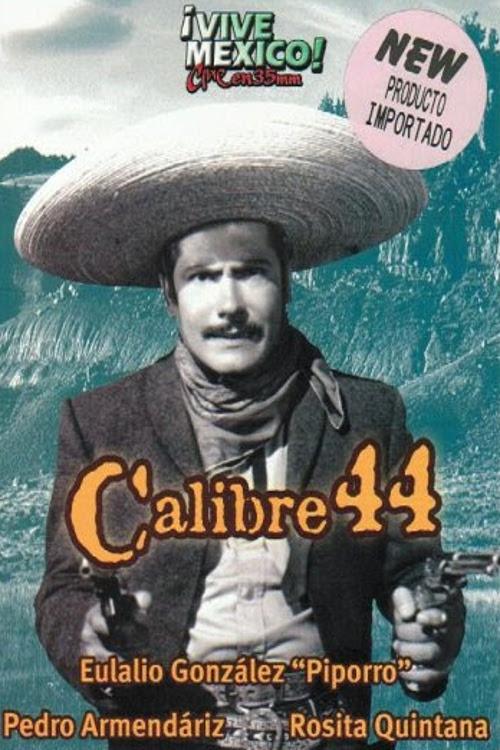
El indomable
1966
No user ratings available yet
Representation score: 2.8 out of 10
Representation Score
Minimal
1960
GDirector
Julián Soler
Runtime
96 minutes
Average Rating
No ratings yetNew Showbiz Analysis
Calibre 44 is a conventional Western melodrama that prioritizes traditional social and moral hierarchies. The story uses the cliché of separated twins to explore the dichotomy between lawlessness and domestic stability, reinforcing established genre expectations rather than subverting them. The film relies on archetypal character paths, focusing on male-driven conflict and the consequences of social deviation. While it offers a non-Anglo-Saxon perspective as a Mexican production, it remains rooted in the period's standard narrative structures. Ultimately, the work functions as a period-appropriate genre piece. It lacks intentional efforts to disrupt systemic power structures or provide diverse representation for underrepresented identities.
Category Breakdown
The film follows a strictly heterosexual and cisgender framework. There are no visible LGBTQ+ identities represented.
Gender roles conform to traditional 1960s conventions. The female character is passive and her death serves as a catalyst for the male protagonist's emotional journey.
As a Mexican production, the film features a non-Anglo-Saxon cast. Characters likely adhere to established regional archetypes common to the Western genre of this era.
The narrative emphasizes frontier values such as land ownership and family lineage. Traditional melodrama highlights the moral distinction between the outlaw and the civilized man.
There is no depiction of physical or neurodivergent disabilities within the story.
Present on Screen
Limited or Absent
Official Synopsis
The film tells the story of two twins separated in childhood who reunite when they are older. One of them has grown between outlaws and has become one of them, a murderous bandit who frightens the region. The other has grown, without knowing it, in exactly the ranch of the man who murdered his father and has become the loving foreman of the farmer's daughter, now deceased.
1966
1972
1957
1967

1958
1967
1966
1967
No reviews yet. Be the first to share your thoughts on this movie!
Use the rating form above to leave a star rating and optional review.