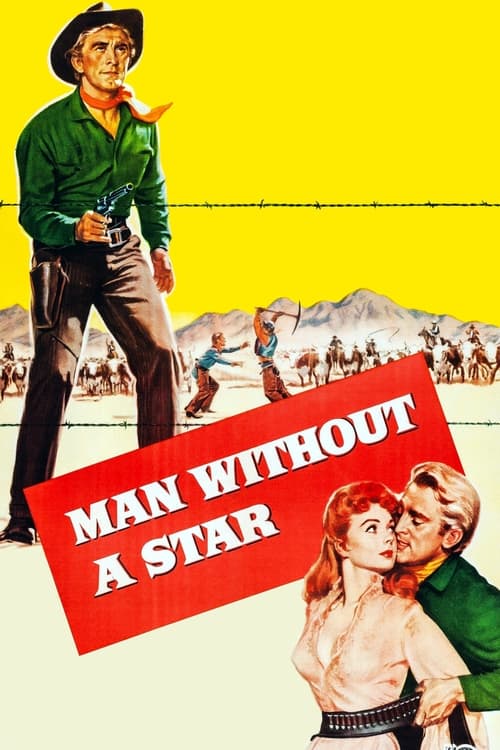
Man Without a Star
1955
No user ratings available yet
Representation score: 1.0 out of 10
Representation Score
Minimal
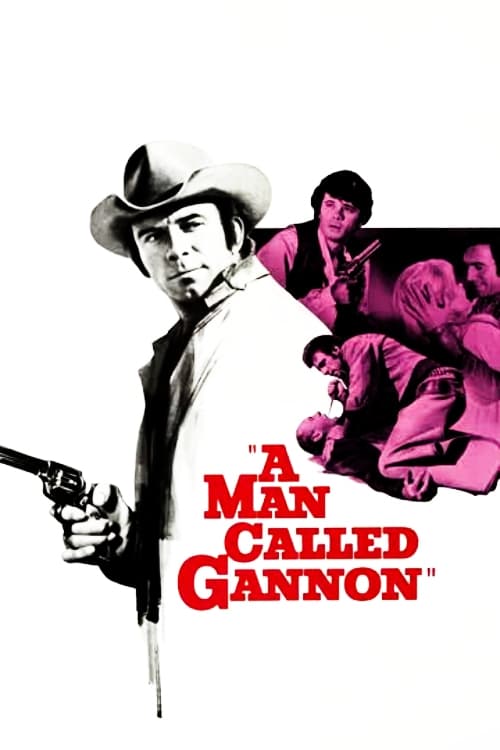
1968
ApprovedDirector
James Goldstone
Runtime
105 minutes
Average Rating
No ratings yetNew Showbiz Analysis
A Man Called Gannon is a conventional Western that adheres closely to the genre archetypes of the late 1960s. The story centers on rugged individualism and the ideological tension between a veteran cowboy and his protégé. The film prioritizes traditional masculine hierarchies and lacks visible signs of diverse representation. It leans into established genre clichés rather than challenging social hierarchies. Overall, the production reflects the era's focus on territorial conflict and male-centric mentorship, offering limited perspectives on diversity or systemic issues.
Category Breakdown
The film follows the typical conventions of the 1968 Western genre and does not include any non-conforming gender identities or narratives that question the assumption that everyone is straight or cisgender.
The story emphasizes the role of male protagonists through a mentorship relationship between an experienced cowboy and a younger novice. This reinforces traditional masculine hierarchies common to the time period.
The setting involves a range war, which in 1960s Westerns typically featured homogeneous white casts. There are no actively leading characters of color.
The narrative focuses on frontier justice and territorial disputes. It lacks any institutional critique and instead reinforces traditional views on property, law, and individual resilience.
There is no mention of characters with physical or neurodivergent disabilities.
Present on Screen
Limited or Absent
Official Synopsis
A seasoned cowboy takes a young tender-foot under his wing. They become embroiled in a range war, and end up on opposite sides.
1955
1957
1958
1967
1973
1967
1974
1966
No reviews yet. Be the first to share your thoughts on this movie!
Use the rating form above to leave a star rating and optional review.