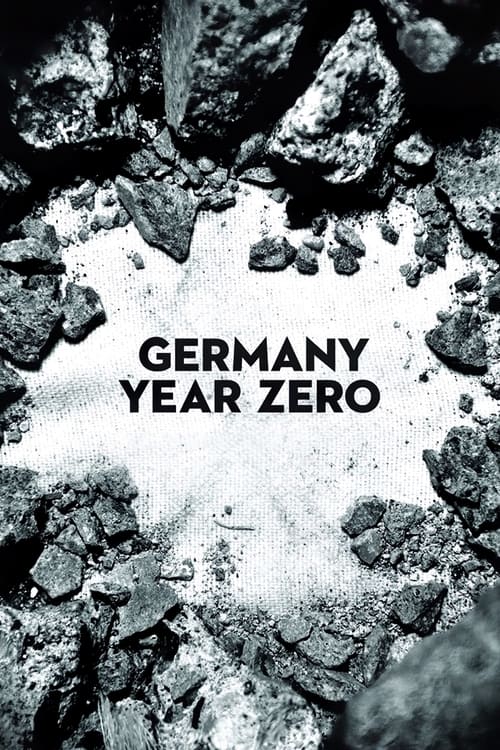
Germany, Year Zero
1948
No user ratings available yet
Representation score: 5.0 out of 10

Representation Score
Good
1946
Director
Gerhard Lamprecht
Runtime
80 minutes
Average Rating
No ratings yetNew Showbiz Analysis
This film is set in Berlin and explores the chaos and psychological impact on youth in a ruined city. It emphasizes the collapse of traditional authority and social order. The narrative prioritizes the immediate crisis faced by the population after the war. However, the film lacks explicit representation of diverse identities and backgrounds.
Category Breakdown
There are no explicit depictions of non-straight relationships or non-cisgender identities in the film.
The story focuses on male youth navigating the ruins of Berlin. Female characters highlight domestic disruptions but do not have detailed individual arcs.
The setting and cast likely reflect the demographic homogeneity of post-war Berlin. There is no indication of intentional racial diversity in the casting.
The film examines the breakdown of family and state stability through the lens of systemic harm. It critiques traditional institutions by focusing on characters living amidst ruins.
The film likely addresses the psychological trauma and displacement caused by war. However, it is unclear if these themes give characters a significant role in driving the story or if they are just plot devices.
Present on Screen
Limited or Absent
Official Synopsis
After WWII, Berlin lies in ruins. For Gustav, Willi and their friends the rubble provides an adventurous, dangerous playground. Especially for Gustav, it helps pass the time, as he longs for his father's return from a POW camp. One day a stranger arrives, looking helpless and hopeless.
1948
1949
1947
1980

1960
1949

1959

1946
No reviews yet. Be the first to share your thoughts on this movie!
Use the rating form above to leave a star rating and optional review.