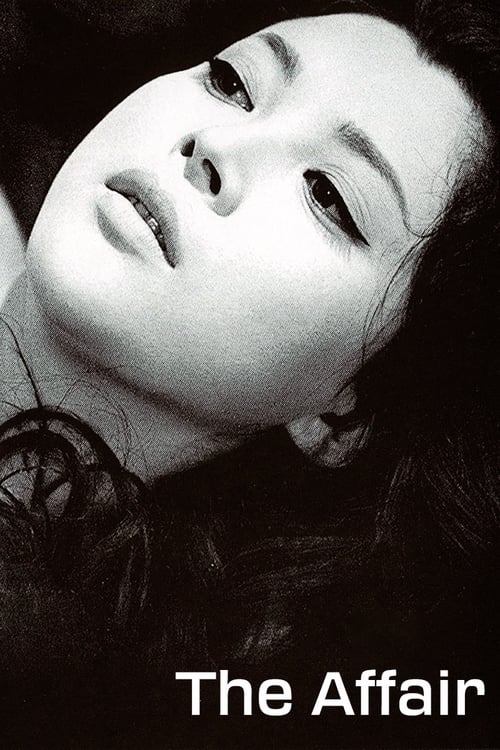
The Affair
1967
No user ratings available yet
Representation score: 6.4 out of 10

Representation Score
Fair
1976
Director
Masaru Konuma
Runtime
74 minutes
Average Rating
No ratings yetNew Showbiz Analysis
Tattooed Flower Vase functions as a character-driven drama that prioritizes individual ability to act over traditional domestic stability. It uses transgressive themes to challenge conventional social decorum and morality. The film successfully centers female desire and navigates complex social hierarchies. By focusing on the disruption of the 'respectable widow' archetype, it moves beyond simple genre clichés. However, the film lacks explicit representation of LGBTQ+ identities or disability. While it offers a strong non-Western cultural perspective, it remains focused on a specific, traditional Japanese social context.
Category Breakdown
The film explores unconventional relationships and blurred romantic boundaries. However, it does not explicitly confirm any queer identities.
Ms. Yoshino is shown who play a significant role in driving the story, making her own decisions and desires. The narrative challenges the passive widow stereotype by focusing on her personal impulses.
This Japanese production offers a non-Western perspective on romance and social hierarchy. It avoids Anglo-centric narrative norms.
The inclusion of a kabuki actor background adds a specialized cultural aesthetic. The story prioritizes subjective morality and personal desire over rigid social rules.
There is no evidence of physical or neurodivergent disability representation within the narrative.
Present on Screen
Limited or Absent
Official Synopsis
After losing her husband, a traditional puppet artisan has lived a life without love. However, her relationship with her daughter and the arrival of some dangerous acquaintances inevitably spark new curiosities in her mind and body.
1967
1951
1969

1976

1973

1978

1968

1982
No reviews yet. Be the first to share your thoughts on this movie!
Use the rating form above to leave a star rating and optional review.