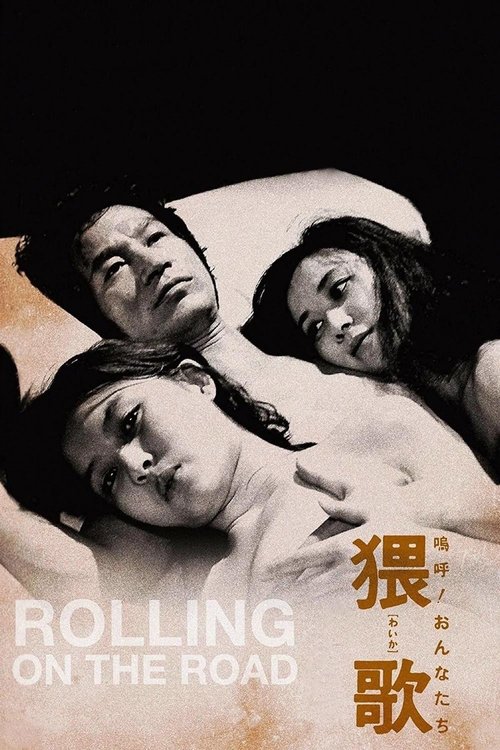
Rolling on the Road
1981
No user ratings available yet
Representation score: 6.5 out of 10
Representation Score
Fair
1981
Director
Masashi Yamamoto
Runtime
109 minutes
Average Rating
No ratings yetNew Showbiz Analysis
Masashi Yamamoto’s drama centers on individual rebellion. Following a singer who leaves her domestic life to explore Tokyo’s underground, the film challenges traditional social roles and the sanctity of the nuclear family. Though the film doesn’t explicitly address race or LGBTQ+ identities, it resonates with progressiveness by dismantling gendered expectations. It focuses on the complexities of living outside institutional norms. Ultimately, the work prioritizes existential exploration over traditional archetypes, emphasizing autonomy rather than diversity.
Category Breakdown
The film doesn't show explicit LGBTQ+ identities or same-sex intimacy. However, the setting hints at a place where conventional social rules might be less strict.
Kumi defies traditional feminine roles by rejecting nurturing duties and pursuing a self-directed lifestyle.
Given the time and location, the film probably has a mostly homogeneous cast. There's no indication of multi-ethnic or race-bent casting.
The film criticizes mainstream societal order by portraying traditional family structures as restrictive. It emphasizes personal freedom and subjective morality over institutional norms.
The narrative does not include characters dealing with physical or neurodivergent disabilities.
Present on Screen
Limited or Absent
Official Synopsis
The newly divorced singer Kumi is not too enthusiastic about life as a single mother. She drops her son to her ex-husband, leaving her band and embarks on a crazy tour of Tokyo's shadowy side.
1981
1957
1984
1976

1987

2008
1951

1980
No reviews yet. Be the first to share your thoughts on this movie!
Use the rating form above to leave a star rating and optional review.