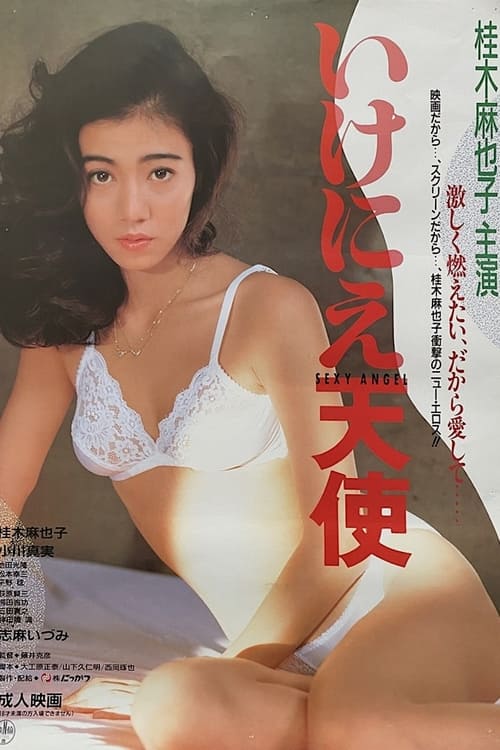
Ikenie tenshi
1988
No user ratings available yet
Representation score: 3.2 out of 10

Representation Score
Limited
1986
Director
Rokurō Mochizuki
Runtime
65 minutes
Average Rating
No ratings yetNew Showbiz Analysis
This film studies emotional alienation and psychological intimacy, moving away from mainstream romantic clichés. It focuses on characters defined by their relational fatigue and disillusionment. While offering a critique of traditional domestic stability, the narrative lacks demographic breadth and multi-layered complexity. Its strength lies in psychological realism rather than proactive representation of diverse demographics.
Category Breakdown
The film focuses on heterosexual relationships typical of the 1980s pink film genre, with no evidence of LGBTQ+ identities or narratives.
The narrative centers on the emotional journey of a broken-hearted woman, avoiding idealized gender roles while potentially reinforcing traditional views on emotional exhaustion.
The production features an all-Japanese cast within a homogeneous demographic, with no evidence of diverse racial backgrounds or subverted ethnic casting.
The story explores moral relativism through themes of divorce and heartbreak, critiquing the stability of conventional social and domestic institutions.
There is no evidence of characters with physical or neurodivergent disabilities within the film's context.
Present on Screen
Limited or Absent
Official Synopsis
A broken hearted young woman meets a divorced older man tired of love.
1988
1961
2008

1971

1997

2009
1998
2006
No reviews yet. Be the first to share your thoughts on this movie!
Use the rating form above to leave a star rating and optional review.