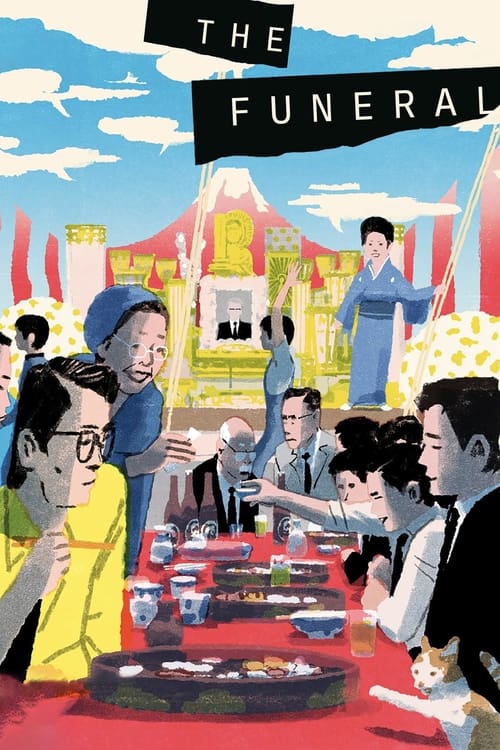
The Funeral
1984
No user ratings available yet
Representation score: 5.9 out of 10

Representation Score
Good
2006
Director
Tetsuya Nakashima
Runtime
130 minutes
Average Rating
No ratings yetNew Showbiz Analysis
Tetsuya Nakashima’s film is a stylized, postmodern deconstruction of a life cycle, using a musical aesthetic to explore systemic social failures. It prioritizes identity-driven struggle and moral relativism over traditional storytelling. The work excels in its cultural critique, challenging the stability of the family unit and the emptiness of capitalism. It portrays the protagonist's descent into socioeconomic precarity as a response to systemic loneliness. However, the film is limited by its narrow focus on destructive heterosexual relationships and a relatively homogeneous social landscape. While it explores psychological depth, it lacks significant LGBTQ+ representation.
Category Breakdown
The film lacks prominent LGBTQ+ characters or explorations of non-straight identities. The narrative focuses on destructive heterosexual relationships.
Matsuko challenges traditional gender roles through her intense, self-destructive behavior. The film avoids framing her actions through typical feminine virtues.
Set in a contemporary Japanese context, the film depicts a relatively homogeneous social landscape. It avoids idealizing national identities, focusing on the underrepresented underbelly of society.
The film critiques established social institutions and the traditional family unit. It explores the individual's struggle against an oppressive social order and consumerist emptiness.
The film provides a nuanced look at mental health and emotional instability. Matsuko’s psychological state and emotional volatility are portrayed with significant depth.
Present on Screen
Limited or Absent
Official Synopsis
While combing through the belongings of his recently deceased aunt, Matsuko, nephew Sho pieces together the crucial events that sank Matsuko's life into a despairing tragedy.
1984

2011

2010

2018

1999

2004
2003

2008
No reviews yet. Be the first to share your thoughts on this movie!
Use the rating form above to leave a star rating and optional review.