
Kabukicho Love Hotel
2014
No user ratings available yet
Representation score: 7.7 out of 10
Representation Score
Fair
1988
Director
Shusuke Kaneko
Runtime
78 minutes
Average Rating
No ratings yetNew Showbiz Analysis
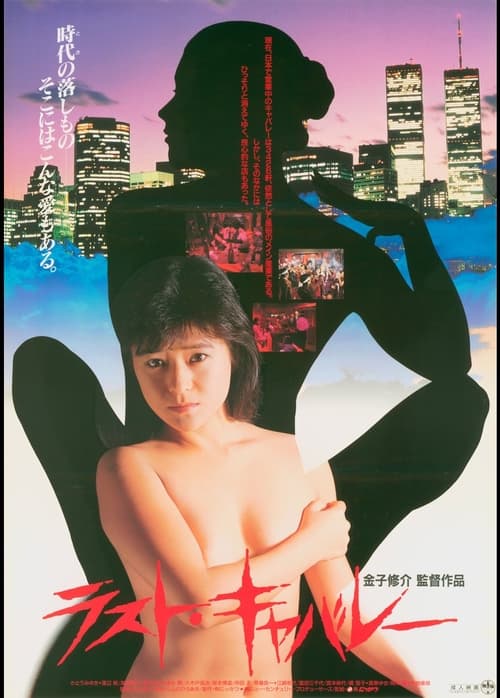
Last Cabaret offers a focused, character-driven study of gender and institutional change. By centering on a high school girl's coming-of-age within the erotic nightclub industry, the film explores female subjectivity during a period of transition. While the film lacks broad demographic inclusivity or explicit LGBTQ+ representation, it succeeds in providing a nuanced look at the dissolution of traditional social structures. The narrative uses the decline of Nikkatsu studios as a backdrop for emotional exploration. Ultimately, the film reflects the specific cultural and demographic realities of late-1980s Japan, prioritizing a bittersweet, allegorical perspective over modern global diversity standards.
Category Breakdown
The cabaret setting implies a space for diverse human expression and non-traditional social interactions. However, there is no explicit confirmation of LGBTQ+ narratives or specific representation of queer individuals.
The story centers on a female protagonist navigating a male-dominated industry. This framework highlights the female perspective and her internal emotional journey.
The film operates within a culturally homogeneous framework typical of 1988 Japanese productions. It focuses on the decline of a specific domestic cinematic institution.
The narrative acts as an allegorical requiem for a fading era. It prioritizes emotional truth and the passage of time over the preservation of traditional industrial structures.
There is no information regarding the inclusion of characters with physical, sensory, or neurodivergent disabilities.
Present on Screen
Limited or Absent
Official Synopsis
A bittersweet coming-of-age story of a high school girl, her father and the end of an erotic night club. An allegorical requiem for Nikkatsu studios.
2014
1958
1958

2006

1983

1970

2015
1972
No reviews yet. Be the first to share your thoughts on this movie!
Use the rating form above to leave a star rating and optional review.