Samurai II: Duel at Ichijoji Temple
1955
No user ratings available yet
Diversity score: 3.3 out of 10
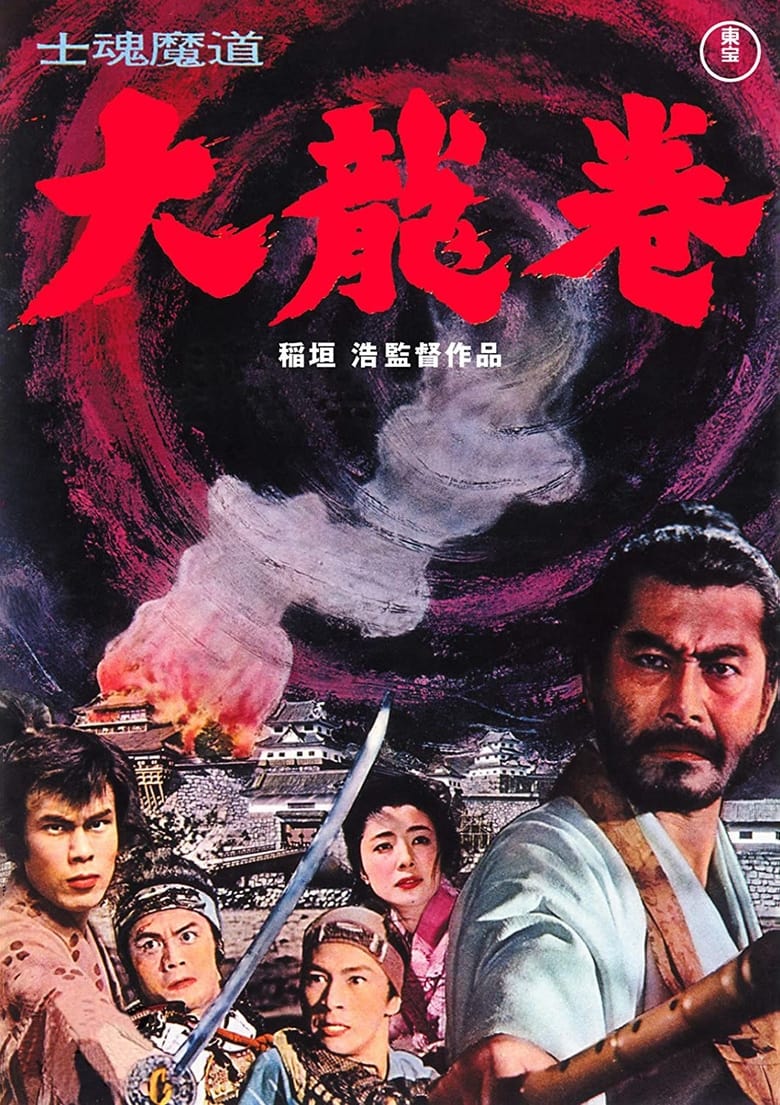
1964
Director
Hiroshi Inagaki
Runtime
106 minutes
Average Rating
No ratings yetSynopsis
Set at the end of the Siege of Osaka this film follows the exploits of several members of the defeated Toyotomi clan as they cope with the post battle chaos and the persecution of the Shogun's army. Five samurai decide on different fates when it becomes clear that their side is being destroyed. One wants to attack the enemy head on in a final honorable death. Another decides to commit hari-kiri but wants to find a glorious view to do it. His close friend, the "coward", just wants to run and give up the life of a samurai. The final two set their own castle on fire to garner favors from the enemy and therefore avert their own death during the massacre of all defeated soldiers as
Overall Score
Limited
Category Breakdown
LGBTQ+ Representation
The film focuses on traditional masculine archetypes of the samurai class. There is no evidence of LGBTQ+ characters or narratives that critique heteronormativity.
Gender Representation
The narrative centers almost exclusively on the male experience of the samurai class. It reinforces traditional masculine hierarchies through five male protagonists, with no indication of female agency.
Racial & Ethnic Diversity
The cast is ethnically homogeneous, reflecting the historical reality of feudal Japan. The film functions as a study of a specific cultural group rather than an intersectional exploration.
Religious & Cultural Diversity
The story explores the tension between rigid social codes and individual survival. It examines the breakdown of the Toyotomi clan and the disruption of the Bushido code.
Disability Representation
There is no evidence regarding the inclusion or portrayal of characters with physical or neurodivergent disabilities.
Strengths
Areas for Improvement
AI Analysis
Whirlwind is a period-specific historical drama that examines the deconstruction of samurai identity during the Siege of Osaka. The film provides a nuanced look at individual agency versus systemic collapse, particularly through characters who choose survival over institutionalized honor. However, the film operates within a strictly traditional demographic lens. It remains a character study of a historically homogeneous social class, lacking engagement with modern intersectional frameworks or diverse identities. While the film offers psychological depth regarding duty and honor, it does not extend its scope to include varied gender, sexual, or physical representations.
1955
1963

1956
1961
1969
1970
1962

1966
1954
No reviews yet. Be the first to share your thoughts on this movie!
Use the rating form above to leave a star rating and optional review.