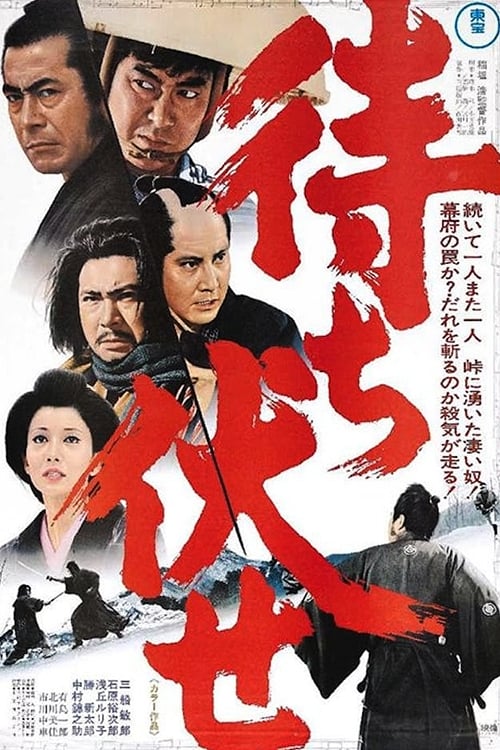
Incident at Blood Pass
1970
No user ratings available yet
Representation score: 3.9 out of 10
Representation Score
Good
1959
Director
Hiroshi Inagaki
Runtime
111 minutes
Average Rating
No ratings yetNew Showbiz Analysis
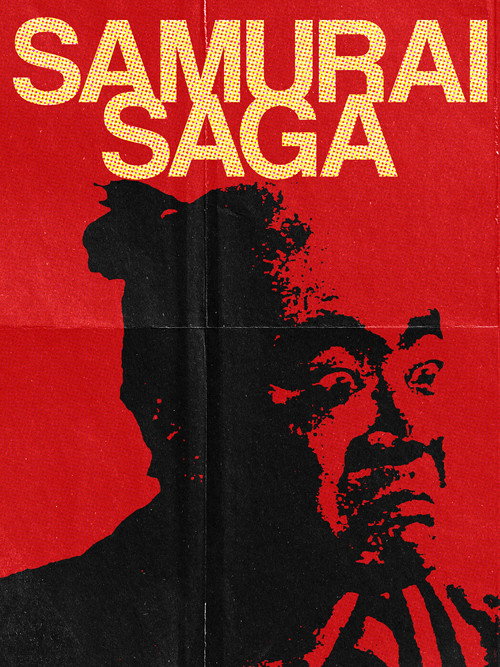
Samurai Saga is a sophisticated cross-cultural adaptation that reimagines a Western literary framework through a Japanese lens. By focusing on a poet-warrior, the film shifts the emphasis from physical dominance to emotional vulnerability and poetic expression. While the film adheres to the traditional social hierarchies of the samurai era, it challenges standard action clichés. The narrative structure prioritizes the internal conflicts of its characters over mere spectacle, offering a deeper look at the human condition. Ultimately, the work remains tied to the classical storytelling conventions of the 1950s. It succeeds in providing character depth and cultural synthesis, even while operating within established period drama structures.
Category Breakdown
The film examines unrequited love and the sacrifice of identity through a poetic lens. Though it doesn't explicitly feature LGBTQ+ identities, the theme of loving from the shadows provides a nuanced exploration of intimacy.
The female lead plays a crucial role, influencing the male characters significantly. The narrative challenges traditional warrior stereotypes by highlighting emotional intelligence and the lady's choice in selecting her partner.
This Japanese production avoids a Western-centric viewpoint by transplanting a French classic into a Japanese historical context. This approach allows for a non-Anglo-Saxon perspective on universal human experiences.
The story explores the tension between strict samurai social hierarchies and the expressive nature of the artist. It focuses on subjective morality and the conflict between duty and personal desires.
The protagonist's large nose symbolizes social inadequacy and inner greatness. However, the film risks using this physical difference primarily as a tool for evoking pity and isolation.
Present on Screen
Limited or Absent
Official Synopsis
Edmund Rostand's play Cyrano de Bergerac, transplanted to Japan. A poet-warrior with an oversized nose (matched only by his great heart) loves a lady. But she sees him only as a friend, so he helps another man to woo her by giving him the poetry of his own heart.
1970
1955
1967

1964
1965
2021
1965
1994
No reviews yet. Be the first to share your thoughts on this movie!
Use the rating form above to leave a star rating and optional review.