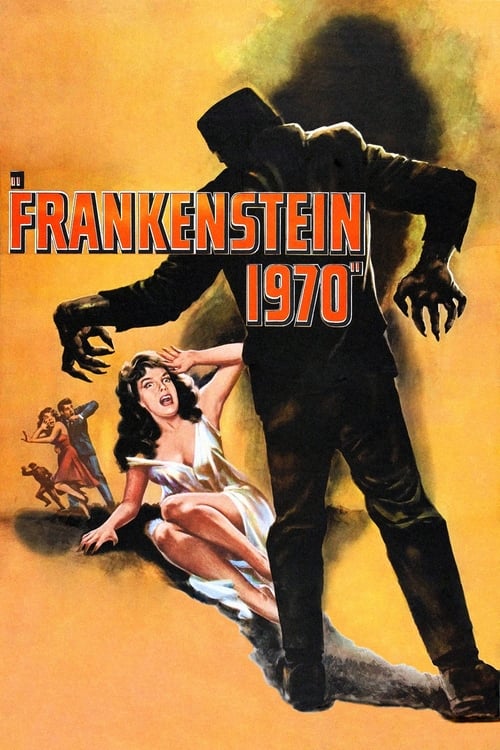
Frankenstein 1970
1958
No user ratings available yet
Representation score: 1.5 out of 10

Representation Score
Fair
1965
UnratedDirector
Ishirō Honda
Runtime
90 minutes
Average Rating
No ratings yetNew Showbiz Analysis
Ishirō Honda’s work uses the kaiju genre to explore post-war trauma and the dangers of scientific overreach. The film succeeds by centering a non-Western perspective, offering a meaningful departure from 1960s Hollywood sci-fi clichés through its authentic Japanese setting. However, the film remains bound by the era's social hierarchies. It relies on traditional gender roles and treats its central biological anomaly as a tool for conflict rather than a character study. Ultimately, the film's strength lies in its cultural authenticity and its sophisticated handling of the devastation caused by global conflict.
Category Breakdown
The film does not include any LGBTQ+ characters or explore non-straight relationships. It follows traditional social and cinematic conventions from 1960s Japanese genre cinema.
The narrative focuses on male scientists and military figures who have significant roles in driving the story. Women appear as part of the survivor community but mostly play passive roles without influencing the plot.
The film features a predominantly Japanese cast, providing culturally authentic representation. It successfully centers a non-Western perspective within a genre often dominated by American clichés.
The story explores themes of systemic destruction and the fragility of civilization. It critiques the consequences of global warfare by centering on the aftermath of Hiroshima.
The Frankenstein creature is a biological anomaly used primarily as a plot device. The narrative lacks a nuanced exploration of the character's unique physical existence.
Present on Screen
Limited or Absent
Official Synopsis
During WWII, Germans obtain the immortal heart of Frankenstein's monster and transport it to Japan to prevent it being seized by the Allies. Kept in a Hiroshima laboratory, it is seeming lost when the United States destroys the city with the atomic bomb. Years later a wild boy is discovered wandering the streets of the city alone, born of the immortal heart.
1958
1969

1957

1974
1990
1956

1956
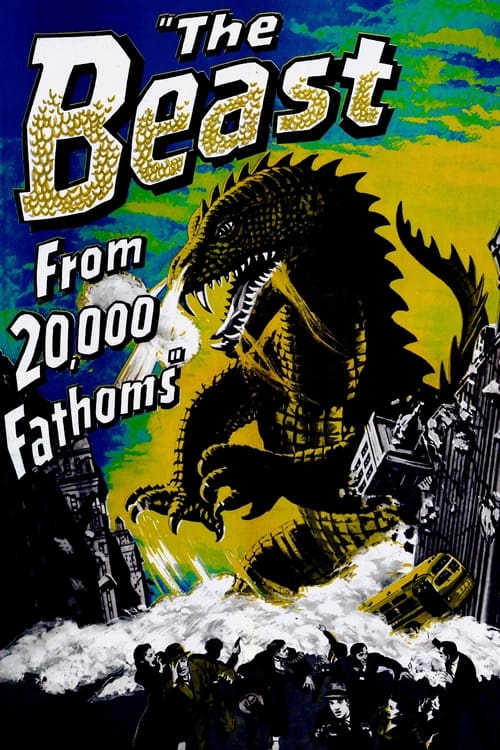
1953
No reviews yet. Be the first to share your thoughts on this movie!
Use the rating form above to leave a star rating and optional review.