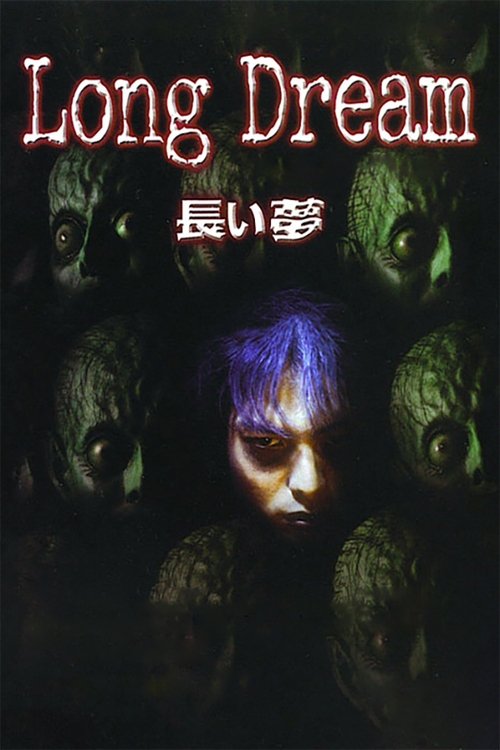
Long Dream
2000
No user ratings available yet
Representation score: 5.9 out of 10
Representation Score
Good
2001
RDirector
Ten Shimoyama
Runtime
85 minutes
Average Rating
No ratings yetNew Showbiz Analysis
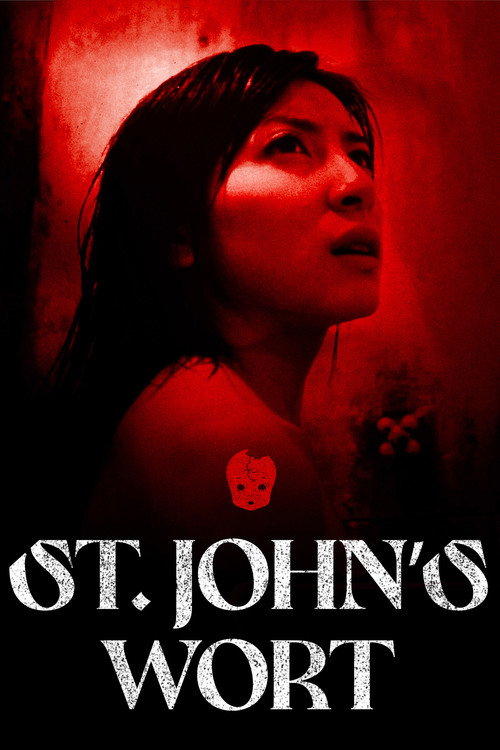
St. John's Wort functions as a psychological horror piece centered on women's ability to drive the story and fractured identity. The narrative follows Nami, an artist translating subconscious visions into digital media, which provides a moderate subversion of typical gendered horror clichés. While the film offers a non-Western perspective as a Japanese production, it lacks the specific markers or diverse ethnic groupings needed for a higher score. The themes of memory and identity are compelling but remain largely internal. Ultimately, the film occupies a neutral space. It avoids many patriarchal clichés by centering a woman's creative process, yet it lacks explicit representation of LGBTQ+ identities or clear depictions of disability as a lived experience.
Category Breakdown
The film focuses on the professional relationship between Nami and a game producer. There is no explicit depiction of LGBTQ+ identities or non-straight relationships.
Nami serves as a central protagonist whose creative influence drives the plot. The story prioritizes her internal psychological landscape over traditional male-driven horror conflicts.
As a Japanese production, the film establishes a non-Western cultural baseline. However, the narrative lacks specific details regarding the overlapping aspects of the cast's identities.
The story explores subjective reality and the instability of memory through dream logic. It avoids traditional moralities but lacks clear evidence of specific systemic critiques.
Nami experiences intrusive visions and potential dissociative states. It remains unclear if these neurodivergent-coded experiences are portrayed with real impact or used as supernatural devices.
Present on Screen
Limited or Absent
Official Synopsis
Nami has been creating artwork for a new video game based on images she's been seeing in her dreams. With one of the game producers, she travels out to an abandoned house that seems to match her visions. As they explore the old mansion, Nami begins to have more visions of a forgotten childhood, until at last she comes across a photo of twin infants, labelled "Nami" and "Naomi". As Nami and the producer go from room to room, an unseen person seems to be watching them from a hidden room.
2000

2015
2021
1977
2013

2021
2006
1987
No reviews yet. Be the first to share your thoughts on this movie!
Use the rating form above to leave a star rating and optional review.