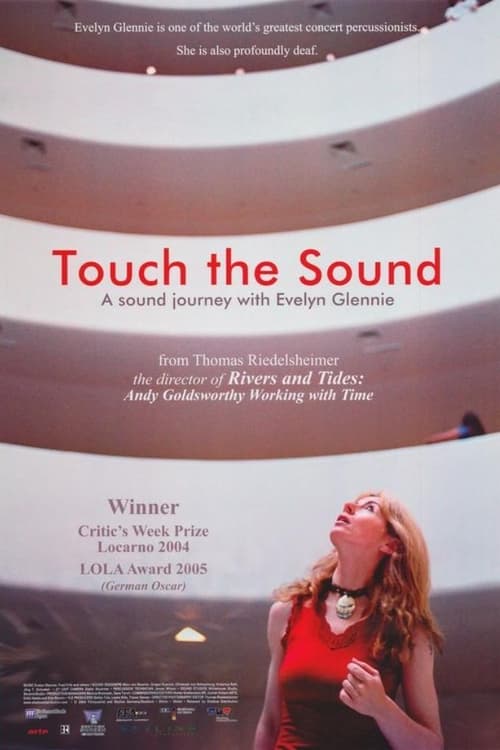
Touch the Sound
2004
No user ratings available yet
Diversity score: 7.1 out of 10
1999
NRDirector
Roko Belic
Runtime
87 minutes
Average Rating
No ratings yetSynopsis
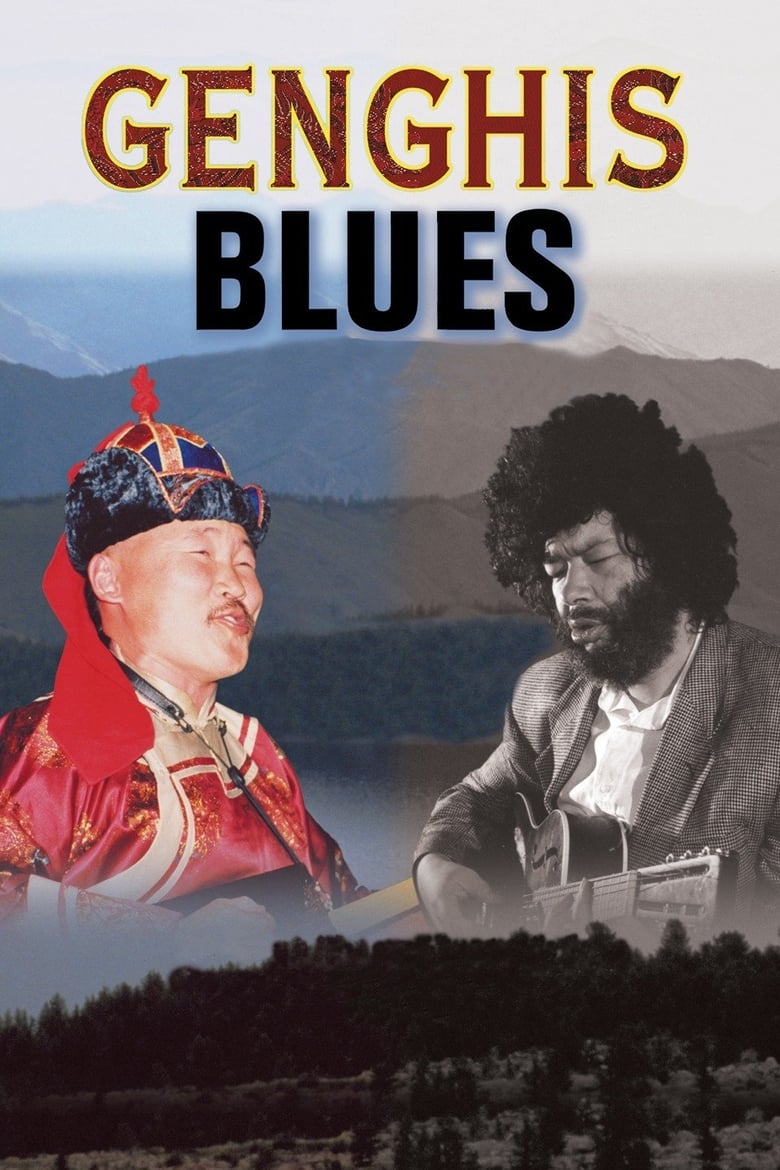
Blind blues musician Paul Pena is perhaps best known for his song "Jet Airliner". In 1993, Pena heard Tuvan throat singing over his shortwave radio and subsequently taught himself how to reproduce these extraordinary sounds. This documentary follows him to Tuva, where he takes part in a throat singing competition. Languages featured in the film include English, Russian and Tuvan.
Overall Score
Good
Category Breakdown
LGBTQ+ Representation
The film focuses on the musical and spiritual connection between Paul Pena and Tuvan singers. It lacks explicit depictions of LGBTQ+ identities or non-heteronormative relationship dynamics.
Gender Representation
The narrative emphasizes a male-centric pursuit of musical mastery. The plot's agency is centered on male subjects through competitive throat singing and blues performance.
Racial & Ethnic Diversity
The film disrupts Western-centric norms by centering Tuvan and Mongolian musical traditions. It grants high agency to ethnic minority subjects and features English, Russian, and Tuvan languages.
Religious & Cultural Diversity
The documentary facilitates a dialogue between Western blues and Central Asian traditions. It frames Tuvan culture as a complex art form rather than a tourist spectacle.
Disability Representation
Paul Pena’s blindness is integrated into his musical identity rather than used for pity. His mastery of throat singing demonstrates agency through cognitive adaptation and auditory learning.
Strengths
Areas for Improvement
AI Analysis
Genghis Blues succeeds by centering a profound cross-cultural exchange between American blues and Tuvan throat singing. It avoids the typical 'tourist gaze' by allowing local musicians to drive the narrative, providing a nuanced look at a culture often marginalized in Western media. The film's greatest strength lies in its intersectional approach, specifically how it portrays disability. Paul Pena is depicted through his specialized skills and sensory adaptations rather than through the lens of limitation or pity. However, the documentary remains somewhat traditional in its social scope. The narrative architecture follows a conventional path of male achievement, resulting in a lack of diverse gender dynamics or explicit LGBTQ+ representation.
2004

1963
2011
2017
2010
2005

1985

2020
2020
1986
1990
2015
No reviews yet. Be the first to share your thoughts on this movie!
Use the rating form above to leave a star rating and optional review.