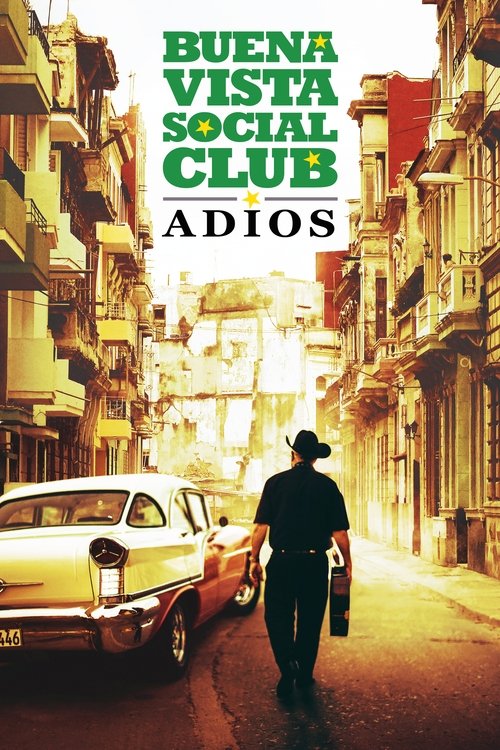
Buena Vista Social Club: Adios
2017
No user ratings available yet
Representation score: 4.5 out of 10
Representation Score
Excellent
2020
TV-14Director
Varda Bar-Kar
Runtime
93 minutes
Average Rating
No ratings yetNew Showbiz Analysis
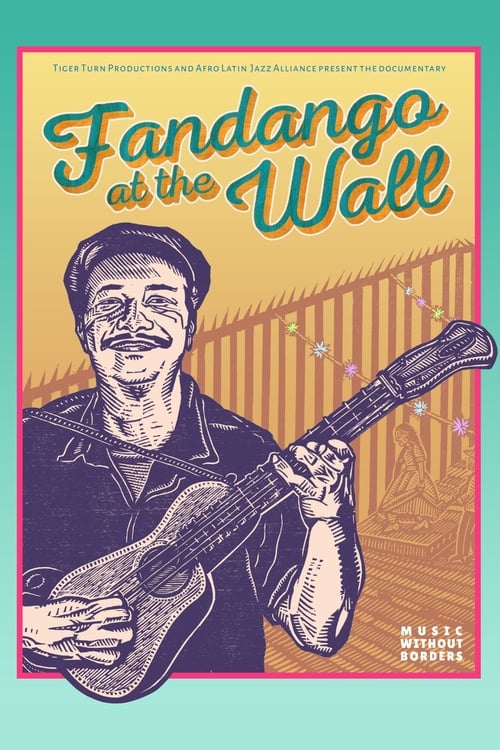
Fandango at the Wall is a rhythmic exploration of intersecting identities that uses music to break down political barriers. By centering the Afro-Latin Jazz Orchestra and son jarocho traditions, the film redefines the U.S.-Mexico border as a space for cultural blending rather than division. The documentary succeeds by challenging the dominance of the nation-state through the lens of Afro-Latin heritage. It shifts the focus from geopolitical narratives to a humanistic, community-driven perspective that celebrates collective action. While the film effectively explores racial and cultural resilience, it remains less focused on specific LGBTQ+ or disability-related narratives. It primarily serves as a critique of systemic structures through musical connections.
Category Breakdown
The film emphasizes ethnicity, music, and migration rather than focusing on LGBTQ+ narratives. Though it doesn't have explicit LGBTQ+ character arcs, the themes of community fluidity provide a subtle message of inclusivity.
Women are portrayed as key figures in cultural preservation and humanitarian work. The film avoids passive stereotypes, giving women significant roles in activist and musical communities.
The documentary highlights Afro-Latin identity and son jarocho traditions. It elevates Black and Brown cultural heritage, using music to explore post-colonial themes and community resilience.
The narrative critiques Western institutions and state sovereignty by presenting the border as a barrier to human rights. It prioritizes non-Western musical traditions over nationalistic political structures.
The film lacks specific portrayals of neurodivergence or visible disabilities. However, it touches on human vulnerability and the physical toll experienced by those in precarious socioeconomic positions.
Present on Screen
Limited or Absent
Official Synopsis
Follow New York City maestro Arturo O’Farrill, Afro Latin Jazz Orchestra founder, to Veracruz, Mexico where he meets up with the masters of a 300-year-old folk music tradition called son jarocho and then joins them for a historical music festival called “Fandango Fronterizo” that takes place simultaneously on both sides of the United States-Mexico border transforming the wall from an object that divides to one that unites.
2017
2018
2019
2016
2020
1999
1979
1976
No reviews yet. Be the first to share your thoughts on this movie!
Use the rating form above to leave a star rating and optional review.