
Wild Combination: A Portrait of Arthur Russell
2008
No user ratings available yet
Representation score: 6.4 out of 10
Representation Score
Excellent
2011
Director
Eduardo Coutinho
Runtime
91 minutes
Average Rating
No ratings yetNew Showbiz Analysis
Eduardo Coutinho’s documentary emphasizes individual encounters over authoritative narratives, treating personal memory as a valid historical record. It elevates the voices of the Brazilian working class and rural areas, moving away from elite-driven perspectives towards a more democratic format. However, the film’s focus on universal human experiences can result in a lack of specific representation for LGBTQ+ and disability-related narratives.
Category Breakdown
The film does not have explicit representations of LGBTQ+ identities or non-cisgender identities. Personal stories might hint at queer truths, but there is no direct representation of these identities.
Women play a significant role in shaping their own emotional journeys. The film avoids traditional hierarchies by placing women on equal footing with the director.
The documentary highlights the voices of Brazil's working class and rural populations, offering a rich perspective on the intersection of regional and socioeconomic identities.
The narrative focuses on personal truth and secular humanism, favoring a flexible understanding of reality over collective religious traditions.
The film does not include characters with visible or invisible disabilities. It centers on universal emotional themes such as loss and regret.
Present on Screen
Limited or Absent
Official Synopsis
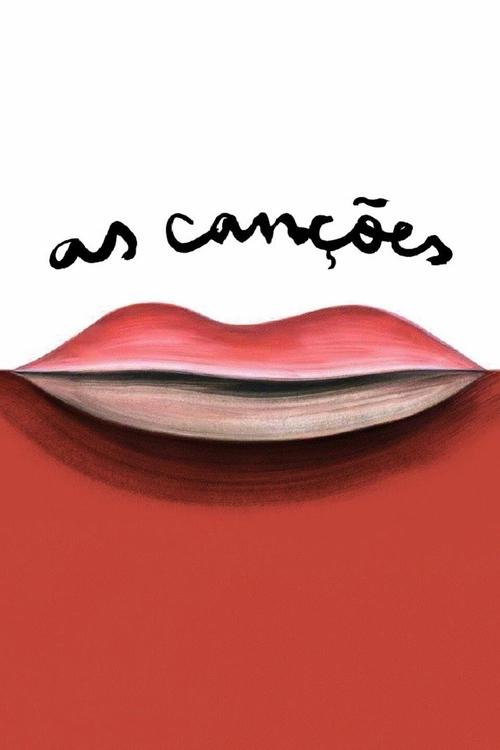
Simple, emotionally compelling documentary that delves into the songs that hold meaning in people's lives. It is composed of 18 sessions where the director engages his subjects in conversation about the song they picked. The end product is deeply personal stories about music and its intimate connection to memory, love, loss, self-discovery, regret, death, and life.
2008
2016
2014
2018

2017
2021
2022
2021
No reviews yet. Be the first to share your thoughts on this movie!
Use the rating form above to leave a star rating and optional review.