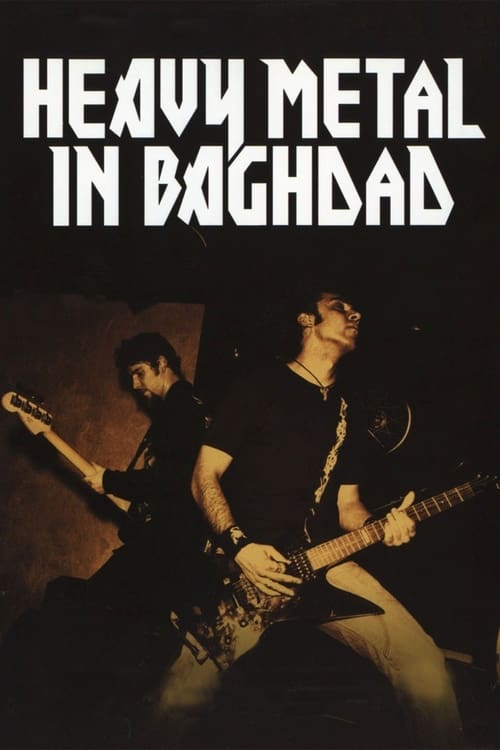
Heavy Metal in Baghdad
2007
No user ratings available yet
Representation score: 4.5 out of 10
Representation Score
Excellent
2010
PG-13Director
Florent de La Tullaye, Renaud Barret
Runtime
86 minutes
Average Rating
No ratings yetNew Showbiz Analysis
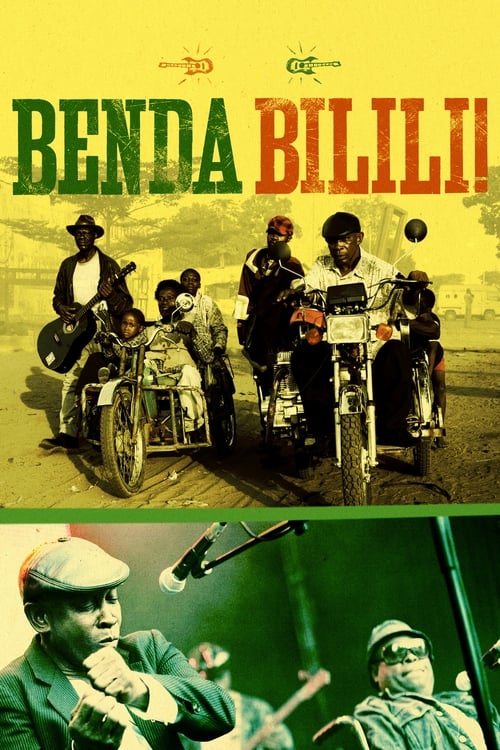
Benda Bilili! is a powerful piece of observational cinema that centers on the self-determination of Congolese musicians. By focusing on the 'stars of the ghetto,' the film successfully shifts the narrative lens away from Western-centric perspectives toward authentic, local ability to act. While the documentary lacks explicit focus on LGBTQ+ identities or specific disability narratives, it achieves significant progressive value through its depiction of racial and cultural depth. It frames the struggle of underrepresented youth as a systemic reality rather than a moral failing. Ultimately, the film succeeds by presenting a complex, multi-layered view of creativity and survival outside of traditional institutional frameworks.
Category Breakdown
The film highlights the musical and communal aspirations of a street-based ensemble. However, there are no central LGBTQ+ character arcs or non-cisgender identities in the narrative.
The narrative centers on the roles of band members and street children. Despite a male-dominated environment, the protagonists redefine social standing through music, challenging traditional hierarchies.
The film excels by focusing on Congolese musicians and street children. It avoids the Western perspective, allowing characters of color to drive their own narrative with significant influence.
The story critiques the failures of formal institutions by highlighting the lives of ghetto stars. It emphasizes communal resilience and a non-Western viewpoint on social organization.
The portrayal of street children involves navigating the physical and neurodivergent stresses of survival. The film focuses on functional ability to act rather than falling into the trap of inspiration porn.
Present on Screen
Limited or Absent
Official Synopsis
Ricky has a dream: to make Staff Benda Bilili the best band in Congo Kinshasa. Roger, a street child, more than ever wants to join these stars of the ghetto, who get around in customized tricycles. Together, they must avoid the pitfalls of the street, stay united and find the force to hope in music. For six years, from the first rehearsals to their triumph in international festivals, BENDA BILILI! (“beyond appearances”) is the story of this dream come reality.
2007
1999
2017
2004
2010
2008
2011
2022
No reviews yet. Be the first to share your thoughts on this movie!
Use the rating form above to leave a star rating and optional review.