Quincy
2018
No user ratings available yet
Representation score: 6.2 out of 10
Representation Score
Excellent
2020
Not RatedDirector
James Erskine
Runtime
96 minutes
Average Rating
No ratings yetNew Showbiz Analysis
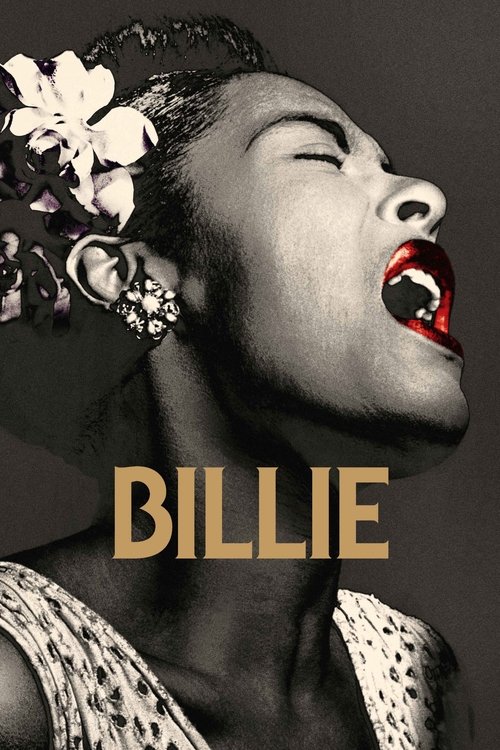
Billie (2020) succeeds by centering the lived experience of a Black woman against a backdrop of systemic oppression. It avoids sanitizing Holiday's life, instead presenting a complex, multi-layered portrait of her identity and resilience using unreleased interview tapes. The documentary excels in its critique of institutional power, specifically how state-level targeting and racial segregation shaped the lives of Black artists. However, the film's focus is narrow in certain areas. While it handles the complexities of addiction with nuance, it lacks depth regarding LGBTQ+ identities and remains primarily focused on the intersection of race, gender, and legal struggle.
Category Breakdown
The film focuses on Holiday's professional life and personal relationships but does not delve deeply into LGBTQ+ identities or queer-coded narratives.
The documentary highlights Holiday's exercise of autonomy as a woman in a male-dominated industry. It portrays her as taking charge despite significant social pressures.
This is a profound exploration of the Black experience in mid-20th-century America. It examines how systemic racism and segregation affected Black musicians.
The narrative critiques Western legal and narcotics enforcement systems, framing them as tools used to target underrepresented individuals.
The film offers a raw look at the realities of addiction. It treats Holiday's struggle with narcotics as a central, complex part of her biography.
Present on Screen
Limited or Absent
Official Synopsis
‘Lady Day’ was one of the greatest jazz vocalists the world ever heard. In 1971, journalist Linda Lipnack Kuehl set out to write the definitive biography of Billie Holiday. Before her mysterious death in 1978, Lipnack Kuehl had taped over 200 hours of interviews. The tapes have never been heard. Now they form the basis of an atmospheric, multi-layered documentary that captures the many complex facets of a proud black woman, violent drug addict, loyal friend, vindictive lover and unforgettable singer of ‘God Bless The Child’, ‘Saddest Tale’ and the haunting ‘Strange Fruit’.
2018
2021
2015
2015

2013
2017
2021
2015
No reviews yet. Be the first to share your thoughts on this movie!
Use the rating form above to leave a star rating and optional review.