The Blues Accordin' to Lightnin' Hopkins
1968
No user ratings available yet
Representation score: 2.7 out of 10
Representation Score
Good
1985
Not RatedDirector
Terry Zwigoff
Runtime
60 minutes
Average Rating
No ratings yetNew Showbiz Analysis
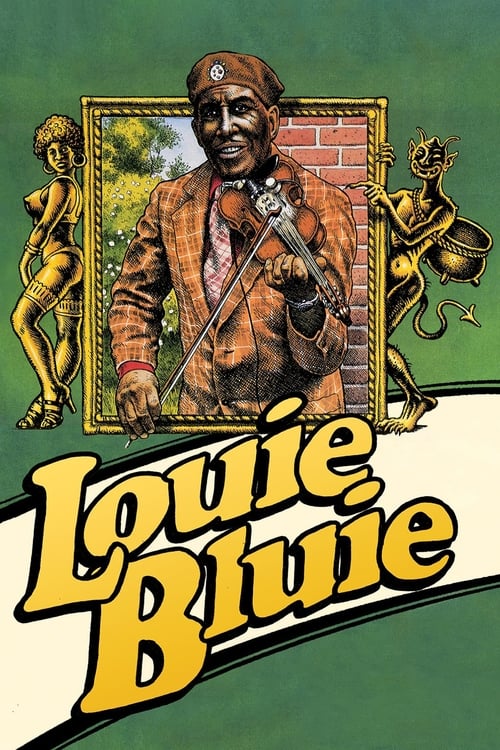
Terry Zwigoff’s debut is a focused character study that finds value in the lesser-known aspects of pop culture. The film excels in its exploration of Black musical traditions, providing a platform for the recognition of Black string band history. While the documentary offers a respectful and unemotional tribute to Howard Armstrong, its narrow focus on a single biography limits its broader impact. The narrative is heavily centered on a single male perspective, which restricts the exploration of gendered dynamics or diverse identity issues. Ultimately, the film celebrates individuality while avoiding the pitfalls of mainstream clichés by treating its subject's unique lifestyle with respect, despite the lack of broader representation across other social categories.
Category Breakdown
The film focuses solely on the life of Howard Armstrong and does not include any explicit LGBTQ+ representation or hints at queer themes. Its narrative remains focused on a typical biography without specific LGBTQ+ references.
The documentary centers on the experiences of a single male subject, emphasizing his unique personality and individual story. It does not delve deeply into the dynamics of gender or power structures related to gender identity.
By highlighting the life of Howard Armstrong, a member of the last known Black string band, the film underscores important Black musical traditions. Armstrong's significant role and mastery challenge the historical neglect of Black cultural contributions.
The film celebrates a life lived outside conventional societal norms, focusing on personal truth and individual memory. It prioritizes subjective experiences over institutional or religious doctrines.
Armstrong's eccentricity is portrayed with dignity, not used as a plot device. His unique personality is shown as a source of strength and ability to act, rather than being mocked.
Present on Screen
Limited or Absent
Official Synopsis
Crumb director Terry Zwigoff’s first film is a true treat: a documentary about the obscure country-blues musician and idiosyncratic visual artist Howard “Louie Bluie” Armstrong, member of the last known black string band in America. As beguiling a raconteur as he is a performer, Louie makes for a wildly entertaining movie subject, and Zwigoff honors him with an unsentimental but endlessly affectionate tribute. Full of infectious music and comedy, Louie Bluie is a humane evocation of the kind of pop-cultural marginalia that Zwigoff would continue to excavate in the coming years.
1968
2018
1992
2021
2003
1995
1971
1999
No reviews yet. Be the first to share your thoughts on this movie!
Use the rating form above to leave a star rating and optional review.