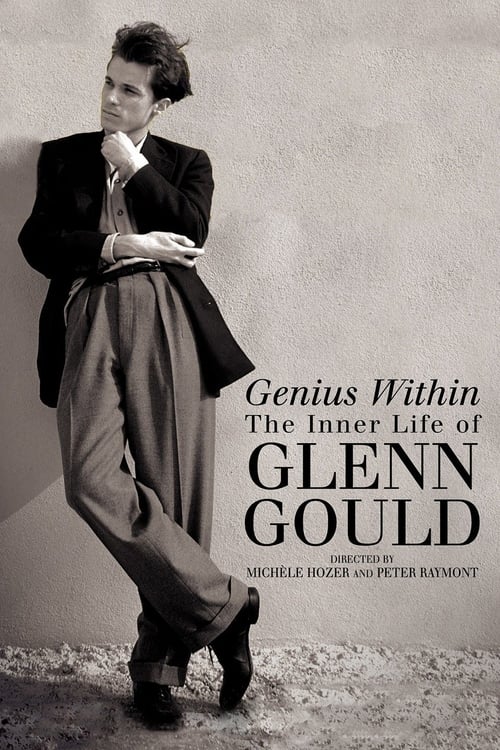
Genius Within: The Inner Life of Glenn Gould
2009
No user ratings available yet
Representation score: 3.9 out of 10
Representation Score
Excellent
2004
Not RatedDirector
Thomas Riedelsheimer
Runtime
99 minutes
Average Rating
No ratings yetNew Showbiz Analysis
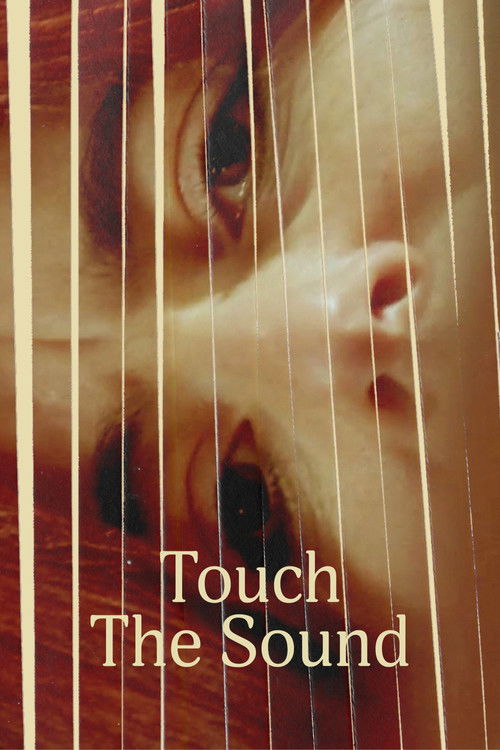
Touch the Sound centers a disabled female artist within a non-Western musical context, avoiding traditional disability narratives. Instead, it focuses on how Evelyn Glennie uses her body to perceive sound in innovative ways. The film's strength lies in its multi-layered approach, blending gender ability to act with global cultural perspectives. By moving beyond Western-centric musical structures, it offers a nuanced view of how rhythm and sound operate across different landscapes. While it lacks explicit focus on LGBTQ+ identities or social activism, it disrupts sensory hierarchies to provide a meaningful and intellectually rigorous viewing experience.
Category Breakdown
The film does not explicitly focus on LGBTQ+ identities or narratives. It does not provide any specific non-straight-centered relationship dynamics or queer-coded subtext.
The film highlights Evelyn Glennie's intellectual and physical mastery of percussion, emphasizing her ability to act and challenging traditional gendered expectations around musical leadership and technical expertise.
The documentary showcases Japanese musical landscapes and practitioners, shifting the focus from Western-centric structures to highlight diverse, global musical traditions.
The film explores a secular spirituality centered on the relationship between the body and rhythm, prioritizing subjective, philosophical experiences over organized religious frameworks.
This film is a profound study of sensory disability that avoids portraying it as a deficit. It presents Evelyn Glennie’s near-deafness as a unique cognitive framework that drives her artistic innovation.
Present on Screen
Limited or Absent
Official Synopsis
A documentary which explores the connections among sound, rhythm, time, and the body by following percussionist Evelyn Glennie, who is nearly deaf.
2009
2018
2015
2022
2006

1999
2018

2005
No reviews yet. Be the first to share your thoughts on this movie!
Use the rating form above to leave a star rating and optional review.