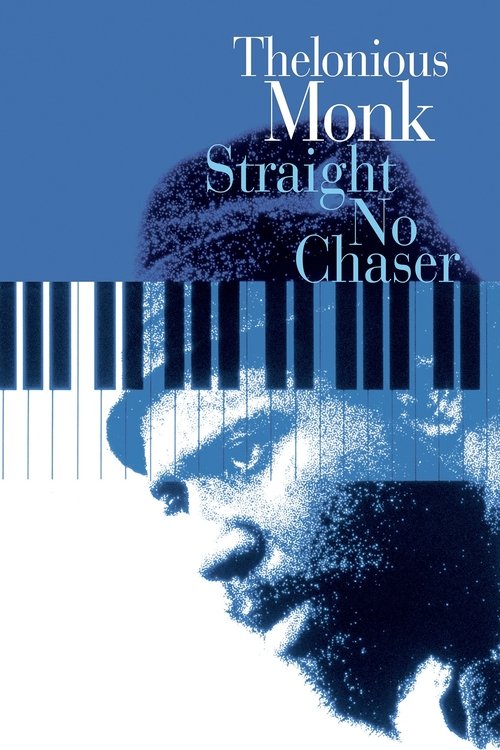
Thelonious Monk: Straight, No Chaser
1988
No user ratings available yet
Representation score: 8.0 out of 10
Representation Score
Good
1986
UnratedDirector
Shirley Clarke
Runtime
78 minutes
Average Rating
No ratings yetNew Showbiz Analysis
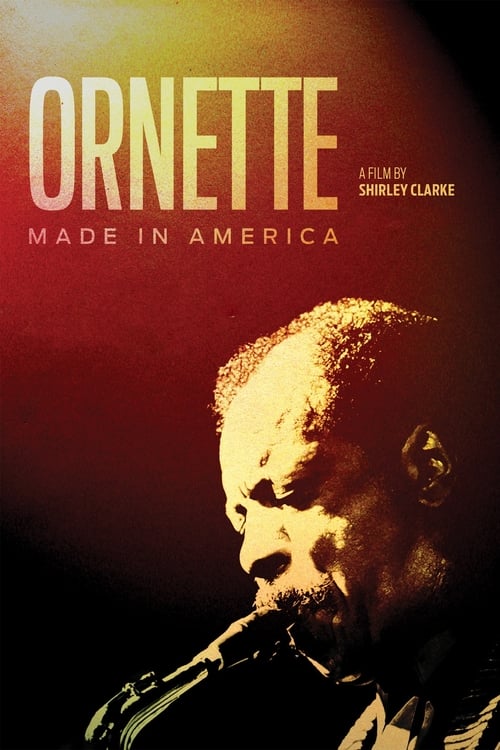
Shirley Clarke’s documentary is a crucial piece that challenges established musical hierarchies. It excels by presenting a Black intellectual perspective that prioritizes improvisation over rigid Western standards. While the film shines in its racial and cultural representation, it falls short in depicting a broad range of gender and LGBTQ+ identities. The focus remains on the singular creative ability to act of Coleman. Overall, the film's strength lies in its disruption of the musical canon, offering a critique of formalist structures and celebrating individual artistic freedom.
Category Breakdown
The film does not explicitly feature LGBTQ+ identities or romantic storylines, but its unconventional structure challenges traditional norms.
The documentary highlights the creative efforts of a male subject. While it avoids reinforcing traditional gender roles, it lacks diverse gender perspectives.
This work deeply explores the Black American experience through Ornette Coleman. It counters Eurocentric musical traditions by emphasizing Black intellectualism and creativity.
The film deconstructs Western musical traditions through Coleman's philosophy, promoting individual artistic freedom and improvisation over institutional norms.
The film does not focus on physical or neurodevelopmental disabilities, but it celebrates atypical cognitive processes that align with neurodivergent ways of thinking.
Present on Screen
Limited or Absent
Official Synopsis
Shirley Clarke's frenetic documentary about multi-talented musician Ornette Coleman.
1988
2018
1980
2022
2011
1999
2017
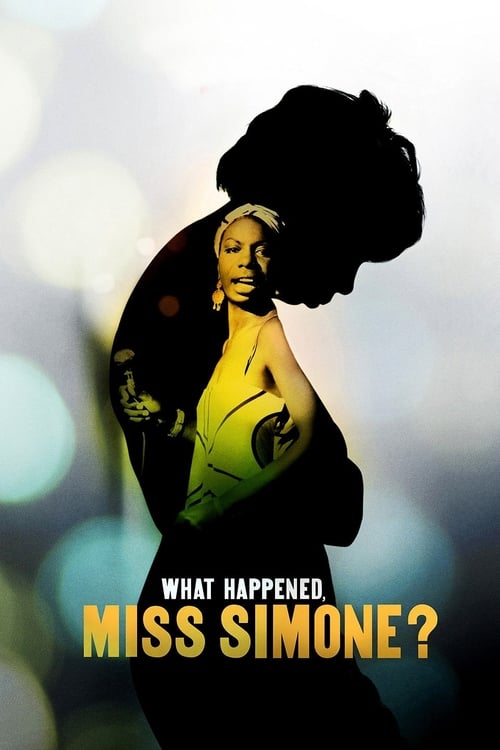
2015
No reviews yet. Be the first to share your thoughts on this movie!
Use the rating form above to leave a star rating and optional review.