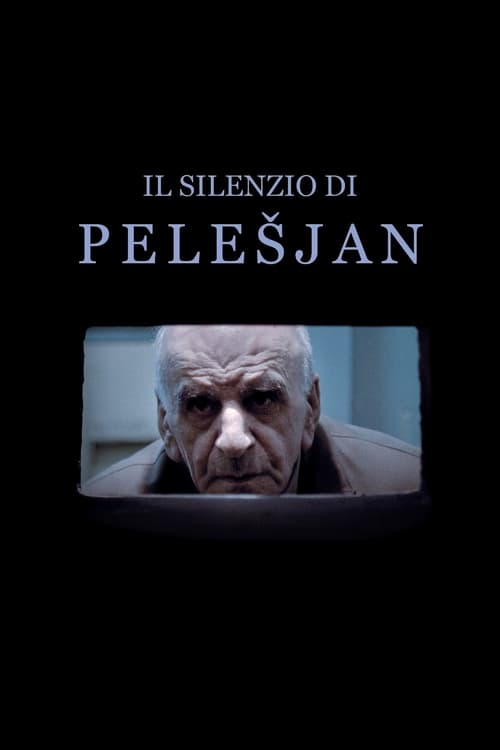
The Silence of Pelešjan
2011
No user ratings available yet
Representation score: 2.7 out of 10
Representation Score
Limited
1969
Director
Artavazd Peleshian
Runtime
24 minutes
Average Rating
No ratings yetNew Showbiz Analysis
Artavazd Peleshian’s *We* is a profound exploration of collective life that shifts the focus from individual heroes to the rhythm of the masses. Using poetic montage and industrial textures, the film moves away from traditional character arcs to highlight the movement of the masses. The film's strength lies in its cultural and ideological stance. It offers a sophisticated critique of Western-centric storytelling by highlighting Armenian identity and socialist ideals, emphasizing the dignity of labor and the beauty of shared human endeavors. However, due to its experimental and non-narrative structure, the film lacks the interpersonal dynamics needed to explore specific identities like LGBTQ+ or disability. It functions more as a philosophical study of labor rather than a character-driven drama.
Category Breakdown
The film doesn't show any romantic or personal relationships between characters. Instead, it focuses on industrial textures and doesn't depict sexual orientation or gender identity.
By focusing on a unified, working mass, the film breaks down traditional gender roles. Although it doesn't directly challenge gender norms, the emphasis on communal movement creates a neutral environment.
This film is a significant part of Armenian cinema, challenging Western storytelling by centering the Armenian experience through a unique, poetic style.
The film highlights the value of labor and collective efforts. It emphasizes the importance of community over individual success.
There are no specific characters with disabilities in the film. Its abstract and experimental nature avoids using disability as a plot element.
Present on Screen
Limited or Absent
Official Synopsis
Monumental picture exploring the identity and fate of the Armenian nation.
2011
1929
1983

2015
1987
2014
1975
2012
No reviews yet. Be the first to share your thoughts on this movie!
Use the rating form above to leave a star rating and optional review.