We
1969
No user ratings available yet
Diversity score: 5.9 out of 10
1975
Director
Artavazd Peleshian
Runtime
29 minutes
Average Rating
No ratings yetSynopsis
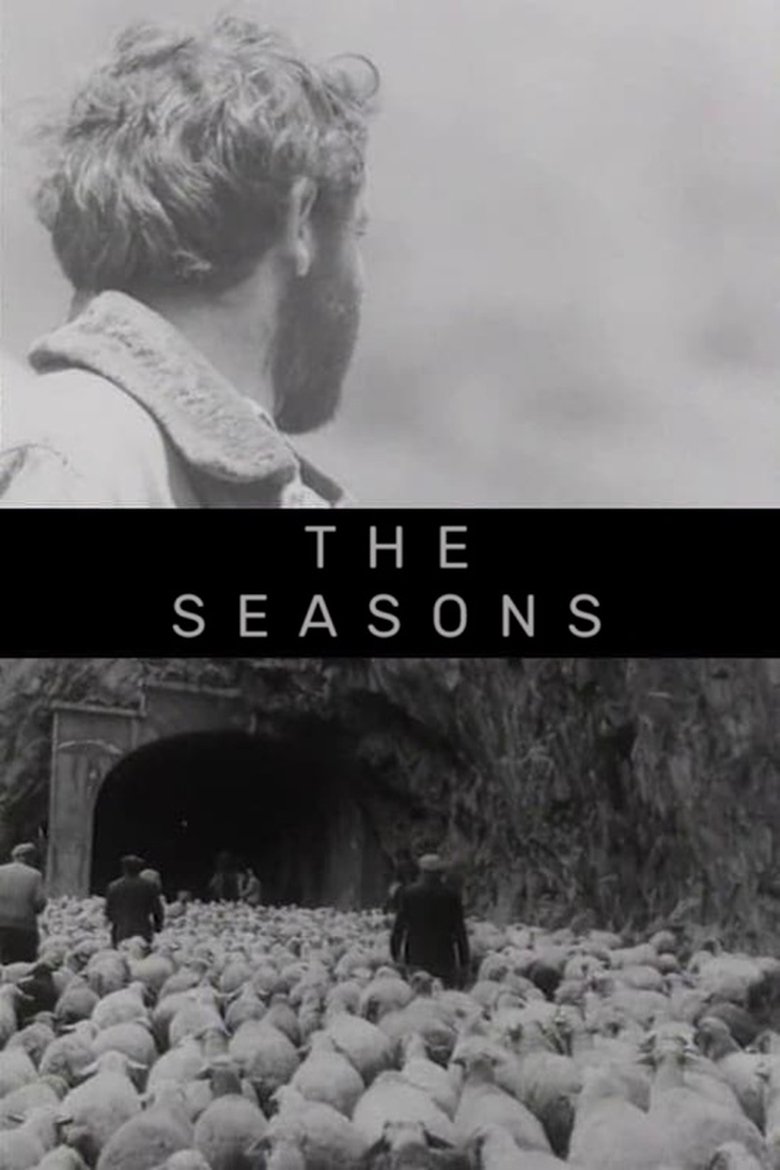
The last collaboration of Artavazd Peleshian and cinematographer Mikhail Vartanov is a film-essay about Armenia's shepherds, about the contradiction and the harmony between man and nature, scored to Vivaldi's Four Seasons.
Overall Score
Fair
Category Breakdown
LGBTQ+ Representation
The film is a non-narrative, experimental documentary focused on the cyclical relationship between humanity and nature. It lacks character-driven dialogue or romantic arcs, resulting in no depiction of LGBTQ+ identities.
Gender Representation
This film-essay avoids traditional gender hierarchies by eschewing character archetypes entirely. While it bypasses patriarchal structures through its elemental focus, it does not actively subvert them via specific character agency.
Racial & Ethnic Diversity
The work functions as a cinematic reclamation of Armenian identity by centering a specific ethnic geography. It provides cultural specificity that challenges Western-centric documentary styles through its focus on local shepherds.
Religious & Cultural Diversity
The film emphasizes harmony between man and nature, critiquing industrial modernity. Using Vivaldi to score Armenian pastoral life creates a tension between Western classical tradition and organic, regional rhythms.
Disability Representation
The film focuses on natural textures and seasonal transitions. There is no discernible depiction of physical or neurodivergent characters to evaluate.
Strengths
Areas for Improvement
AI Analysis
Peleshian’s work operates outside traditional identity politics due to its experimental, non-verbal nature. It prioritizes poetic montage over linear, character-driven plots, which disrupts the standard cinematic grammar of its era. The film's significance lies in its cultural specificity and its refusal to adhere to anthropocentric, institution-focused narratives. It centers a non-Western geography, offering a profound exploration of Armenian landscapes. While the film lacks specific representation for LGBTQ+ or disability identities, it succeeds in challenging Western-centric documentary hegemony by focusing on marginalized, land-based existence.
1969
1983
1970
1994

1964

1933
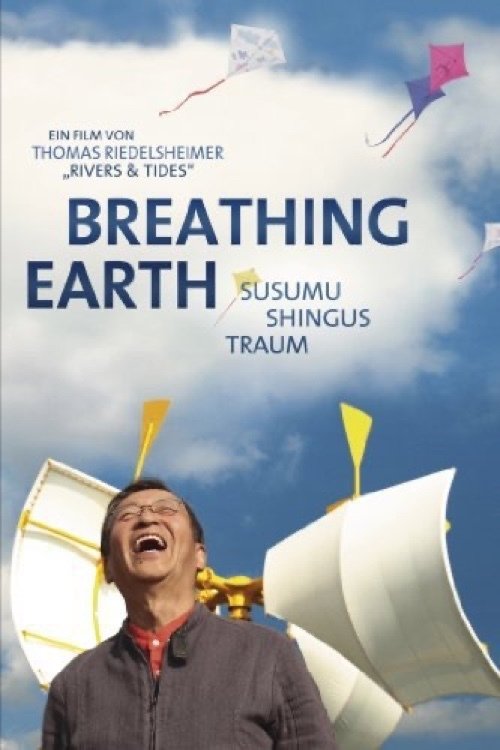
2012
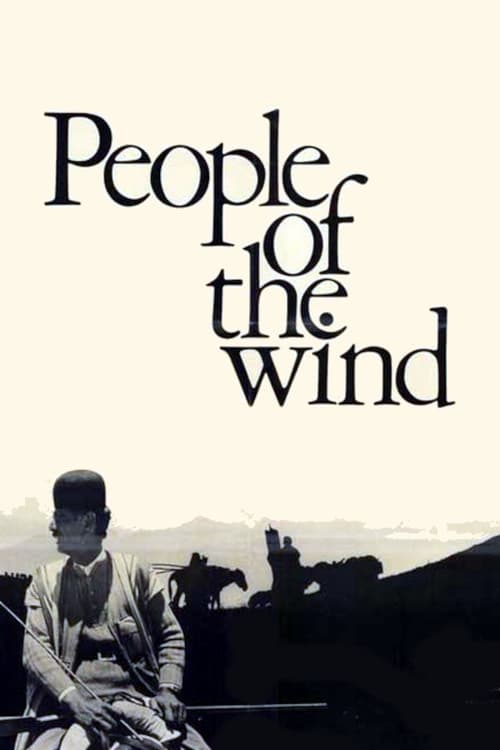
1976
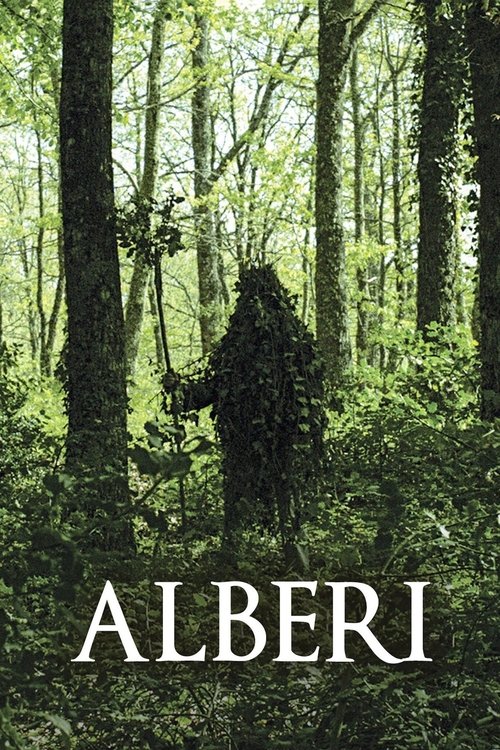
2013
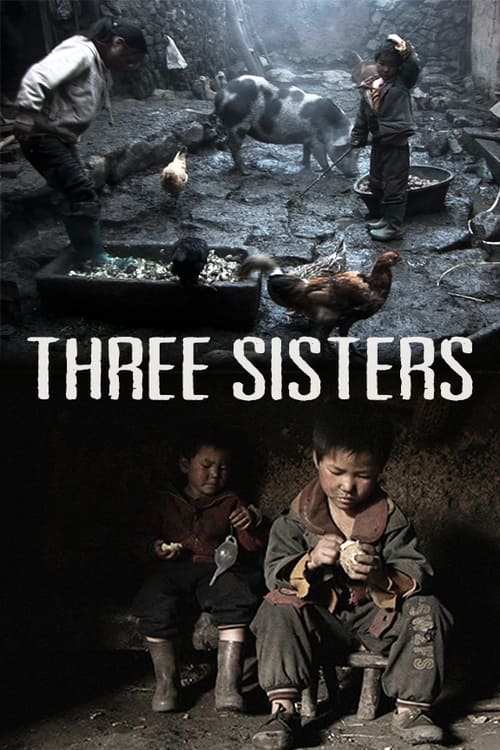
2012
1955
2020
No reviews yet. Be the first to share your thoughts on this movie!
Use the rating form above to leave a star rating and optional review.