Our Century
1983
No user ratings available yet
Diversity score: 5.7 out of 10
1966
Director
Artavazd Peleshian
Runtime
10 minutes
Average Rating
No ratings yetSynopsis
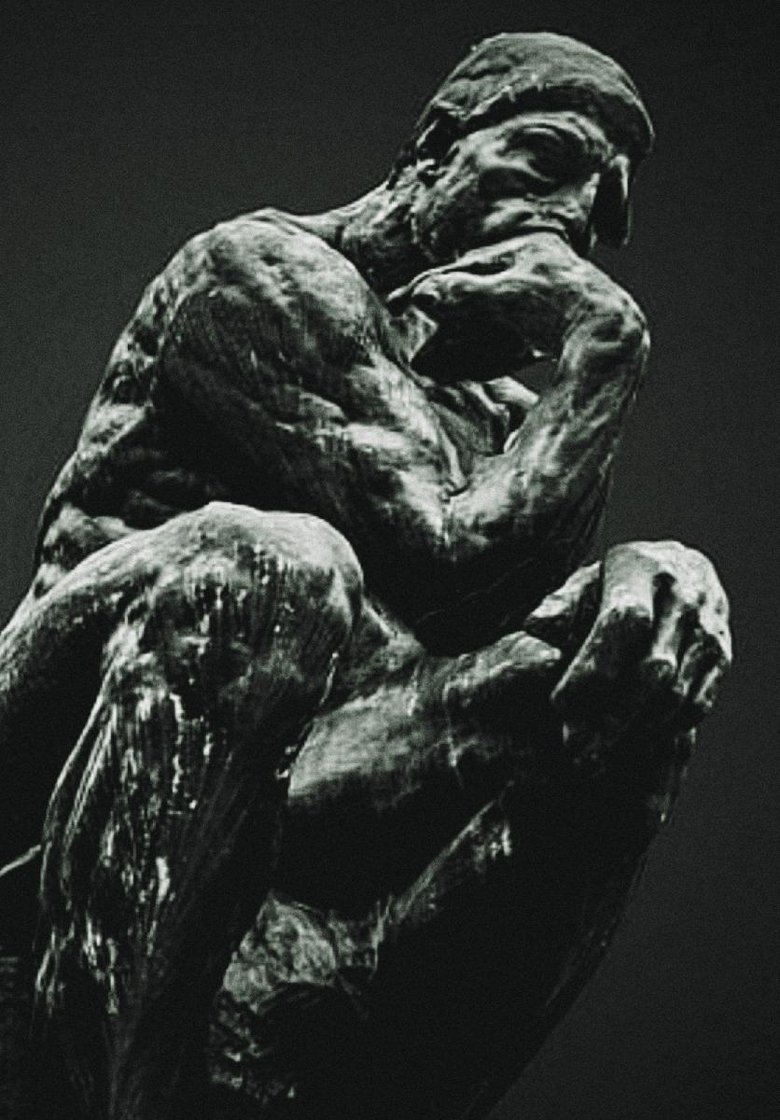
This is the subject of ongoing discovery of the beauty of the world, that man makes in his life and in his work, which is being developed as part of a big city, presented during a day's work. This film starts and ends with the rotating image of the sculpture of Rodin the Thinker; this famous sculpture has long since become the symbol of the unchanging expression of human thought.
Overall Score
Good
Category Breakdown
LGBTQ+ Representation
The film is a non-narrative documentary focused on the rhythmic essence of human labor and nature. It contains no evidence of LGBTQ+ characters or explorations of queer intimacy.
Gender Representation
Men and women are integrated into the shared, rhythmic cycles of agricultural and domestic life. This depiction avoids hyper-focusing on a single dominant gender or relegating women to purely passive roles.
Racial & Ethnic Diversity
The film excels in its authentic representation of Armenian identity. By centering Armenian peasants within their specific landscape, it provides a deep, non-tokenized look at a specific ethnic community.
Religious & Cultural Diversity
The film celebrates collective labor and a connection to the earth, prioritizing communal cooperation over competition. A secular, humanistic focus reinforces the shared experience of existence.
Disability Representation
There is no significant depiction of visible or invisible disabilities. The film focuses on the collective movement of able-bodied workers engaged in physical labor.
Strengths
Areas for Improvement
AI Analysis
Artavazd Peleshian’s documentary is a masterclass in poetic cinema, utilizing avant-garde montage to celebrate the dignity of communal labor. Its primary strength lies in its authentic centering of Armenian ethnic identity and its rejection of individualistic, Western-style hero narratives. By focusing on the rhythmic connection between people and the land, the film presents a profound, non-tokenized view of a specific cultural community. It successfully disrupts traditional cinematic hierarchies by emphasizing collective human agency over individualistic social models. However, the film lacks engagement with contemporary identity-based politics. It does not explore LGBTQ+ identities or provide meaningful representation regarding disability, remaining focused strictly on the physical rhythms of able-bodied communal work.
1983
1969
1994

2005

1959
1968

1968
1964
1980
2011
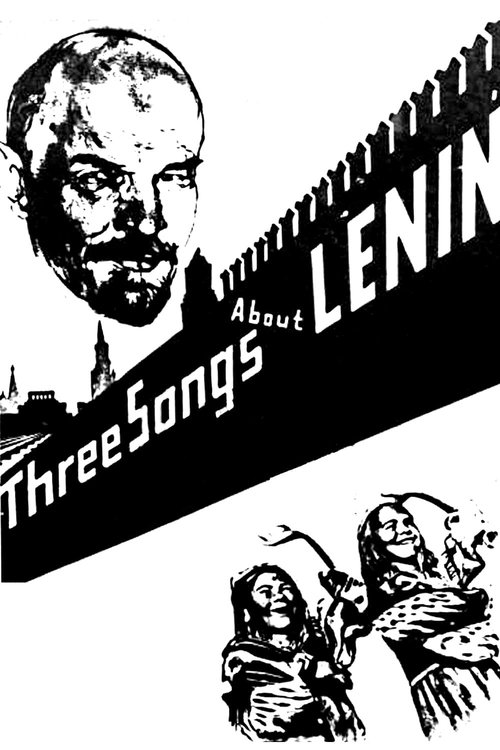
1934
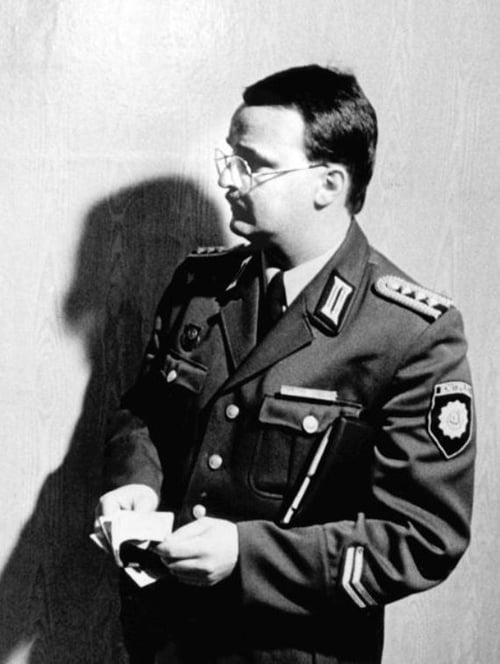
1985
No reviews yet. Be the first to share your thoughts on this movie!
Use the rating form above to leave a star rating and optional review.