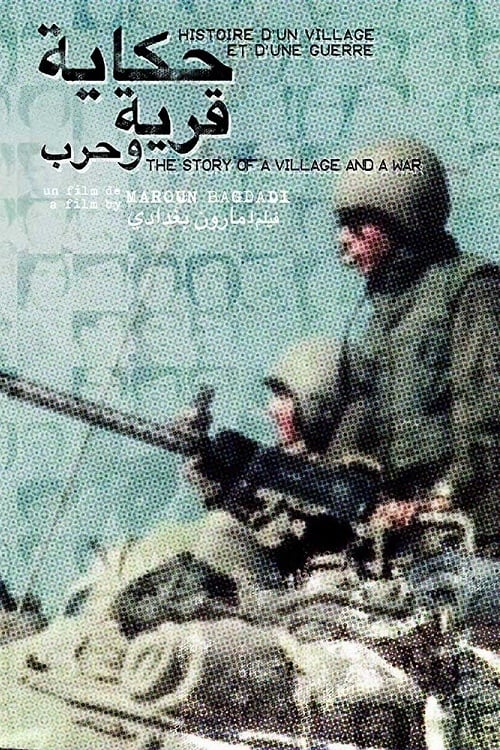
The Story of a Village and a War
1979
No user ratings available yet
Representation score: 4.4 out of 10
Representation Score
Limited
1979
TV-MADirector
Maroun Bagdadi
Runtime
74 minutes
Average Rating
No ratings yetNew Showbiz Analysis
Maroun Bagdadi’s documentary provides a raw, decolonial perspective on the 1978 Israeli invasion of Lebanon. By avoiding Western-centric narratives, it offers an authentic portrayal of identity during systemic collapse. However, the film does not meet contemporary standards for LGBTQ+ representation or disability narratives. Gender roles reflect the male-dominated paramilitary context of the era. The film's strength lies in its unfiltered exploration of religion, politics, and ethnicity during wartime.
Category Breakdown
The film does not include any LGBTQ+ characters or narratives, focusing instead on the collective struggles and sectarian tensions of the Lebanese Civil War.
The narrative centers around male-driven political and paramilitary actions. Women are present but their roles are shaped by the constraints of the time period.
The film features a predominantly Lebanese cast, offering an authentic representation of the region's complex sectarian makeup.
The film critically examines the lasting impacts of historical colonization and highlights localized power structures in the struggle against external imperial pressures.
There are no characters with visible or invisible disabilities that serve as central narrative devices in the film.
Present on Screen
Limited or Absent
Official Synopsis
After the 1978 Israeli invasion of Lebanon, children try to sing the national anthem as citizens search for hope in the war-torn South.
1979
2011
1978
2024
1983
2008
1983
2023
No reviews yet. Be the first to share your thoughts on this movie!
Use the rating form above to leave a star rating and optional review.