
C.C. and Company
1970
No user ratings available yet
Representation score: 4.4 out of 10
Representation Score
Fair
1966
Not RatedDirector
Seijun Suzuki
Runtime
86 minutes
Average Rating
No ratings yetNew Showbiz Analysis
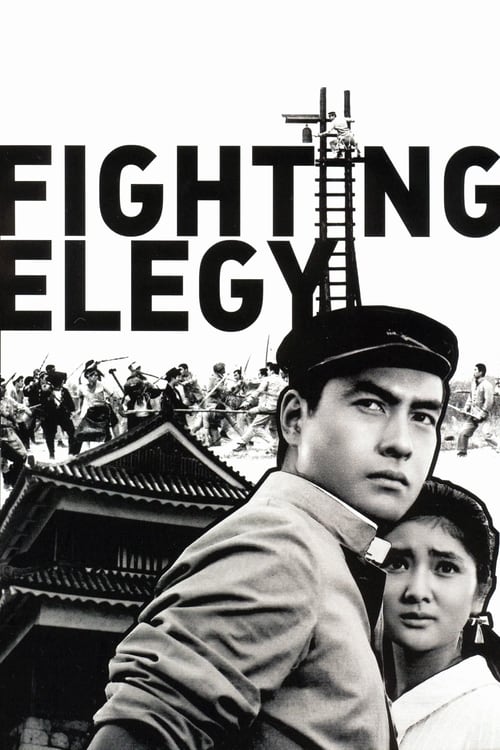
Seijun Suzuki’s film critiques traditional institutions and social stability. It transitions from domestic life to radical politics, using the protagonist's growth to challenge established orders such as religion and social structures. Despite lacking modern identity-based representation, the film excels in its thematic rebellion, exploring the tension between tradition and radical political change. Ultimately, it is part of the Japanese New Wave movement, emphasizing stylistic disruption and the dismantling of institutional power over conventional storytelling.
Category Breakdown
The film doesn't include explicit LGBTQ+ characters or non-straight relationships. The main romantic tension revolves around Kiroku and Michiko's relationship.
The story mainly focuses on the male protagonist's journey, with Michiko playing a supportive role emotionally.
The film provides a detailed look at Japanese culture by examining Western influences. It highlights the interplay between different cultural elements within Japan.
The story engages deeply with systemic critiques, tracing the protagonist's path from a religious household to radical political involvement and anti-establishment sentiments.
There is no evidence regarding the portrayal of physical or neurodivergent disabilities in the film.
Present on Screen
Limited or Absent
Official Synopsis
Kiroku boards with a Roman Catholic family and falls for the daughter Michiko. He ignores his feelings, joins a gang, gets in fights and, eventually, becomes involved with the radical Kita Ikki group.
1970

1964

1970

1964
1975
1961

1965
1964
No reviews yet. Be the first to share your thoughts on this movie!
Use the rating form above to leave a star rating and optional review.