
Why Don't You Play in Hell?
2013
No user ratings available yet
Representation score: 7.0 out of 10
Representation Score
Fair
1985
Director
Seijun Suzuki
Runtime
130 minutes
Average Rating
No ratings yetNew Showbiz Analysis
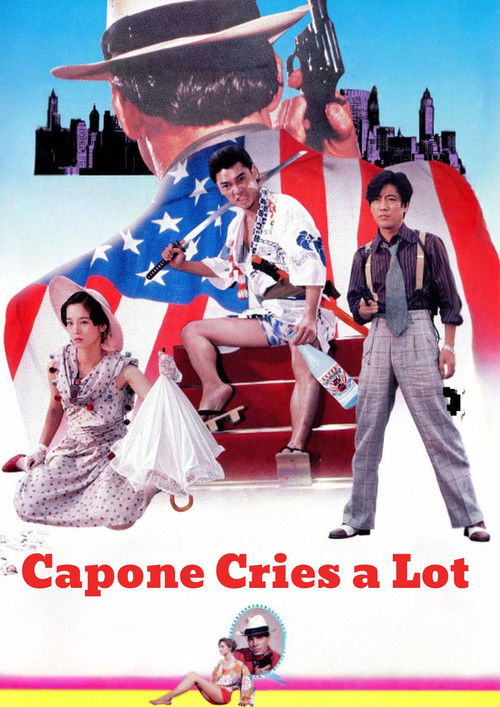
Capone Cries a Lot examines the immigrant experience and the pursuit of the American Dream from a non-Western perspective. By focusing on a Japanese performer in a Western setting, the film critiques the cultural dominance of the West. The film effectively uses traditional Japanese art forms to challenge the pressures of assimilation. However, it lacks specific representation of LGBTQ+ identities or disabilities.
Category Breakdown
The film focuses on the heterosexual marriage of Umiemon and his wife. There are no clear representations of non-straight or non-cisgender identities.
The story centers around a traveling couple, examining both domestic and professional roles. The wife's role likely offers a contrasting viewpoint to the husband's goals.
Placing a Japanese protagonist in the United States disrupts a predominantly white perspective. The film delves into the complexities of being an immigrant in a foreign country.
Through the use of naniwa-bushi singing, the film critiques Western cultural dominance and capitalist motives. This highlights the tension between traditional Japanese culture and American society.
There is no depiction of physical or cognitive disabilities in the film.
Present on Screen
Limited or Absent
Official Synopsis
Umiemon is a naniwa-bushi singer who travels with his wife to the United States in hopes of achieving fame and fortune.
2013

1990
1932
2018
1968
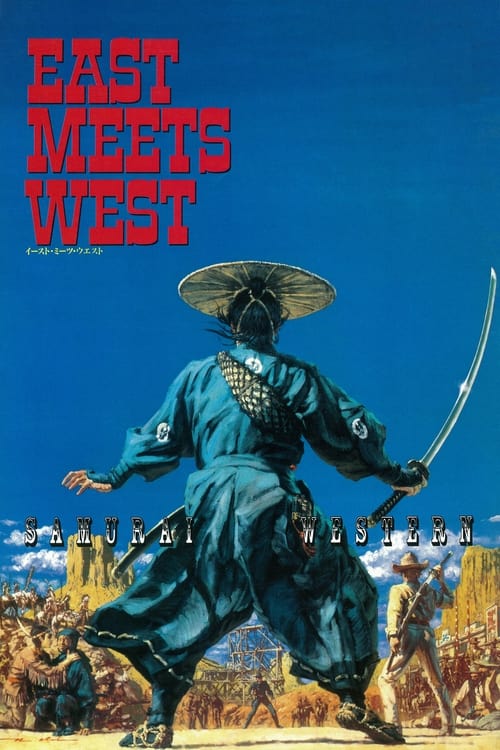
1995
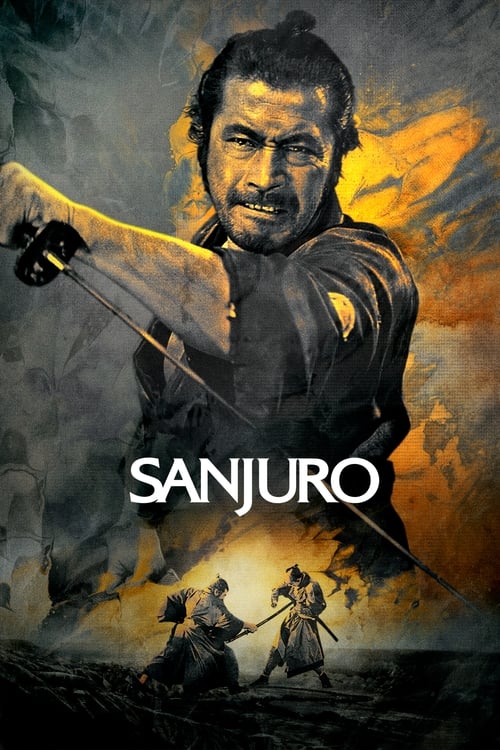
1962
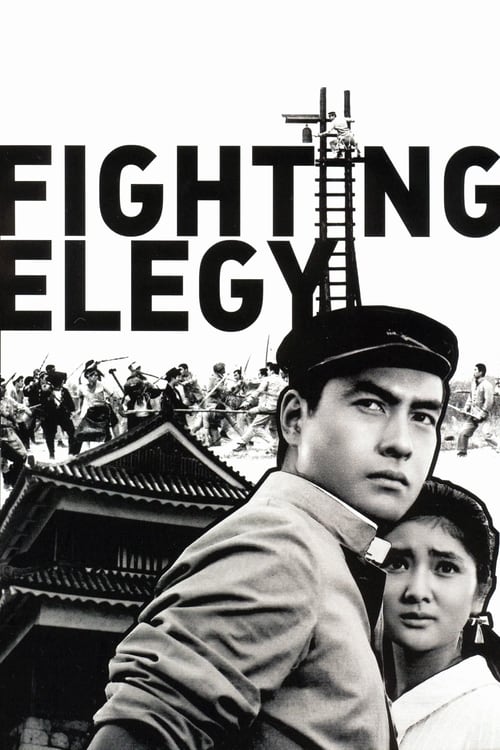
1966
No reviews yet. Be the first to share your thoughts on this movie!
Use the rating form above to leave a star rating and optional review.