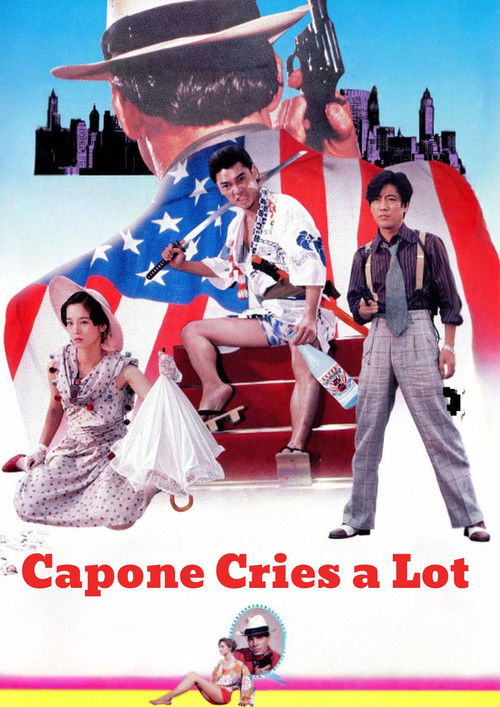
Capone Cries a Lot
1985
No user ratings available yet
Representation score: 5.9 out of 10
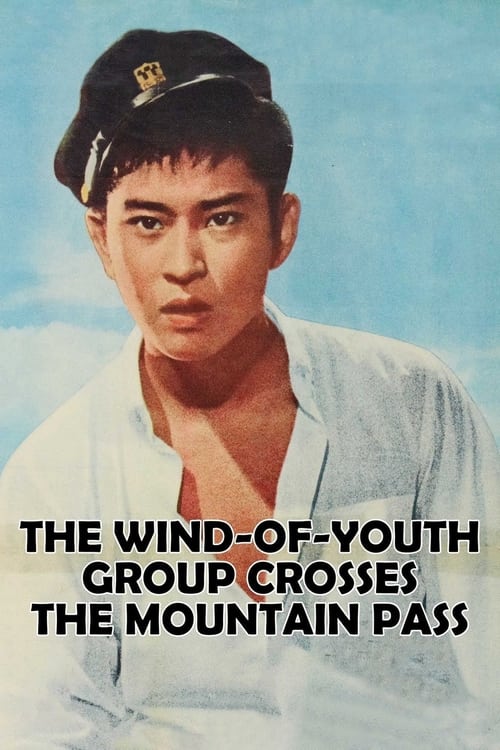
Representation Score
Limited
1961
Director
Seijun Suzuki
Runtime
85 minutes
Average Rating
No ratings yetNew Showbiz Analysis
Seijun Suzuki’s early work functions as a standard genre piece that adheres to the social and demographic norms of 1961 Japan. While Suzuki is known for stylistic experimentation, the narrative structure here appears conventional. The film lacks explicit complexity related to multiple aspects of identity or systemic critiques. It serves more as a cultural artifact of its era, focusing on localized themes rather than progressive representation. Ultimately, the production maintains a relatively homogeneous demographic, reflecting the era's typical approach to storytelling and character dynamics.
Category Breakdown
The film does not include any explicit LGBTQ+ characters or narratives. The story centers around a university student and a traveling troupe.
The narrative focuses on a male protagonist named Shintaro. While the magic troupe likely includes female performers, their roles and influence are not clearly defined.
As a 1961 Japanese production, the cast and setting are predominantly Japanese. It provides a localized perspective rather than a globally diverse one.
The film explores the tension between modern academia and traditional itinerant lifestyles. This juxtaposition highlights the friction between modern institutions and folk traditions.
There is no information regarding the inclusion of characters with physical or neurodivergent disabilities in this work.
Present on Screen
Limited or Absent
Official Synopsis
On summer vacation, university student Shintaro gets involved with a magic troupe as they travel from festival to festival.
1985
1962

2005

2013
2016

2005
1966

1998
No reviews yet. Be the first to share your thoughts on this movie!
Use the rating form above to leave a star rating and optional review.