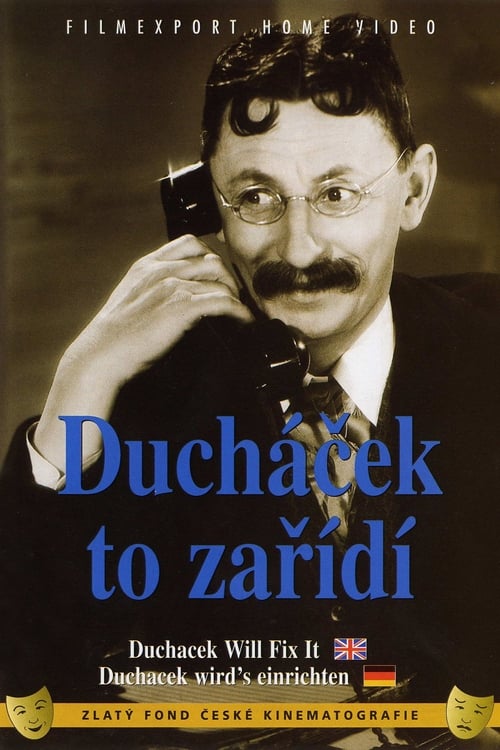
Duchacek Will Fix It
1938
No user ratings available yet
Representation score: 1.8 out of 10
Representation Score
Limited
1938
Director
Vladimír Slavínský
Average Rating
No ratings yetNew Showbiz Analysis
The film is a period comedy that gains its strength from subverting gender expectations. By focusing on a woman successfully navigating a male-dominated estate through identity deception, it offers a progressive perspective on female empowerment for its time. However, the production is constrained by the demographic homogeneity of 1938 Czechoslovakia. The absence of diverse racial and LGBTQ+ representation limits the scope of diversity to class and gender deception. Ultimately, while the film challenges patriarchal structures, it remains rooted in its specific historical and geographic context.
Category Breakdown
The film does not explicitly depict LGBTQ+ identities. The main plot revolves around a gender-based deception rather than exploring queer identity or the assumption that everyone is straight.
Ada Bártů challenges traditional gender roles by adopting a male identity to secure her inheritance. Her intelligence and determination drive the plot, undermining the landlord's patriarchal authority.
Given its 1938 Czech context, the film portrays a largely homogeneous society. The story centers on local European family and class dynamics.
The narrative critiques strict social and familial norms by portraying the traditional family as dysfunctional. It emphasizes individual ability to act over established cultural norms.
There are no visible or invisible disabilities that play a central role in the story.
Present on Screen
Limited or Absent
Official Synopsis
Landlord Orlický has had three failed marriages. This experience has made him a sworn enemy of all women. Only old bachelors can work on his estate, and he forces his nephew and universal heir, Ríša, to the same fate. One day, however, the uncle discovers that Ríša is secretly seeing a girl, becomes angry, and decides to remove him from his will. He has a more suitable heir in reserve: the cabaret dancer and singer Ada Bártů, a descendant of his sister, who once married against her parents' will. She has not had any contact with her relatives for years, so the old man has no idea that Ada's supposed nephew is actually his energetic and enterprising niece...
1938
1938
1940
1939

1935
1937
1938

1932
No reviews yet. Be the first to share your thoughts on this movie!
Use the rating form above to leave a star rating and optional review.