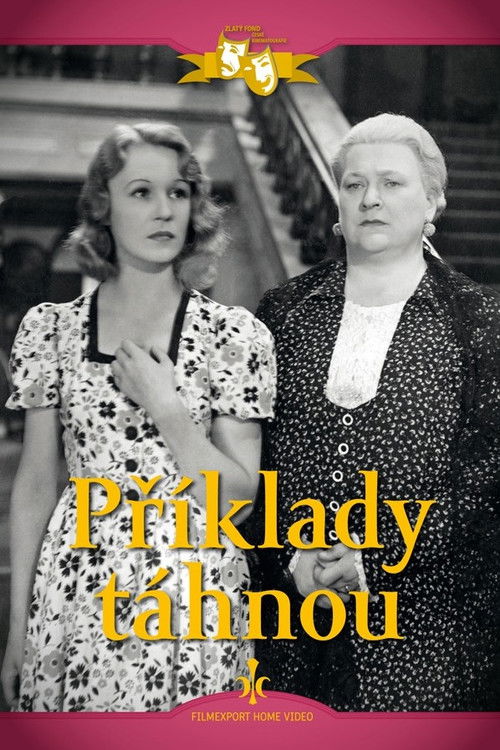
Příklady táhnou
1939
No user ratings available yet
Representation score: 1.2 out of 10
Representation Score
Minimal
1936
Director
Vladimír Slavínský
Runtime
0 minutes
Average Rating
No ratings yetNew Showbiz Analysis
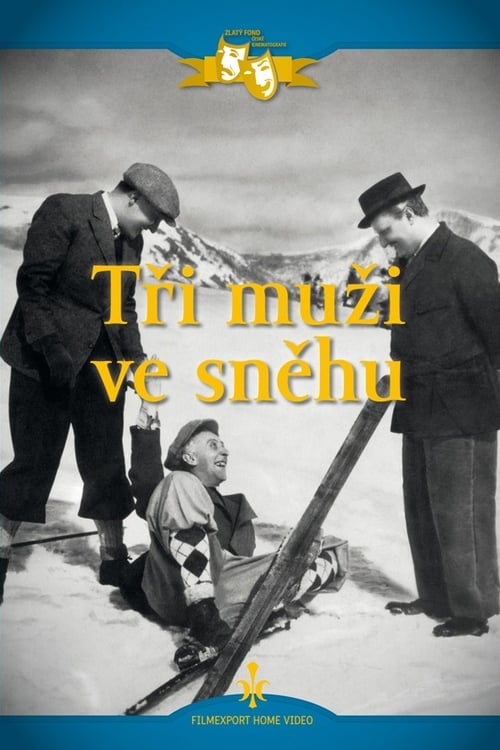
Three Men in the Snow primarily functions as a class-based situational comedy set in the 1930s. The narrative relies on the comedic inversion of social status between a doctor and a wealthy factory owner to drive the plot. While the film lacks complexity in demographic diversity or varied identities, it offers a subtle critique of capitalist hierarchies. By showing a wealthy man struggling in substandard conditions while a poor man receives honors, the film mocks the arbitrary nature of social prestige. Ultimately, the work reflects the era's priorities, emphasizing traditional gender roles and ethnic homogeneity over contemporary standards of representation.
Category Breakdown
The film centers on a traditional romantic storyline involving the factory owner's daughter. There is no depiction of non-straight or non-cisgender identities or intimate relationships between people of the same sex.
The story revolves around male characters and their interactions. The factory owner's daughter drives plot complications, but her role is defined by her relationships with the men.
Reflecting the demographics of 1936 Central Europe, the cast and setting appear ethnically uniform. The narrative does not address racial identity as a factor of power.
The film uses a false identity cliché to critique class-based deference. It highlights how social status affects treatment within institutional settings like the mountain hotel.
There is no indication that the film addresses physical, sensory, or neurodivergent disabilities.
Present on Screen
Limited or Absent
Official Synopsis
Young doctor Hájek has been looking for a job for a long time in vain. But luck has smiled on him a little - he has won a competition for the best advertising slogan, which was held by the factory owner Bárta. The prize is a stay in a luxurious mountain hotel. At the same time, Bárta is also leaving for the same winter resort, but on a whim he decides to use a false name and pretend to be a poor man. It is therefore not surprising that the hotel staff gets confused when accommodating the two guests. The poor young man receives all sorts of honors and favors, the factory owner huddles in a small room without heating. In addition, Bárta's cute daughter appears on the scene, and all sorts of complications are not long in coming.
1939
1937
1938
1936
1932

2020
1983
1953
No reviews yet. Be the first to share your thoughts on this movie!
Use the rating form above to leave a star rating and optional review.